
Community Association Management Services in
North Carolina & South Carolina
Community associations run smoother when volunteer Boards have reliable operational support, clear communication systems, and consistent administrative help. In practice, that balance is rarely simple.
Every neighborhood is different. Some Boards are battling years of deferred maintenance, surprise vendor cost spikes, frustrated homeowners, or governance that slowly drifted off track. Others simply need steady operational support to help keep things organized before problems begin escalating.
At Association Management Group (AMG), we assist condominium associations, homeowners associations, townhome communities, and planned developments across North Carolina and South Carolina with the day-to-day operational coordination that supports consistent community operations.
HOA Management in the Carolinas Since 1985
Since 1985, AMG has worked alongside Boards throughout the region. We’ve seen how rising costs, aging infrastructure, shifting homeowner expectations, and volunteer burnout can quietly wear down even well-intentioned communities.
We once helped a neighborhood where Board members were drowning in individual emails and unauthorized vendor calls because formal communication channels had eroded over time. Maintenance requests fell through the cracks. Tension rose. After reorganizing reporting systems, centralizing communication, and clarifying procedures, the constant friction began to ease. That kind of slow-building operational chaos is common and often preventable when communities have organized systems and consistent operational support in place.
That’s the kind of practical, neighborhood-level experience we bring to every association we serve.
Local HOA Management Where You Need It
AMG serves communities throughout North Carolina and South Carolina, with strong presence and local knowledge in the following cities and their surrounding metro areas:





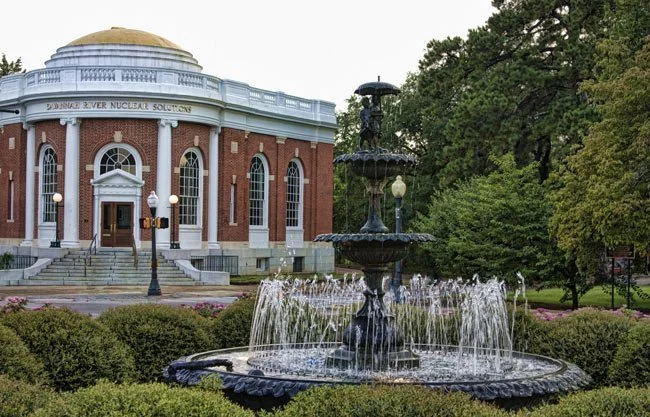

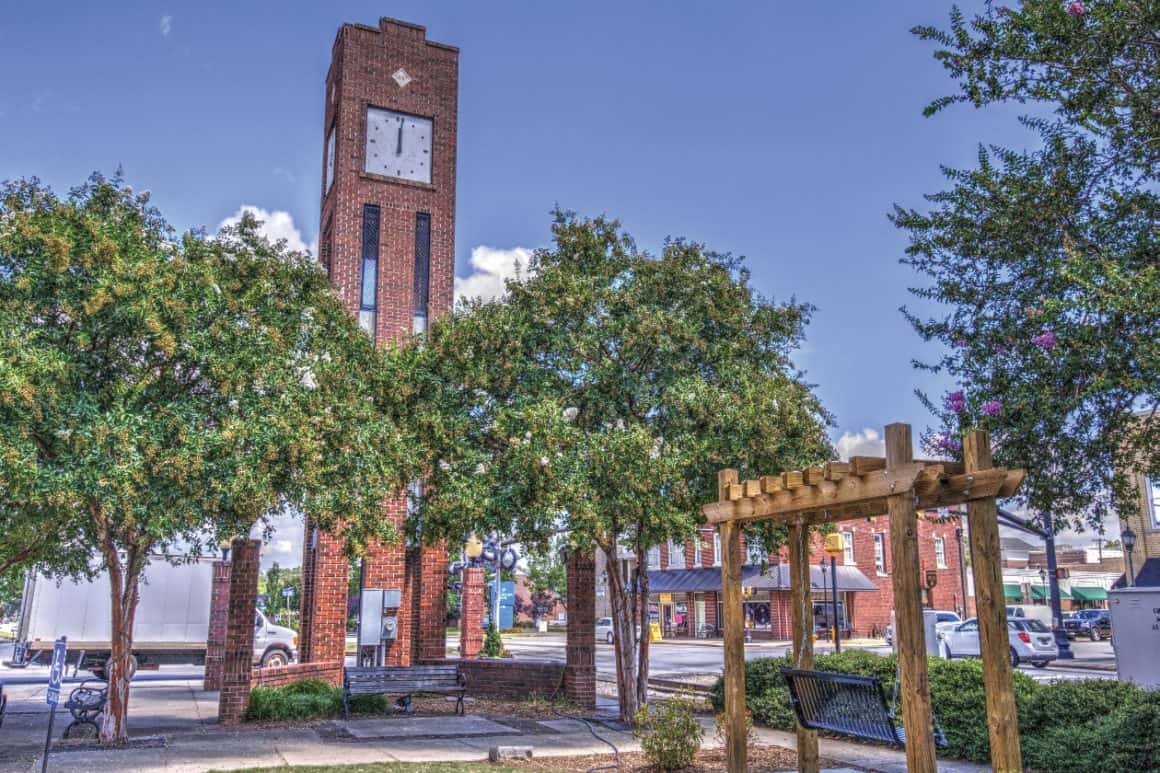
Local experience matters in community association management. Regional vendor networks, weather patterns, infrastructure challenges, and the practical realities affecting Carolina neighborhoods all influence how smoothly an association operates over time. Our teams understand those realities firsthand.
Tailored HOA Management Services for Carolina Communities
No two associations are alike. A high-rise condominium in Charlotte faces different realities than a sprawling townhome community in Greensboro or a suburban neighborhood outside Greenville.
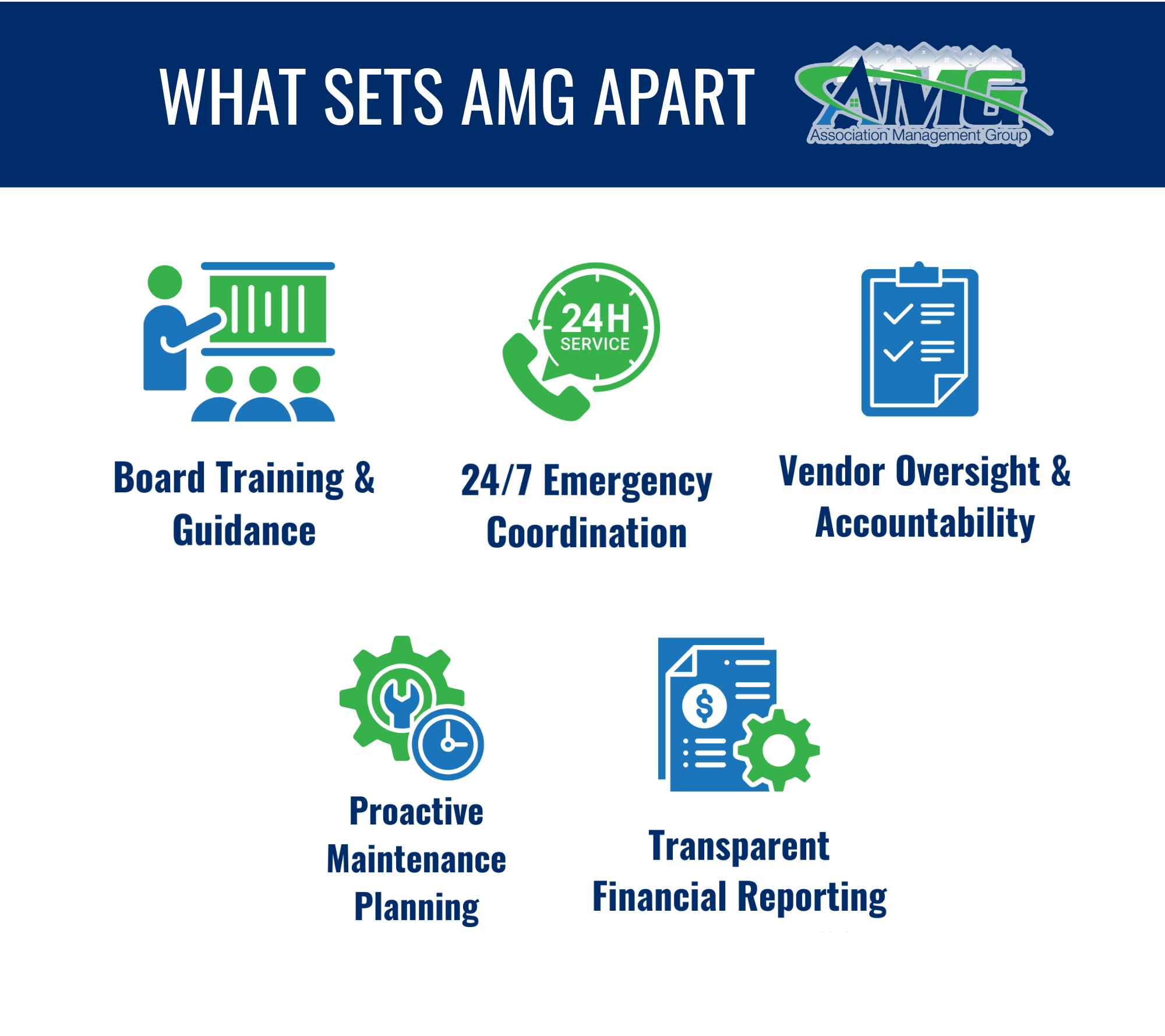
We assist Boards with operational needs that typically include:
HOA financial administration and budgeting support
vendor coordination and project coordination
maintenance planning and community site visits
reserve study coordination
homeowner communication systems
Board meeting preparation and documentation
covenant administration support
amenity and common area operations
long-term planning coordination
Our role is supportive and administrative in nature. We provide organized operational assistance consistent with governing documents, Board direction, and each association’s management agreement.
Supporting Long-Term Community Operations
Well-run associations rarely operate smoothly because problems never occur. More often, successful communities have stronger systems for communication, maintenance planning, financial organization, and operational coordination when challenges do arise.
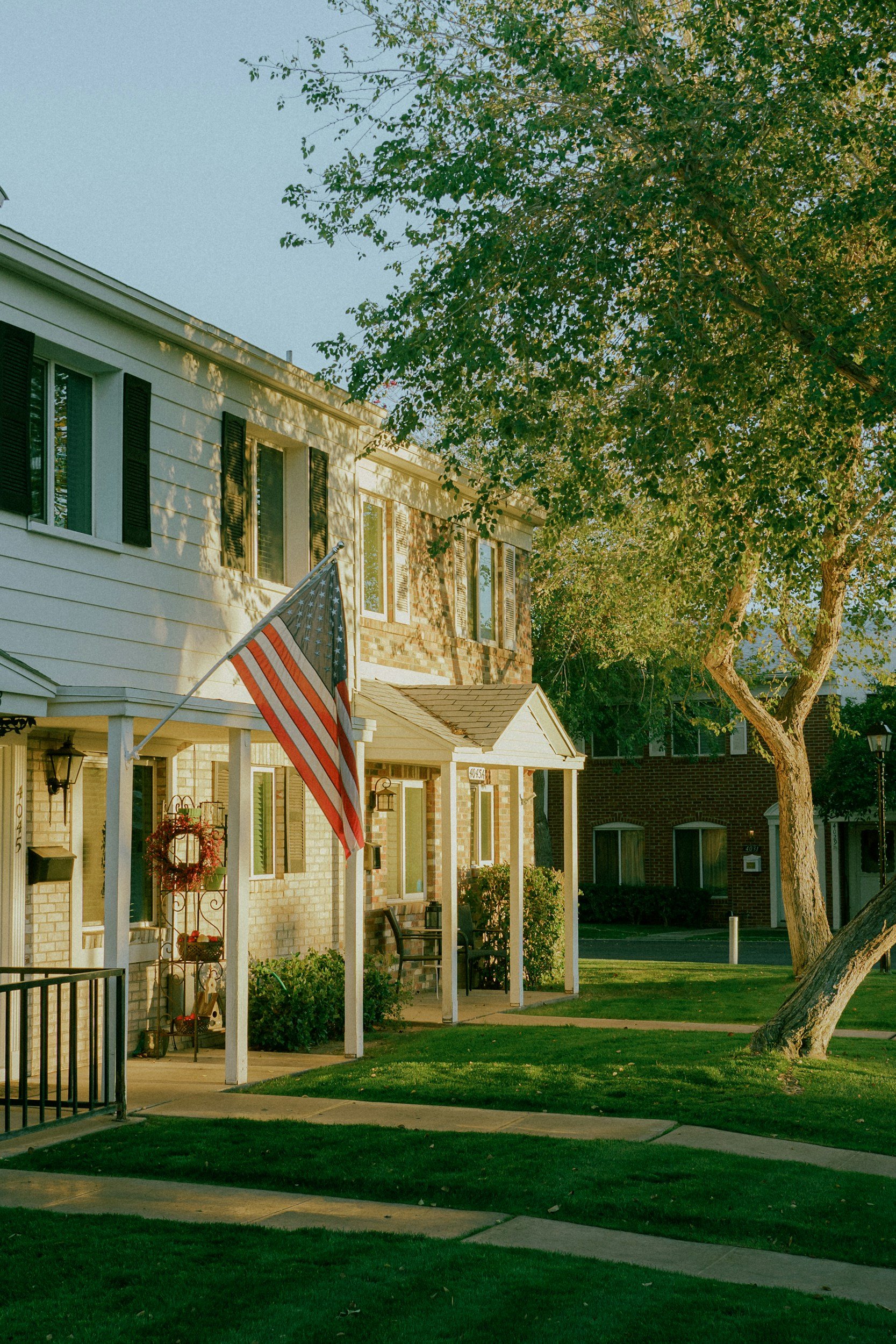
Experienced HOA management helps communities:
organize operational priorities
improve homeowner communication
coordinate vendors more consistently
support reserve planning efforts
reduce avoidable operational disruption
maintain more consistent community standards
At the same time, no management company controls every outcome within a community association. Board decisions, governing documents, owner participation, reserve funding, vendor performance, and legal requirements all influence community operations over time.
Ready to Strengthen Your Community’s Operations?
If your Board is looking for experienced operational support from a locally rooted team serving Carolina communities since 1985, we invite you to connect with AMG.
Explore real-world HOA governance insight in Paul Mengert’s Lessons from the Neighborhood series:
Learn more about AMG and our history serving communities throughout the Carolinas:
AMG provides community association management services consistent with each association’s governing documents, Board direction, management agreement, and applicable operational procedures.
Frequently Asked Questions
-
An HOA management company assists community associations with operational coordination, homeowner communication, financial administration, vendor coordination, and maintenance planning. Management responsibilities vary depending on the association’s governing documents and management agreement. Most management companies support Boards in organizing day-to-day community operations rather than independently governing the association.
-
Community association management typically includes administrative coordination involving budgeting, maintenance planning, vendor communication, Board meeting support, reserve planning coordination, and homeowner communication. Services vary between communities depending on operational needs and Board direction. Condominium associations, townhome communities, and homeowners associations often require different levels of management support.
-
A reserve study is a long-term financial planning tool used to estimate future repair and replacement costs for major common area components. Reserve studies help communities prepare financially for expenses involving roofs, pavement, amenities, stormwater systems, and other shared assets. Most associations use reserve studies to support budgeting and long-term capital planning.
-
Experienced HOA management helps communities organize maintenance priorities, coordinate vendors, improve communication, and support long-term planning. Many maintenance problems become more expensive when smaller issues are repeatedly delayed or poorly coordinated. Organized operational processes often help communities respond more consistently to maintenance concerns over time.
-
HOA financial management generally includes budgeting support, assessment tracking, reserve planning coordination, financial reporting, and operational expense administration. Boards remain responsible for reviewing and approving financial decisions for the association. Financial management processes vary depending on the size and complexity of the community.
-
Management companies typically assist Boards with administrative coordination related to community standards and governing document procedures. Enforcement authority generally remains with the association and its Board, subject to governing documents and applicable law. Communities often work with legal counsel when more complex enforcement issues arise.
-
HOA management focuses on supporting the operations of a community association and its shared common areas, governance processes, and administrative responsibilities. Traditional property management often involves managing rental properties for individual owners or investors. Condominium associations and homeowners associations usually require a different operational structure than rental properties.
-
HOA management companies often assist with obtaining proposals, organizing communication with contractors, scheduling work, documenting operational concerns, and coordinating maintenance planning discussions. Vendor selection and project approval decisions generally remain with the Board. Organized vendor coordination can help communities improve consistency and communication throughout projects.
-
Many HOA management companies assist communities with reserve study coordination, budgeting discussions, maintenance planning support, and long-term operational organization. Reserve specialists, engineers, accountants, and other advisors may also participate in the planning process depending on the community’s needs. Boards should combine management input with professional guidance and their own judgment when making financial decisions.
-
Operational coordination generally refers to organizing the day-to-day administrative processes involved in running a community association. This may include communication support, maintenance coordination, meeting preparation, vendor interaction, financial administration, and documentation processes. Effective operational coordination often helps communities improve consistency, responsiveness, and long-term planning.