
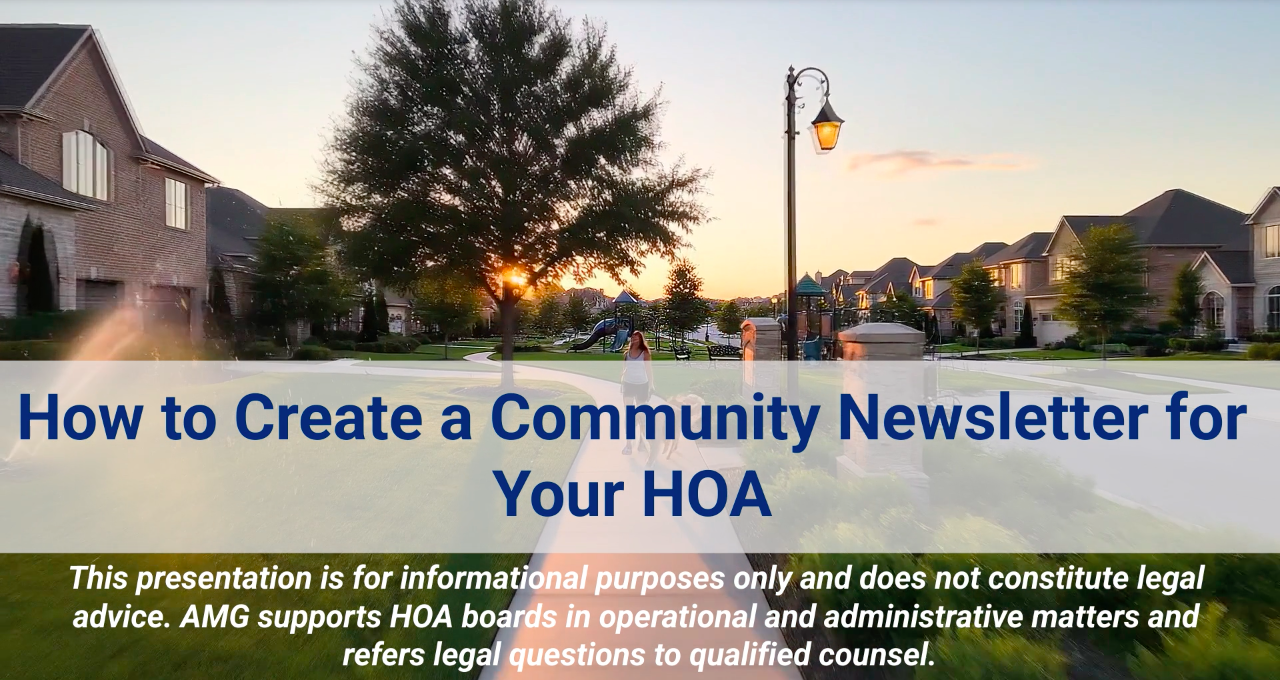
How to Create a Community Newsletter for Your HOA
“When residents know what’s happening, they feel more connected — and more invested.”
A well-crafted community newsletter keeps homeowners informed, highlights positive news, and strengthens transparency between the board and residents. It creates a consistent, reliable source of information that residents can trust.
Whether digital or printed, newsletters give your HOA a voice — one that reinforces shared values, builds familiarity with leadership, and encourages long-term engagement
Define the Purpose and Audience

Before writing a word, clarify why you’re creating the newsletter and who it’s for. A clear purpose helps guide tone, content, and frequency, ensuring the newsletter remains relevant rather than overwhelming.
Consider whether your audience includes full-time residents, renters, seasonal owners, or a mix, as this can influence both messaging and delivery style.
Possible goals:
Inform residents about board decisions or updates
Promote upcoming events and volunteer opportunities
Recognize achievements or highlight residents
Reinforce community values and civility
Example:
HOA realized its emails were mostly reminders and rule notices. By shifting to a balanced newsletter — half updates, half “good news” — open rates tripled and resident feedback became noticeably more positive.
Choose a Format That Fits Your Community
Your newsletter should match how your residents prefer to engage with information. Selecting the right format improves readership and ensures important updates aren’t missed.
Accessibility matters — especially for communities with varying ages, technology comfort levels, or accessibility needs.

Options:
Digital email newsletters (monthly or quarterly)
Printable PDF or one-page flyer for bulletin boards
Hybrid approach — digital for most, print for those who prefer copies
Example:
HOA switched from mailed newsletters to a mobile-friendly digital version with quick links to forms and contacts. Engagement rose 45 percent, particularly among younger homeowners.
Plan Content That Connects
A good newsletter balances information and inspiration. While residents need updates, they also appreciate content that reflects the human side of the community.
Consistent sections help readers know what to expect and make the newsletter easier to scan.
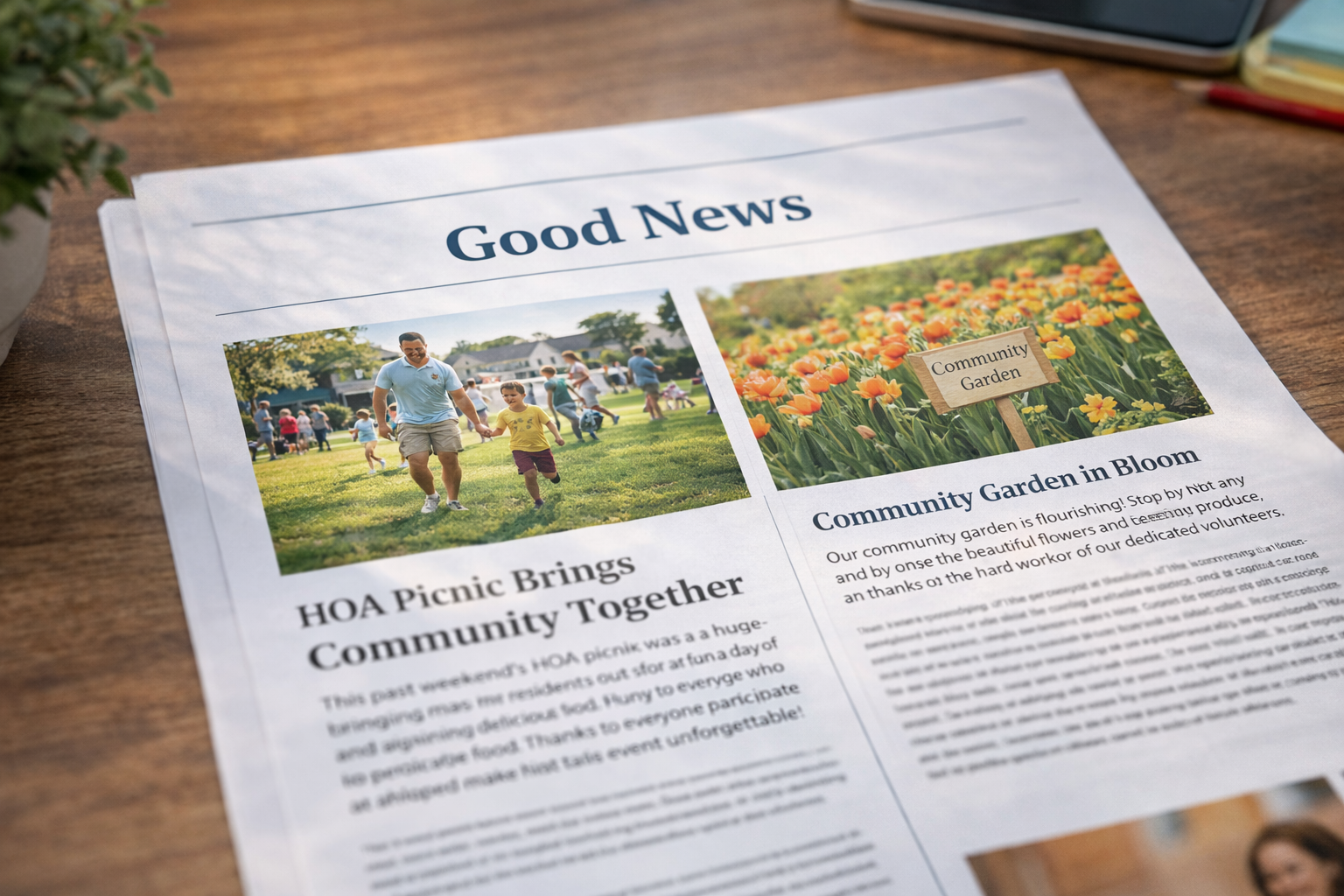
Content ideas:
Board Updates: Summaries of recent decisions, upcoming votes, or community projects
Resident Highlights: “Neighbor of the Month” or volunteer spotlights
Events & Dates: Social gatherings, clean-ups, or maintenance schedules
Reminders: Rules or seasonal tips written in a positive, helpful tone
Good News Section: Achievements, improvements, and thank-yous
Example:
HOA added a “Good News Corner” to every issue. It quickly became the most-read section and helped shift resident communication toward a more collaborative tone.
Keep It Short, Consistent, and Easy to Read
Long paragraphs and dense text can discourage readers. Residents are more likely to engage with newsletters that are concise, visually clear, and predictable in format.
Consistency builds trust — residents come to rely on the newsletter as a dependable source of information.
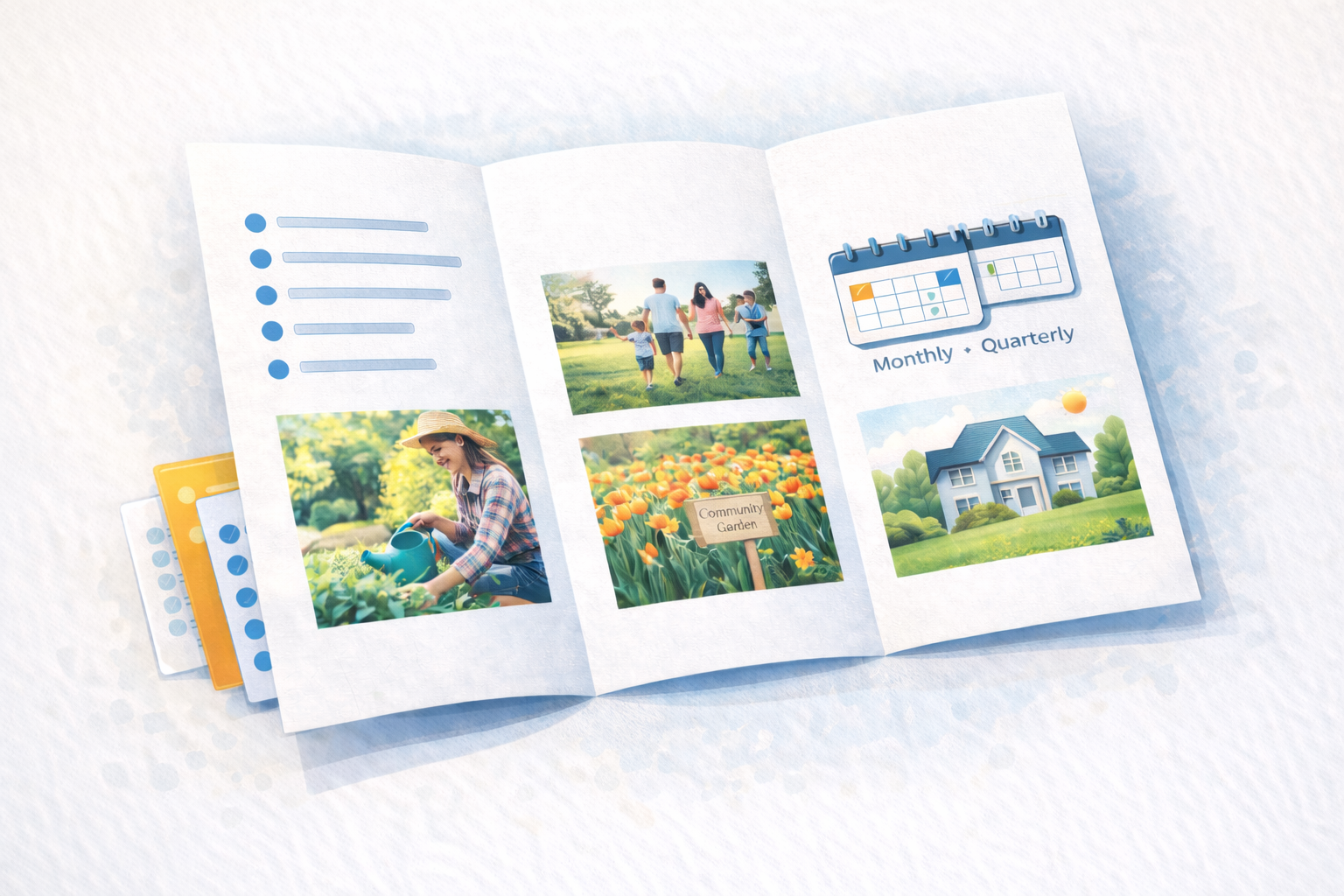
Best practices:
Stick to 1–2 pages or 3–5 quick sections
Use bullet points and clear headings
Include visuals such as photos or simple graphics
Maintain a consistent schedule (monthly or quarterly)
Example:
HOA committed to a one-page monthly newsletter instead of sporadic longer editions. Residents said they finally “had time to read it all.”
Encourage Interaction and Feedback
A newsletter isn’t a one-way broadcast — it’s an invitation to engage. When residents feel heard, they’re more likely to participate and support community initiatives.
Simple interaction tools can turn passive readers into active contributors.
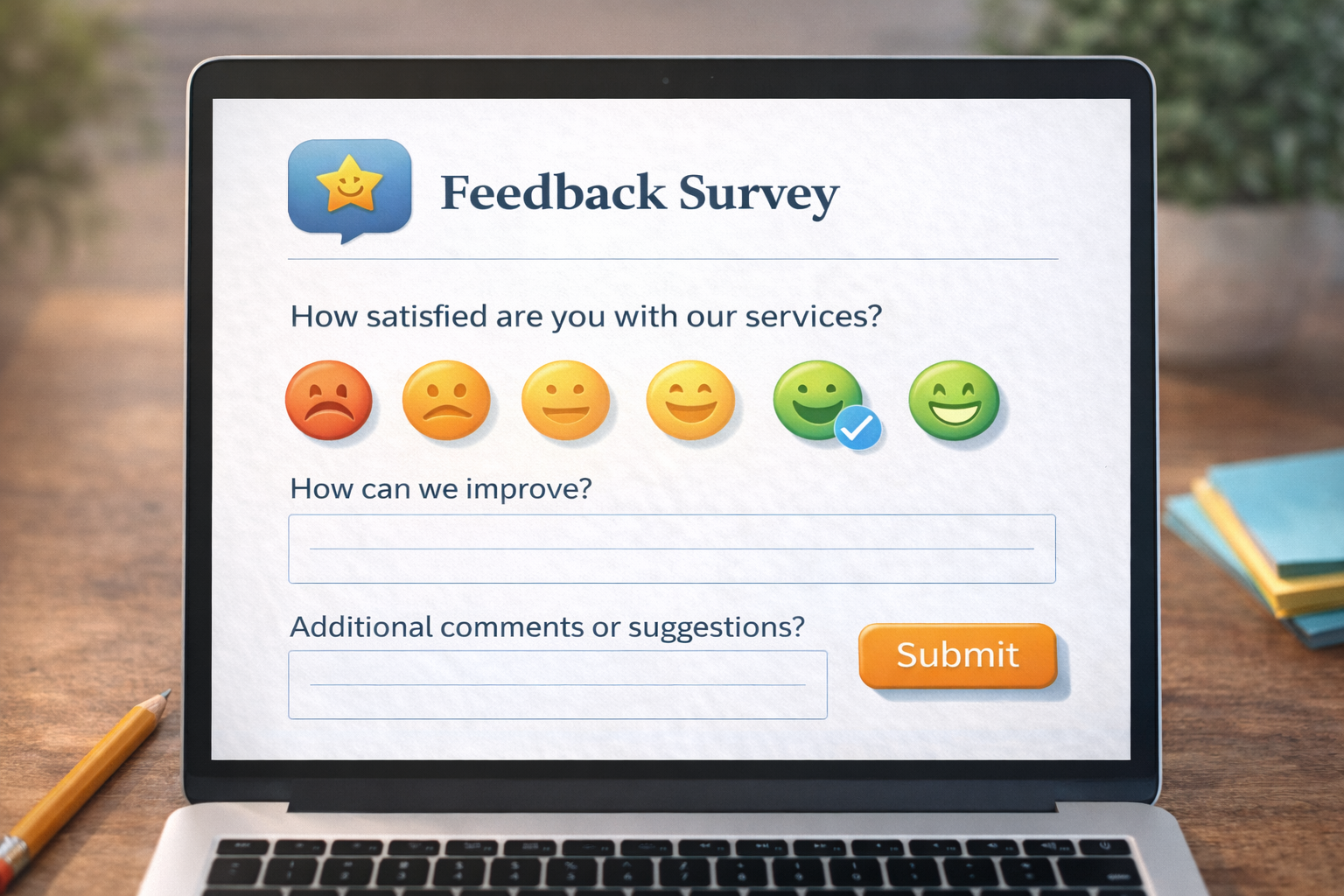
Ideas to build connection:
Include a “Have a Question?” or feedback link
Feature short surveys or polls
Invite residents to submit photos, stories, or announcements
End each issue with contact information and the next publication date
Example:
HOA added a monthly “Your Voice” poll asking residents to vote on small community ideas. Participation increased, and residents reported feeling more included in decisions.
Communication Builds Connection
A newsletter is more than an update — it’s a bridge between leadership and residents. Over time, it becomes part of the rhythm of community life.
When boards share information openly and celebrate community stories, residents feel informed, included, and valued — creating a stronger, more connected HOA.
About the Author
Paul Mengert, CEO of Association Management Group, has spent over 40 years helping community associations operate more effectively, transparently, and fairly. He has personally served on HOA and condo boards in both North and South Carolina, bringing a firsthand understanding of the challenges board members face.
Paul is a nationally recognized educator who has trained managers and board members across the Carolinas and in dozens of other states. He teaches decision-making and governance strategies and is a frequent guest lecturer at Wake Forest University School of Law. Named Educator of the Year by the Community Associations Institute, Paul is known for combining deep experience with a practical, solutions-first approach that boards trust. Learn more at AMGworld.com.
-
Scene 1: Opening
How to Create a Community Newsletter for Your HOA
This presentation is for informational purposes only and does not constitute legal advice.
AMG supports HOA boards in operational and administrative matters and refers legal questions to qualified counsel.Scene 2: Introduction
Hello, I'm Paul Mengert, CEO of Association Management Group.
Today, we're discussing how to create a community newsletter that keeps residents informed, engaged, and connected.
A strong newsletter isn't just about sharing information — it's about building trust, transparency, and a sense of community among the people who live there.
Scene 3: Define the Purpose and Plan the Format
Before you design a single page or write a headline, take time to clarify what your newsletter is meant to accomplish.
Is your goal to keep residents informed, highlight positive moments, or encourage participation? Most effective newsletters do a little of all three.
You'll also want to decide on a format — digital, print, or a combination — and choose a schedule your board can realistically maintain. Consistency matters more than frequency.
Scene 4: Build Meaningful Content
A great newsletter feels relevant and personal — not just administrative.
Residents are more likely to read when content reflects both what's happening and who lives in the community.
Balance practical updates like rules, reminders, and maintenance notes with positive highlights — such as event photos, volunteer recognition, or project progress updates.
Example:
One HOA added a dedicated "Good News" section to every issue. Over time, resident feedback became noticeably more positive and constructive.Scene 5: Keep the Design Clear and Consistent
Your design should make information easy to find at a glance. Short paragraphs, clear headlines, and well-placed visuals help residents quickly understand what's important.
Consistency builds trust. When newsletters follow a familiar format and arrive on a predictable schedule, residents come to rely on them as a dependable source of information.
Scene 6: Encourage Resident Participation
Newsletters work best when they're not one-way communication. Inviting resident participation helps strengthen connection and engagement.
Consider including polls, questions, or opportunities for residents to submit photos, stories, or ideas. When people see their voices reflected, they feel more invested in the community.
Scene 7: Maintain a Reliable Schedule and Improve Over Time
Choose a publishing rhythm your board can sustain — whether monthly, bi-monthly, or quarterly. A reliable schedule helps residents know when to expect updates and builds readership over time.
Pay attention to engagement indicators like open rates, feedback, or event participation. These insights can help you refine content and improve future issues.
Scene 8: Conclusion
A community newsletter does more than share news — it builds transparency, trust, and pride. It gives residents a clear, consistent connection to their board and to each other.
When communication is thoughtful and positive, residents feel informed, included, and engaged in the life of their neighborhood.
👉 Learn more about community communication resources at AMGworld.com
To view our informational pamphlet from this webinar. Click here or on the image.
AMG facilitates community association management and provides educational resources. AMG does not provide legal or financial advice. For questions involving statutes, insurance coverage, or disputes, please consult licensed professionals.