
How to Handle Disputes Between Residents in HOA Communities
Disclaimer: AMG provides operational support to HOA boards but does not offer legal advice. Any legal concerns should be directed to qualified legal counsel. This content is for informational purposes only.
“When neighbors resolve issues fairly, a neighborhood grows stronger—not divided.”
Disagreements happen in every community—but they don’t have to harm relationships or morale. How an HOA board responds to a resident dispute can make all the difference between escalation and resolution.
At Association Management Group (AMG), we assist HOA boards by facilitating fair, consistent processes that help maintain civility and compliance within the limits of each association’s governing documents.
Here are six practical steps for addressing disputes between residents while keeping fairness, professionalism, and respect at the forefront.
Step 1: Determine if It’s an HOA Matter
The first step is knowing when the board should step in—and when it should not. The HOA’s authority comes from its governing documents and applicable laws. Staying within that scope protects both the board and residents.
Typically within HOA scope:
Violations of CC&Rs, rules, or architectural guidelines
Nuisance or safety issues defined in governing documents
Improper use of common areas
Typically outside HOA scope:
Personal disagreements between residents
Property line disputes (private legal matters)
Harassment, threats, or criminal activity — these are matters for law enforcement
If a homeowner complains about noise, first check whether the community’s rules include quiet-hour restrictions. If they do, the board may address it through the standard enforcement process. If not, the board can direct residents to local ordinances or voluntary mediation resources.
Step 2: Document and Respond Consistently

Consistency builds credibility. Every complaint—no matter how small—should follow the same general intake and review process.
Suggested process:
Record the concern (date, time, and summary).
Acknowledge receipt promptly.
Review supporting evidence (photos, details, or messages).
Confirm whether a rule applies before taking further action.
Step 3: Communicate Calmly and Stay Neutral
When emotions run high, boards should stay neutral and focus on facts—not feelings. The key is to enforce documents fairly and avoid personalizing issues.
Best practices for communication:
Reference governing documents, not opinions.
Use consistent, neutral wording
Avoid assigning blame or judgment.
Example:
In a Greenville community, a disagreement over parking escalated online. The board calmly reminded residents that official decisions are based only on written rules—not social media discussions. The neutral tone helped de-escalate tension.
Step 4: Follow the Formal Process Fairly
If informal reminders don’t resolve an issue, follow the association’s enforcement procedure as outlined in its governing documents.
Typical steps may include:
Courtesy reminder (optional)
Formal written notice citing the rule and facts
Opportunity to correct or “cure” the issue
Hearing or opportunity to be heard
Written decision or outcome
Important note:
HOA boards should always consult their attorney when interpreting governing documents, applying fines, or issuing enforcement actions. AMG facilitates administrative steps—such as notices, scheduling, and documentation—but does not provide legal advice or interpretation.
Step 5: Close the Loop and Learn from Each Case
After a dispute is resolved, proper follow-up helps prevent repeat issues and rebuilds resident confidence.
Suggested follow-up:
Confirm compliance in writing.
Thank residents for cooperation.
Identify any recurring patterns or confusing rules.
Share educational reminders with the community if appropriate.
Example:
A Raleigh HOA noticed recurring trash-bin complaints. After resolving a few cases, the board sent a community-wide reminder about collection day rules—complete with photos. Complaints nearly disappeared.
Step 6: Promote Civility and Prevent Future Conflicts
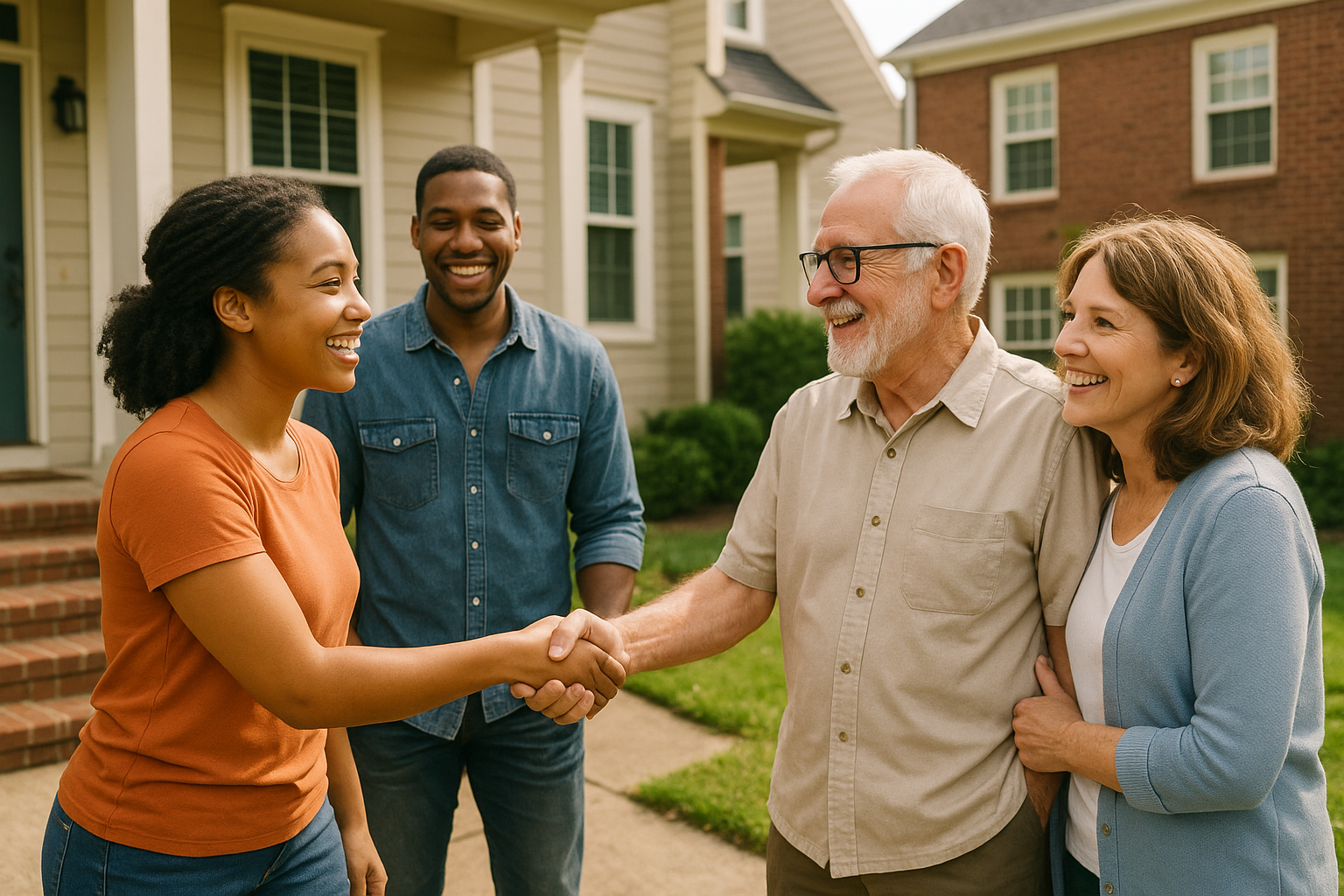
Even with fair processes, the best way to minimize disputes is to nurture a culture of respect.
Ways to build civility:
Adopt a brief “Community Civility Statement” and display it online and in meetings.
Recognize residents who model courtesy and cooperation.
Host low-pressure gatherings to encourage positive neighbor interactions.
Fair Process Builds Trust
Conflict is unavoidable, but confusion isn’t.
When HOA boards approach disputes with fairness, structure, and consistency, they preserve trust and create a more harmonious neighborhood. AMG supports boards by facilitating efficient administrative systems, communication tools, and education that make dispute management smoother and more transparent.
At AMG, we believe well-managed communities are peaceful communities.
About the Author
Paul Mengert, CEO of Association Management Group, has spent over 40 years helping community associations operate more effectively, transparently, and fairly. He has personally served on HOA and condo boards in both North and South Carolina, bringing a firsthand understanding of the challenges board members face.
Paul is a nationally recognized educator who has trained managers and board members across the Carolinas and in dozens of other states. He teaches decision-making and governance strategies and is a frequent guest lecturer at Wake Forest University School of Law. Named Educator of the Year by the Community Associations Institute, Paul is known for combining deep experience with a practical, solutions-first approach that boards trust. Learn more at AMGworld.com.
-
How to Handle Disputes Between Residents in HOA Communities
This resource is for general educational purposes only and does not constitute legal or financial advice. HOA boards should consult their attorney, accountant, or other licensed professionals for guidance specific to their association. AMG supports HOA boards in administrative and operational matters and refers legal questions to qualified counsel.
Introduction
Disputes between neighbors happen in every HOA. Handled well, these situations can actually strengthen a community. Handled poorly, they can divide it. The key is to approach each concern with clarity, consistency, and professionalism.
Know What Falls Within the HOA’s Authority
Before taking action, determine whether the issue is something the association has authority to address.
Within the HOA’s responsibility: CC&R violations, safety concerns, misuse of common areas
Outside the HOA’s responsibility: Personal disagreements, neighbor-to-neighbor conflicts, or criminal matters
When appropriate, these should be referred to mediation or law enforcement.
AMG assists boards in building reference tools that clearly outline what is — and is not — within the HOA’s lane.Use Consistent Processes for Every Complaint
Consistency builds trust. Every concern should receive the same calm, structured response.
Use an online form or tracking log to record details
Acknowledge receipt promptly
Review facts before responding
AMG facilitates digital systems that help boards manage and organize these records efficiently.
Communicate Clearly and Neutrally
When emotions rise, neutrality becomes essential. Stay focused on facts, cite the relevant rule, and use respectful, concise language.
A short, polite response grounded in governing documents can defuse most situations.
AMG supports boards with communication templates and training that reinforce professional, neutral tone.Follow Your Enforcement Policy Step by Step
If reminders do not resolve the issue, follow the association’s enforcement policy exactly as written:
Notice
Opportunity to cure
Hearing
Written outcome
Fairness and documentation are key. AMG assists boards by organizing hearing materials, supporting the board’s attorney, and helping ensure due process is respected.
Reinforce Community Culture After Resolution
Once a situation is resolved, thank residents for cooperating and look for patterns that might be addressed proactively.
Sometimes a friendly community-wide reminder prevents repeat issues.Beyond process, strong community culture reduces conflict:
Civility statements
Recognition programs
Social gatherings and opportunities to connect
AMG facilitates community-building efforts that turn small conflicts into opportunities for stronger relationships.
Closing
Disagreements are inevitable — but disorder doesn’t have to be. When boards approach disputes with structure, empathy, and transparency, communities remain peaceful and proud. AMG is honored to support HOA boards in creating that balance, helping you manage confidently and lead with fairness.
To learn more, visit AMGworld.com.
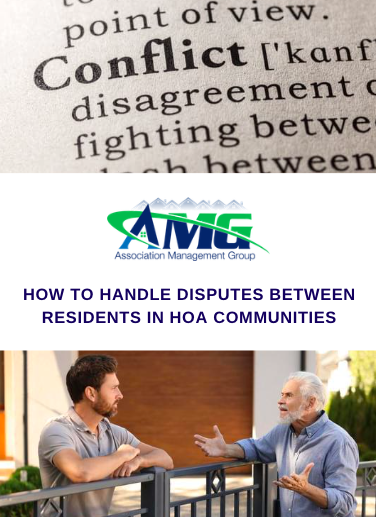
To view our informational pamphlet from this webinar. Click here or on the image.
AMG facilitates community association management and provides educational resources. AMG does not provide legal or financial advice. For questions involving statutes, insurance coverage, or disputes, please consult licensed professionals.