
HOA Management Services in Winston Salem, Greensboro and Charlotte: What Strong Communities Actually Rely On
/
When Boards begin evaluating HOA management companies, the conversation often starts with a checklist: communication, financials, vendors, enforcement. On paper, it all looks straightforward.
In practice, it rarely is.
Across Winston Salem, Greensboro, Charlotte, and the broader Carolinas, we have seen how these areas are deeply connected. When one area falters, the others are quickly affected. A missed financial detail can create tension. Poor communication can breed suspicion. Inadequate vendor follow-up can lead to costly surprises.
Strong community association management is not simply about offering services. It is about helping Boards execute them consistently — especially when challenges arise.
Below is how experienced management teams assist Boards in handling these responsibilities effectively.
Proactive Communication and Responsiveness
Most Boards understand the importance of communication. The real challenge lies in the timing, tone, and consistency.
Silence from the Board or management team often creates more issues than delivering difficult news. Homeowners tend to fill informational gaps with assumptions.
Experienced management helps Boards communicate proactively — getting ahead of issues, setting clear expectations early, and responding in ways that acknowledge concerns even when the answer is not ideal. Predictable, consistent communication has helped many communities stabilize during difficult periods.
Financial Accuracy and Transparent Reporting
Financial reporting is where community trust is either strengthened or eroded.
HOA financial planning involves managing operating expenses, reserve funds, and long-term obligations to help the community avoid sudden financial strain.
Accurate reports are essential. Transparency makes them truly useful.
Management teams assist Boards by delivering clear, well-organized reports with consistent explanations and visible reserve tracking. This support helps Board members understand the information and make confident decisions rather than hesitant ones. When financials are unclear, decisions stall — and stalled decisions often become expensive ones.
Active Vendor Oversight and Accountability
Vendor management is one of the most underestimated areas in community association management.
Hiring vendors is relatively straightforward. Helping Boards maintain accountability afterward is where experienced management provides the most value.
Management assists Boards by monitoring performance after contracts are signed, verifying work completed, and helping address issues early when performance drifts. This oversight helps prevent missed deadlines, incomplete work, or unanticipated change orders.
One Board we supported assumed their landscaping vendor was properly maintaining the irrigation system. No one had verified the work for months. By the time the problem became visible, large sections of common area required expensive replacement. The cost was significant, but the sense of being blindsided was even more damaging. Situations like this are more common than most Boards realize.
Consistent and Fair Rule Enforcement
Rule enforcement is rarely just about the rules themselves. It is about the perception of fairness.
Governing documents typically grant clear authority, but how that authority is applied matters greatly.
Experienced management helps Boards apply rules consistently, reducing the risk of selective or overly aggressive enforcement that can create tension or resentment. This support assists Boards in removing personal bias from the process and reinforcing that expectations apply equally to all residents. It also helps Board members avoid emotionally driven decisions.
Expert Guidance on Legal and Legislative Compliance
HOA governance operates within an evolving legal framework.
In North Carolina, communities are generally guided by the Planned Community Act (Chapter 47F) or condominium statutes (Chapter 47C). South Carolina follows Title 27. These laws provide structure, but they rarely answer every practical question a Board encounters.
Management teams help Boards interpret how legislation typically applies in day-to-day situations while clearly identifying when outside legal counsel should be engaged. This guidance assists Boards in staying compliant while making reasonable, practical decisions.
Modern Technology and Homeowner Portals
Today’s homeowners expect easy access to information.
Management can help Boards implement and maintain modern homeowner portals that allow residents to view accounts, access documents, submit requests, and receive updates. When supported by responsive follow-through, these tools reduce friction, increase transparency, and limit unnecessary escalation.
Technology alone is not enough — it works best when paired with strong human support behind it.
Strategic Project Management for Capital Improvements
Capital projects test both planning and execution.
A reserve study serves as a long-term financial roadmap to help communities prepare for major repairs and replacements.
Management assists Boards by supporting coordination, oversight, and communication throughout capital projects. This help helps Boards balance timing, cost, and homeowner impact while keeping the community’s long-term health in focus. We have seen delayed projects lead to much higher costs later — and rushed projects create unnecessary disruption.
Reliable 24/7 Emergency Availability
Emergencies do not follow business hours.
Management teams help Boards maintain systems for rapid response to true emergencies — whether water issues, storm damage, or safety concerns. This support protects both property and homeowner confidence while distinguishing genuine emergencies from matters that can wait until morning.
Efficient Board Meeting Preparation and Execution
Board meetings are where progress either happens or stalls.
Experienced management helps Boards prepare clear agendas, organized financials, vendor updates, and defined decision points. This preparation assists meetings in staying focused and productive, respecting everyone’s time while advancing important business.
Conflict De-escalation and Community Building
Communities are made of people with strong opinions, emotions, and expectations. Conflict is inevitable.
Management assists Boards with de-escalation by helping maintain a calm, listening-oriented approach that acknowledges concerns without taking sides. Over time, this support helps foster an environment where issues can be addressed constructively before they divide the community.
How These Services Come Together
Each area is important on its own. The real difference comes from how they interconnect.
Communication supports enforcement. Financial clarity supports better decisions. Vendor oversight supports successful projects.
When one area is weak, the others feel the impact. Strong management helps Boards maintain alignment across all these responsibilities.
Boards seeking additional perspective may find value in resources like www.amgworld.com or the Lessons from the Neighborhood series LINK.
Paul’s Key Guidance
Do not evaluate management services in isolation.
Ask how communication connects to financial reporting. Ask how vendor performance is tracked and documented. Pay close attention to consistency — not just promises.
Most importantly, observe how potential partners help Boards navigate real problems. That will reveal far more about their value than any checklist.
The right management relationship functions as a true extension of the Board — assisting with anticipation, protection of community resources, and preservation of community harmony.
About the Author
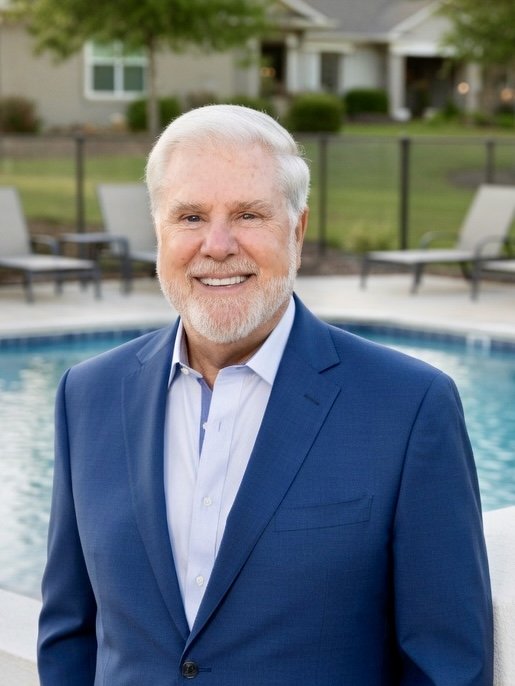
Paul Mengert is a premier educator and strategist with over 30 years of expertise in community association management. As CEO of Association Management Group (AMG), an AAMC®-accredited firm, he is a CAI Educator of the Year and a PCAM® designee dedicated to elevating professional and volunteer leadership.
A governance advisor and decision-making strategist, Paul teaches at Wake Forest University School of Law and a Harvard Business School alumni program. His global influence includes advising the U.S. Department of State on housing initiatives in the former Soviet Union and chairing the Piedmont Triad International Airport Authority, earning him the “Most Admired CEO” title from the Triad Business Journal. Through his book series, Lessons from the Neighborhood, and his work at AMG, Paul provides community leaders with practical frameworks at the intersection of finance, law, and human dynamics.