
Charleston's Dockside Condominium Is for Sale: Questions Every Condo Board in the Carolinas Should Be Asking
/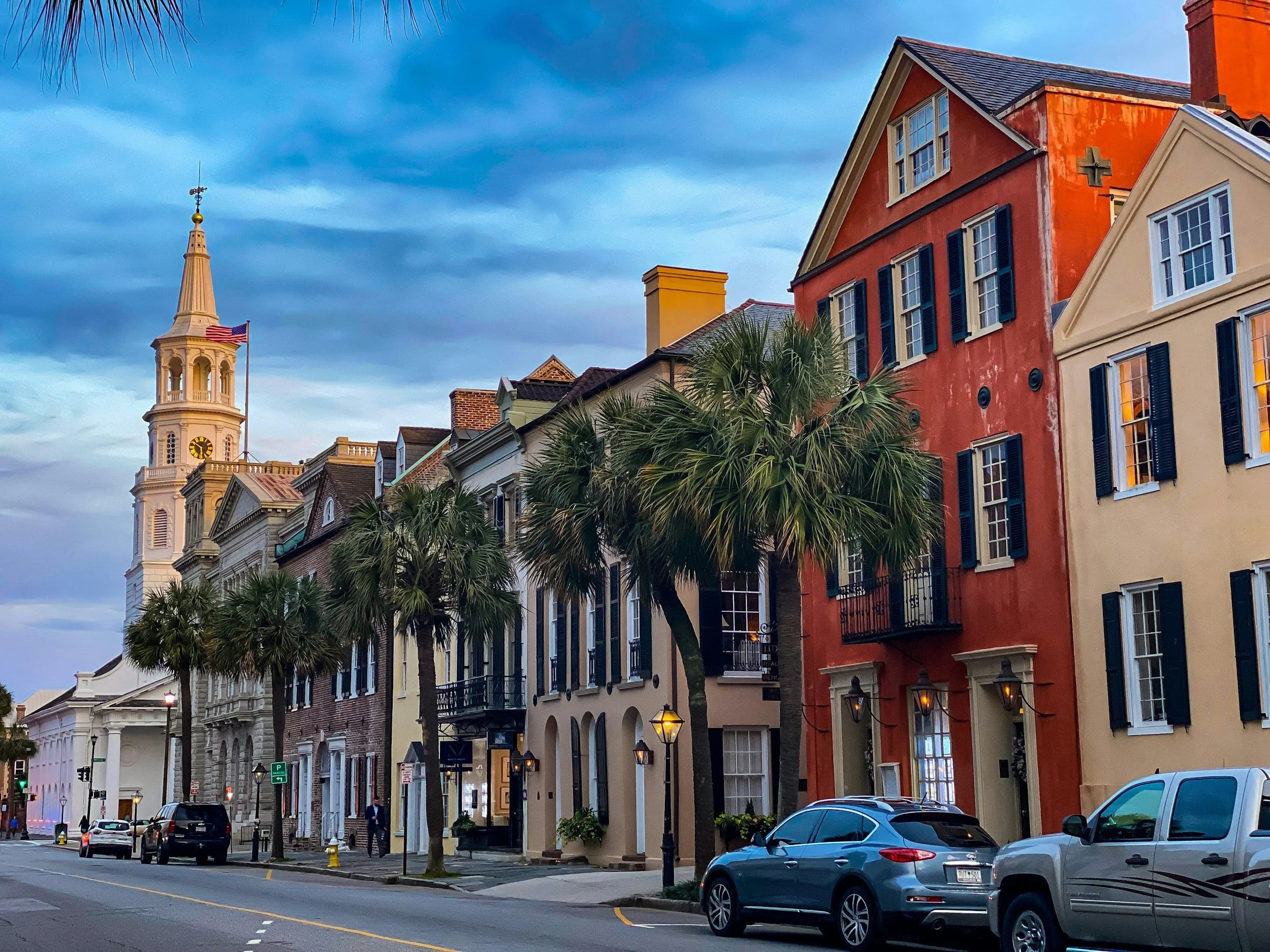
A year and a half after its residents were ordered to leave, Charleston's Dockside condominium is officially back on the market. According to reporting by ABC News 4 in Charleston, the Dockside Association has selected the commercial real estate firm JLL to market the 3.31 acre Concord Street property through Chapter 11 bankruptcy proceedings. The site includes the evacuated 18 story tower, 21 townhomes, and nearly 300 feet of Cooper River frontage.
The February 2025 evacuation was one of the hardest community association stories the Carolinas have seen in years. The City of Charleston ordered residents out after engineers concluded the building was unsafe to occupy, and owners reportedly had less than 48 hours to leave. Legal disputes involving owners, insurers, and the association followed, as the reporting notes, and those questions belong to the engineers, the courts, and the parties involved. Nothing here assigns cause or fault at Dockside, and no board should draw conclusions about a specific community from news coverage alone.
What the rest of us owe the families displaced there is to take the general questions seriously. Every aging condominium building, in the Carolinas and beyond, is quietly asking its board a version of them.
What is a reserve study? A reserve study is a long-term financial plan that identifies a community's major physical components, estimates their remaining useful life and replacement cost, and lays out how the association will pay for that work before it becomes urgent.
Aging Buildings Rarely Announce Their Problems
Time works on every building. On the coast, salt air, humidity, and storm exposure accelerate the wear on concrete and steel; inland, water intrusion, settling, and aging mechanical systems do quieter versions of the same work, and much of it happens where no one can see it. A large share of the condominium stock across the Carolinas was built in the 1970s and 1980s, which means those buildings are now entering the stretch of life where original systems and structures reach the end of their design expectations. Deterioration in a building is gradual for a long time and then, seemingly, sudden.
A building tells its board the truth long before it tells the public. It tells it through inspection reports commissioned or skipped, through maintenance logs, through the small findings that get repaired promptly or explained away. With over 40 years managing Carolina communities, we have found that the difference between a manageable capital project and a crisis is usually time: how early the board decided to look.
Why Do Condo Boards Delay Funding Repairs?
Boards that hesitate are rarely careless. Directors are volunteers and neighbors, carrying real concerns about affordability, owners on fixed incomes, and what rising assessments might do to resale values. Owners who push back on increases have legitimate worries too. A board that raises dues to fund repairs no one can see yet takes on genuine political risk.
The other side of the ledger is just as real. Deferred work compounds, and construction inflation erodes purchasing power. Since the 2021 building collapse in Surfside, Florida, lenders and insurers across the country have looked much harder at the structural and financial condition of aging condominiums. Lending guidelines generally call for associations to set aside a meaningful share of the budget for reserves, and that expectation has been trending upward. Reserves are the scheduled cost of owning a building, and the schedule does not care whether the money was set aside. As Paul Mengert writes in Dollars, Decisions, and Better Stewardship, the second volume of the Lessons from the Neighborhood series "Small annual increases feel manageable. Special assessments feel like financial trauma."
We once worked with the board of a decades-old coastal mid-rise where an engineer's proposal for a structural and building envelope assessment appeared on three consecutive meeting agendas without a vote. No one spoke against it. Every director was quietly running the same math about what the findings might cost and what a special assessment would mean for neighbors on fixed incomes. When the study was finally commissioned, the repairs it identified were significant but schedulable, and one director later admitted the hardest part had been agreeing to look.
Reserve Study vs. Engineering Study: What Each One Tells a Board
These two tools are often confused, and the distinction matters for older buildings. A reserve study relies on visual observation and professional judgment to support long-term financial planning. It can tell a board roughly when a component will likely need replacement and what that might cost. It generally cannot tell a board what is happening inside a structural system, because that level of certainty requires a more detailed engineering evaluation, which may involve testing and invasive analysis.
For a building of some age, particularly, though not only, in a coastal environment like Charleston's, the prudent posture usually involves both ideas: a regularly updated reserve study driving the financial plan, and periodic conversations with licensed engineers about whether a deeper structural or envelope evaluation is warranted. As Paul writes in the same volume: "Reserve studies aren't about predicting the future perfectly; they're about refusing to ignore what experience has already made predictable."
What Condo Boards in the Carolinas Can Do Now
Make building condition a standing agenda item, and ask when a licensed engineer last evaluated the structure and envelope. Commission or update a professional reserve study, and align actual funding with it, using multi-year projections so gradual increases feel normal to owners rather than alarming. Review the association's insurance program with qualified professionals, and communicate with owners early and plainly, because informed owners handle hard news far better than surprised ones.
Laws, lending requirements, and governing documents vary by community and jurisdiction, and they change. Boards should consult qualified legal counsel before acting on any of this, and licensed engineers on any question about a building's physical condition. For boards looking for a starting framework, AMG maintains board education resources, including a step-by-step annual budget playbook, at www.amgworld.com.
If you're already working with AMG, reach out to your community manager. If you're not yet an AMG client, our client services team is happy to point you toward qualified professionals or other resources who can help, whether or not that leads to working with us.
Frequently Asked Questions
What happened to the Dockside condominium in Charleston?
In February 2025, the City of Charleston ordered residents to evacuate the waterfront Dockside condominium after engineers deemed the structure unsafe for occupancy, according to local news reporting. In August 2026, reporting indicated the Dockside Association had selected the real estate firm JLL to market the property for sale through Chapter 11 bankruptcy proceedings. Legal disputes involving owners, insurers, and the association have been reported, and questions of cause remain with the engineers, courts, and parties involved.
How often should a condominium association update its reserve study?
Many professionals recommend updating the financial component of a reserve study annually and completing a full physical inspection about every three years, with more frequent reviews for older buildings and harsh coastal environments. Requirements vary by jurisdiction and by a community's governing documents, so boards should confirm their specific obligations with qualified legal counsel and a credentialed reserve specialist.
Are structural inspections required for condominiums in the Carolinas?
Requirements vary by state, by jurisdiction, and by a community's own governing documents, and rules in this area have been evolving nationally in recent years. Whether or not an inspection is mandated, periodic evaluation of an aging building by licensed engineers is widely regarded as prudent. Boards should ask qualified legal counsel to confirm what currently applies to their community.
Paul's Key Guidance
Bring two questions to your very next board meeting. First: when did a licensed engineer last look at this building's structure and envelope, and what did we do with what they found? Second: does our funding actually match our reserve study, or do we simply have one on file? If the board finds itself dreading what a study might reveal, treat that dread as the clearest evidence the study is overdue.
And remember what time is really for. The kindest thing a board can do for owners on fixed incomes is give them years to prepare instead of weeks, and early information is the only way to give it. The families of Dockside deserved that kind of time. Every community still has the chance to provide it.
About the Author
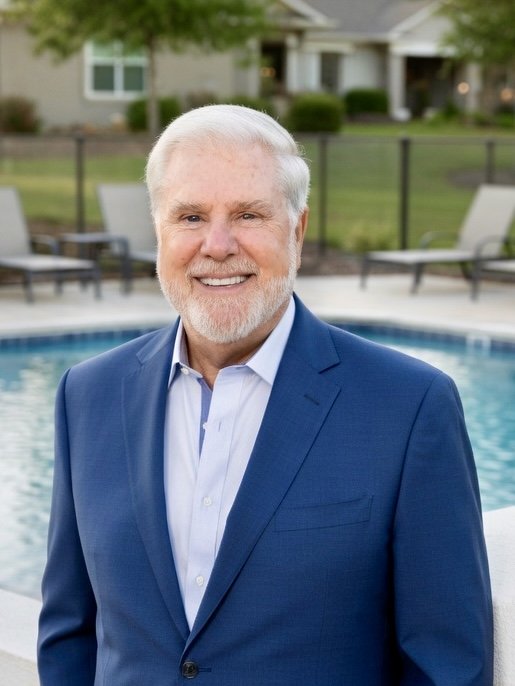
Paul Mengert, CMCA®, PCAM®, is a visionary leader, award-winning educator, and transformative strategist in community association management. With over 40 years of experience, he is the founder and CEO of Association Management Group (AMG), an AAMC®-accredited firm that began in 1985 with three Greensboro, North Carolina, associations, and is now a leading, nationally respected management company. Today, AMG serves over 30,000 property owners across the Carolinas, supporting the volunteer boards that steward communities with a combined asset value exceeding $5 billion.
Paul was named a Community Associations Institute (CAI) Educator of the Year and serves as senior faculty there. He is a longtime guest lecturer at Wake Forest University School of Law and teaches in the Harvard Business School alumni program at Queens University, focusing on the intersection of governance, finance, law, and human dynamics.
Paul's influence extends beyond community associations. He has advised the US Department of State on housing initiatives in the former Soviet Union and served five terms as Chair of the Piedmont Triad International Airport Authority. Under his leadership, the airport became a dynamic aerospace and innovation hub, attracting major global players in aviation and advanced manufacturing.
Recognized as a "Most Admired CEO" by the Triad Business Journal, Paul is the author of the acclaimed Lessons from the Neighborhood book series. Through writing, speaking, and consulting, he equips community leaders with practical frameworks for governance excellence, while preserving the human touch that makes neighborhoods thrive.
Paul Mengert doesn't just manage communities: He builds strong, smart, resilient community leaders.
Learn more at www.amgworld.com and www.LessonsFromTheNeighborhood.com.