
Why Condo Dues Are Rising in Greensboro, Winston-Salem, and Charlotte: New Lending Rules Put Reserves in the Spotlight
/
If you serve on a condominium board in Greensboro, Winston-Salem, or Charlotte, you may already be fielding a version of the same question: why are our dues going up again? Part of the answer is familiar. Insurance, labor, and materials all cost more than they did a few years ago. But a newer force is now at work, and it comes not from your vendors or your neighbors but from the mortgage market itself.
Recent reporting by The Wall Street Journal describes how the government-backed companies that stand behind most conventional home loans are tightening their expectations for condominium associations, particularly around how much communities budget for future repairs. For boards, this shifts reserve funding from a best practice worth aspiring to into a factor that can directly affect whether units in the building can be bought, sold, or refinanced with a standard mortgage.
Why Are Condo Dues Going Up?
Here is the direct answer. In many communities, condo dues are rising because federal lending guidelines now expect associations to budget more for long-term repairs and replacements, and buildings that fall short can become harder to buy or refinance with a conventional loan. Boards that strengthen reserve contributions to meet those expectations often adjust dues to close the gap.
A reserve fund, for anyone newer to this world, is the money an association sets aside for major future expenses such as roofs, elevators, paving, and building systems. It is separate from the operating budget that pays for day-to-day services. A reserve study is the professional analysis that estimates when those big-ticket items will need attention and what they will likely cost, so the community can save gradually instead of scrambling later.
What Changed in the Lending Rules
The reporting describes updated guidelines under which associations are generally expected to dedicate a meaningful share of their annual budget to reserves, and that minimum has been trending upward. Communities budgeting less may still qualify when a current reserve study supports the lower figure and the budget follows the study's recommendations. At the same time, some insurance requirements that lenders and associations had found burdensome are reportedly being eased.
Industry observers connect the tightening to the 2021 condominium collapse in Surfside, Florida, which prompted lenders to look far more closely at building condition, insurance, and deferred maintenance nationwide. The practical consequence for an association that falls short and cannot document an exception is significant. Prospective buyers may struggle to obtain standard financing, and existing owners may find refinancing more complicated. Lenders have started reading association budgets the way they read credit reports.
It is fair to note that reasonable people see these rules differently. Supporters view them as overdue protection for buyers and for the long-term soundness of aging buildings. Critics point out that they add cost and administrative burden to volunteer-run communities, and that a lending standard applied nationally cannot account for every building's circumstances. Both perspectives have merit, and boards do not get to choose the rules. They get to choose how prepared their community is.
What This Means for Condo Boards in the Triad and Charlotte
The condominium landscape across our region spans uptown Charlotte towers, converted buildings in downtown Winston-Salem, and established mid-rise and townhome-style condominium communities throughout Greensboro. Many of these buildings are reaching the age where major components come due. In North Carolina, the Condominium Act generally addresses topics such as assessments and association insurance at a high level, but the details live in each community's own declaration and bylaws, and those vary widely. Boards should review their specific obligations with qualified legal counsel rather than assuming their documents match their neighbors'.
We saw the new reality land in a very ordinary way at one Triad condominium community. A unit went under contract, the lender's questionnaire arrived, and a question about the reserve line item stalled the file. The board spent an anxious week assembling its reserve study, budget detail, and insurance certificates while the buyer's rate lock ticked down. The closing happened, but the seller's experience changed how the board thought about its budget. Their funding decisions were no longer an internal matter. They had become part of every owner's resale story. At the next budget cycle, the board aligned contributions with its reserve study, and it now keeps a current lender-ready package on file.
That last habit matters. Underfunded reserves are a cost every owner pays eventually, usually at the worst possible time. A recent industry analysis cited in the Journal's reporting found that associations with declining reserve balances were substantially more likely to levy special assessments than those with stable or growing balances. The pattern matches what we have watched play out in communities for decades.
The Honest Debate About Raising Dues
None of this makes a dues increase easy, and boards deserve a fair account of both sides. Owners on fixed incomes feel every increase, and affordability is a legitimate concern in a market where housing costs have climbed across the board. Boards that hold dues steady are usually acting from genuine care for their neighbors, not negligence.
The other side of the ledger is that deferred funding does not make costs disappear. It converts predictable monthly contributions into unpredictable special assessments, and it can now also affect owners' ability to sell or refinance. As Paul writes in Dollars, Decisions, and Better Stewardship, the second volume of the Lessons from the Neighborhood series, "Stewardship is real control." The series, which carries a foreword by Dawn M. Bauman, CAE, Chief Executive Officer of the Community Associations Institute, explores this tension at length, and it is available at www.LessonsFromTheNeighborhood.com.
With over 40 years managing Carolina communities, we have found that owners accept increases they understand far more readily than assessments that surprise them. The board's job is not to pick a side in the abstract. It is to put a current reserve study, an honest funding gap, and the financing implications in front of the membership, then decide with full information.
What Boards Can Do This Budget Season
A few practical steps position a community well, whatever its starting point:
Confirm your reserve study is current and correctly scoped. Consistent with CAI best practices, most communities update studies on a regular cycle. It is also worth confirming with legal counsel which components the association is actually responsible for before the specialist begins, since governing documents differ.
Compare your budgeted contribution to the study's recommendation. If there is a gap, quantify it and consider a multi-year plan to close it rather than a single painful jump.
Get lender-ready. Keep financial statements, the reserve study, insurance certificates, and governing documents organized so a lender questionnaire can be answered in days, not weeks. Every resale in the building now depends on it.
Communicate early and plainly. Show owners the math, including what the alternative paths would cost. Our guides on the importance of reserve studies and managing rising HOA costs in North Carolina offer frameworks boards can borrow.
Boards looking for additional planning resources, including budget and reserve guidance written for volunteer leaders, can find them at www.amgworld.com.
If you're already working with AMG, reach out to your community manager, who can help your board assess where your community stands. If you're not yet an AMG client, our client services team is happy to point you toward qualified reserve specialists, attorneys, or other resources who can help, whether or not that leads to working with us.
Frequently Asked Questions
Why are condo association dues increasing in 2026?
Rising insurance, labor, and material costs are part of the story, and tightening federal lending guidelines now expect associations to budget more for long-term repairs. Communities strengthening reserve funding to meet those expectations often adjust dues to close the gap. The specifics vary by community, so boards should review their own budget and governing documents with qualified professionals.
What happens if a condo association's reserves are underfunded?
Underfunding typically leads to deferred maintenance and, eventually, special assessments when major repairs can no longer wait. Under current lending guidelines, it can also affect buyers' ability to obtain conventional financing, which touches every owner's resale value. A current professional reserve study is the standard tool for measuring the gap and planning to close it.
How much should a condo association contribute to reserves?
There is no single correct number for every community. The generally accepted best practice, consistent with CAI guidance, is to fund at the level a current professional reserve study recommends. Lending guidelines generally look for a meaningful share of the annual budget to go toward reserves, and boards should confirm their specific position with their reserve specialist, attorney, and financial professionals.
Paul's Key Guidance
Run what I call the resale test at your next board meeting. Ask one question: if a unit went under contract tomorrow, could we hand the lender a complete, current package within three business days? If the answer is no, fix that before you debate anything else, because the fix is operational, inexpensive, and protects every owner in the building immediately.
Then treat reserve funding as a glide path, not a cliff. Boards that adopt modest, planned increases tied to a reserve study almost never face the meeting where a stunned membership absorbs a large special assessment all at once. The board that raises dues thoughtfully and explains why is doing its owners a financial favor, even in the years when no one says thank you. And keep your attorney in the conversation early. Laws, lending guidelines, and governing documents all change, and the communities that navigate change best are the ones that ask good questions before they act.
About the Author
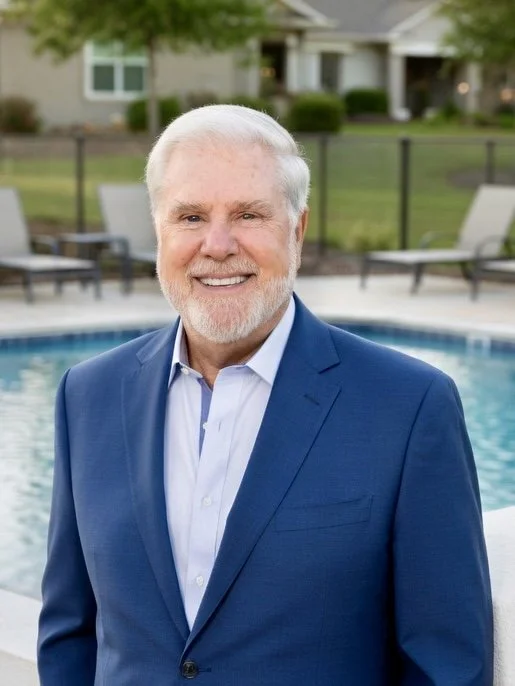
Paul Mengert, CMCA®, PCAM®, is a visionary leader, award-winning educator, and transformative strategist in community association management. With over 40 years of experience, he is the founder and CEO of Association Management Group (AMG), an AAMC®-accredited firm that began in 1985 with three Greensboro, North Carolina, associations, and is now a leading, nationally respected management company. Today, AMG serves over 30,000 property owners across the Carolinas, supporting the volunteer boards that steward communities with a combined asset value exceeding $5 billion.
Paul was named a Community Associations Institute (CAI) Educator of the Year and serves as senior faculty there. He is a longtime guest lecturer at Wake Forest University School of Law and teaches in the Harvard Business School alumni program at Queens University, focusing on the intersection of governance, finance, law, and human dynamics.
Paul's influence extends beyond community associations. He has advised the US Department of State on housing initiatives in the former Soviet Union and served five terms as Chair of the Piedmont Triad International Airport Authority. Under his leadership, the airport became a dynamic aerospace and innovation hub, attracting major global players in aviation and advanced manufacturing.
Recognized as a "Most Admired CEO" by the Triad Business Journal, Paul is the author of the acclaimed Lessons from the Neighborhood book series. Through writing, speaking, and consulting, he equips community leaders with practical frameworks for governance excellence, while preserving the human touch that makes neighborhoods thrive.
Paul Mengert doesn't just manage communities: He builds strong, smart, resilient community leaders.
Learn more at www.amgworld.com and www.LessonsFromTheNeighborhood.com.