Building shuttered after massive fire scorches condo complex

A fire at Shallowbag Bay in Manteo early Wednesday morning caused major damage to a six-unit building, leaving 10 people without homes. Five of the six units were occupied at the time, but all residents were able to evacuate safely, thanks in part to working smoke alarms. Three units were heavily damaged by flames while the others suffered smoke and water damage, and the building has been declared uninhabitable. Local first responders quickly contained the fire, and organizations like the Red Cross and community members are now helping displaced families as the cause of the fire remains under investigation.

Read More: WTKR

Editors Note: AMG recommends Boards meet annually with their insurance professionals and attorneys to review community’s insurance. 

Dream Condo Turned Nightmare: Buyers Left Waiting After Project Halts

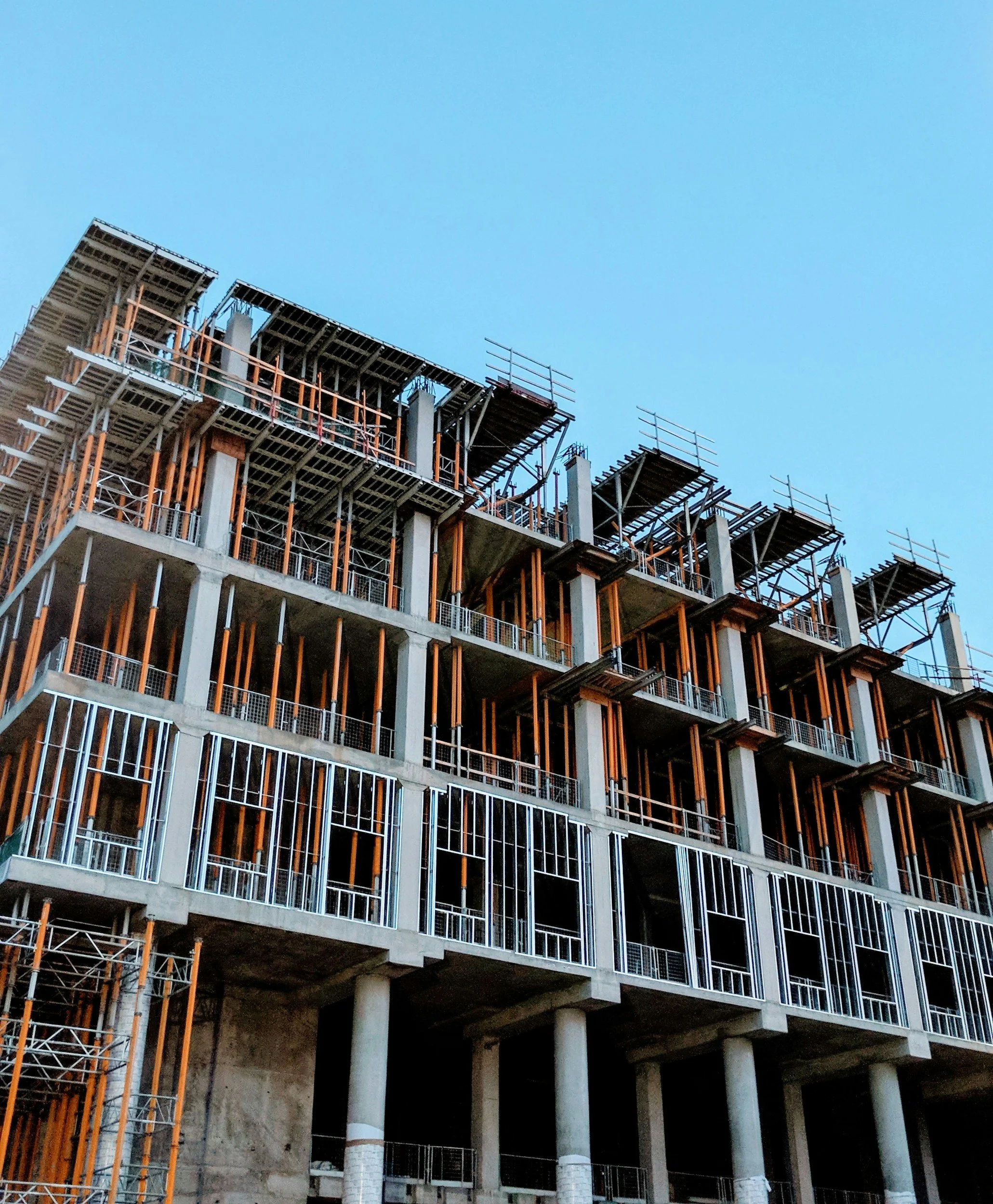
Two buyers who paid deposits for units at the stalled Prosperity Luxury Condominiums project in Charlotte are now demanding their money back after construction halted and questions about completion went unanswered. Leshawn Tilman and Edward Hill paid roughly $15,000 and $28,000 respectively, hoping to secure housing for their families, but the development has remained unfinished for more than two years. A WBTV investigation found multiple liens filed by subcontractors who claim they were not paid, along with a 2023 lawsuit involving the developer, Wagener Properties Charlotte. The developer has not responded to requests for comment, leaving the buyers frustrated and seeking refunds for their deposits.

Read More: WBTV

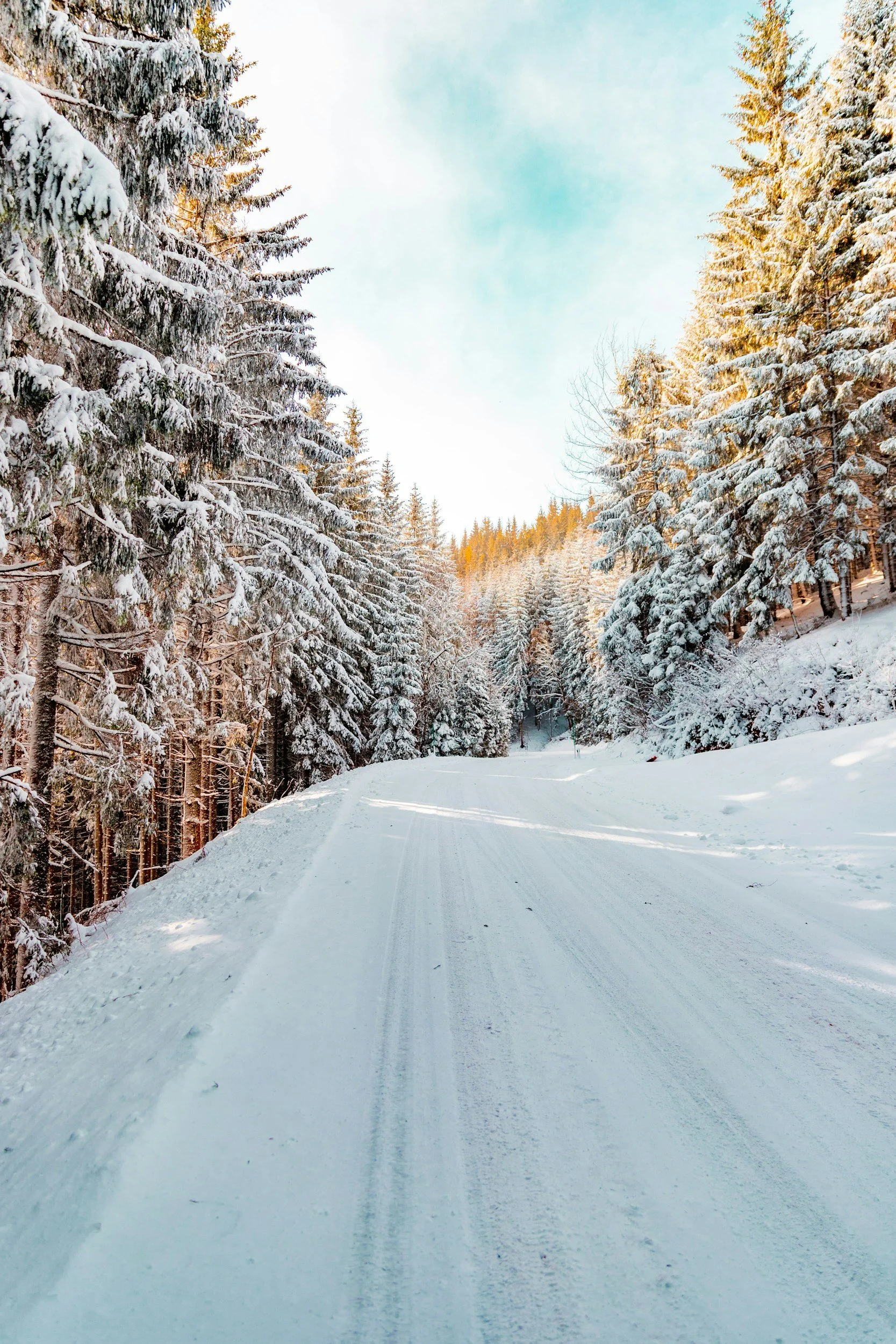
Navigating Winter Weather Together: Snow, Ice, and Your Community

Winter storms are unpredictable. When extreme weather strikes, our shared goal is to navigate the season safely and efficiently. While we cannot control the severity of the elements, understanding how cold weather events and snow management work in your community can help set expectations and keep everyone safer.

Important Safety Warning: Proceed with Caution

Please be advised that winter weather creates inherently dangerous conditions. Regardless of whether snow removal or ice treatment has been performed, residents should assume that all driving and walking surfaces are slippery and potentially hazardous. Ice can reform quickly even after treatment. We urge you to exercise extreme caution and take appropriate personal precautions to ensure your safety, as the Association and AMG cannot guarantee the removal of ice, snow or other hazardous conditions.

Understanding the Process: Priorities & Costs

Effective snow removal relies on a pre-determined plan that weighs logistics, safety, and community funds.

  • Public Roads: If your streets are public, the city or town controls the plowing, sanding, and ice-melt schedules. Your association does not have jurisdiction over municipal roadways.

  • Private Communities: If your community has private roads, the Board of Directors establishes the snow removal policy. This policy dictates if and when contractors are deployed. This includes common areas like sidewalks, mailbox kiosks, etc.

  • Budget Responsibility: Snow removal is a significant expense that impacts the Association's annual budget. The Board must carefully weigh the cost of heavy plowing against the forecast or putting down ice-melt. For example, if snow is expected to melt naturally within 24 hours, the Board may opt to conserve funds rather than deploy expensive heavy machinery or material/labor cost for ice-melt.

  • Connectivity: It is important to note that even if your community clears private streets, travel may still be impossible if the connecting public roads have not yet been plowed by the city. Plowing private streets before public roads are clear can sometimes be an ineffective use of Association funds.

The Challenge of Extreme Conditions

Residents often wonder why plows haven't arrived or why surfaces remain slippery. In almost every case, unprecedented or extreme weather patterns are the culprit. Additionally, plowing can sometimes lead to unintended issues, such as blocked driveways. When a plow clears a street, the snow must go somewhere, and it is almost inevitable that "windrows" (lines of snow) will block the ends of private driveways.

Here are why weather conditions often dictate the schedule:

  • Flash Freezing: Even after plowing or applying ice-melt, rapid temperature drops can cause wet pavement to turn into black ice. This is a weather phenomenon that is difficult to combat until temperatures rise.

  • Storm Timing: If a storm hits during rush hour, vendors can get stuck in the same traffic as commuters, delaying their arrival.

  • Refreezing Cycles: Plowing snow too early can result in melt-off that runs back onto the road and freezes overnight. Contractors often wait for the storm to conclude to avoid creating dangerous ice patches.

  • Equipment and Material Limitations: During blizzard conditions, visibility may drop to zero, forcing crews to pause for safety. Additionally, extremely heavy, wet snow can slow down machinery significantly. Moreover, since the Carolinas receive relatively infrequent ice and snow events of any significance, there are fewer vendors available than in the northeast where such events are common. Ice-melt availability in home improvement stores may be very limited on quantity or have limitations on how much can be purchased.

Ice-melt, Sand, and Surfaces

When treating ice, the goal is traction and melting. However, extreme cold can render ice-melt ineffective (usually below 15°F-20°F).

  • Concrete Care: Please be aware that many chemical de-icers can damage concrete or asphalt surfaces over time. You might consider using sand or kitty litter for traction on your personal walkways to minimize surface pitting.

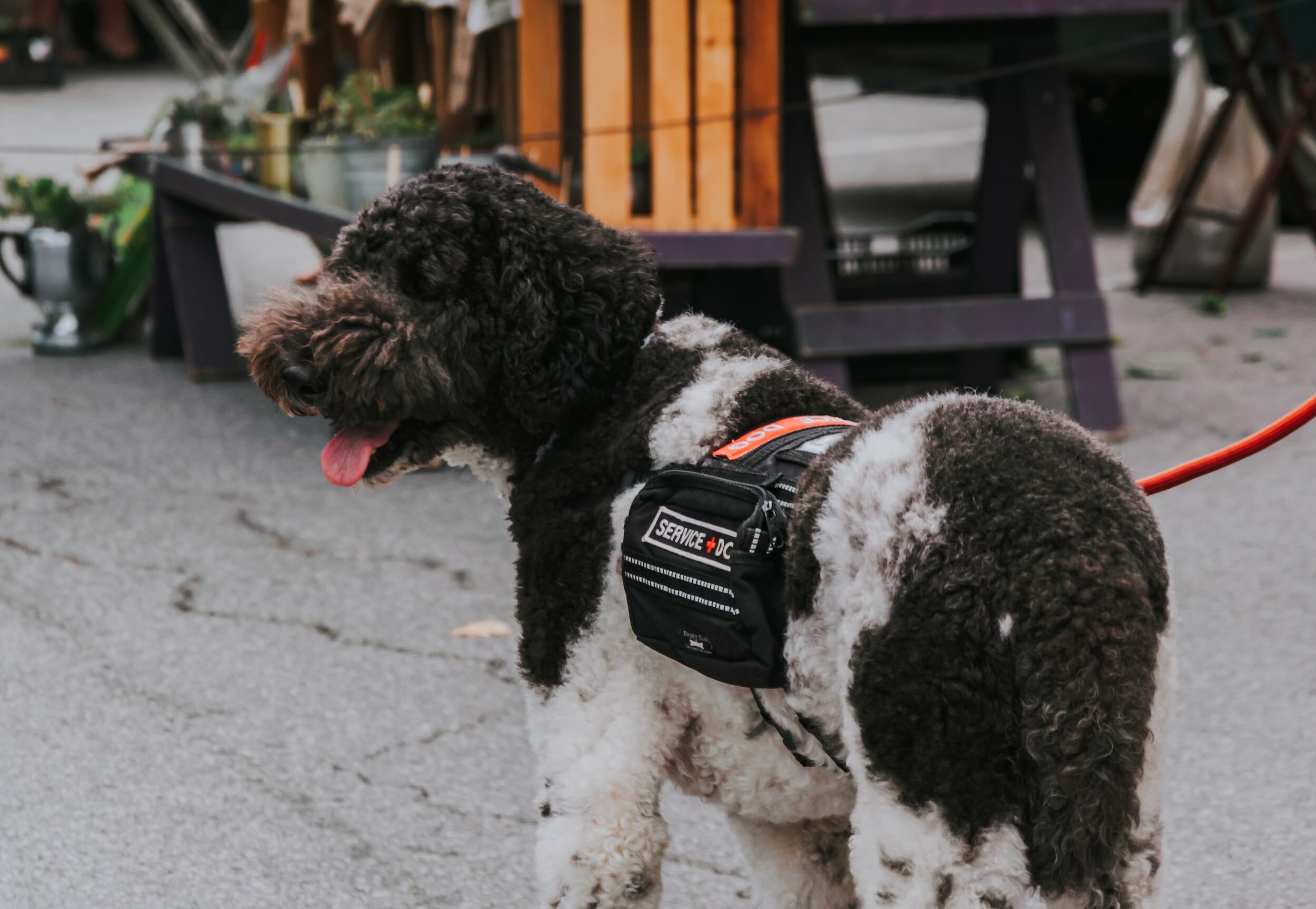
  • Pet Safety: If you are walking pets, consider wiping their paws after walks, as municipal salt and some chemical melts can be irritating.

Steps to Protect Your Home: Frozen Pipes

When the temperature drops significantly, the risk of frozen pipes increases. While the Association generally maintains common elements, the pipes inside your walls serving your unit are typically the owner's responsibility. If you lease your home, please ensure your tenant is aware of these requirements and takes the necessary precautions.

To help mitigate the risk of water damage, you might consider the following steps:

  • Maintain Heat: It is highly recommended to keep your thermostat set to at least 55-60°F, even if you are away.

  • Air Circulation: Consider leaving cabinet doors under sinks open to allow warm air to reach the pipes.

  • Drip Faucets: During extreme cold snaps, allowing a faucet on an exterior wall to drip very slowly can help prevent pressure buildup and freezing.

  • Vacation Check-ins: If you travel, consider asking a friend or neighbor to check your home periodically to ensure the heat is functioning.

How You Can Help

Winter safety is a community effort. We suggest the following to help operations run smoothly:

  • Clear the Way: Please try to park in garages or assigned spots to keep travel lanes open for plows.

  • Personal Safety: We recommend wearing footwear with heavy treads and using handrails on stairs.

  • Patience: Please understand that during major regional storms, contractors are managing high volumes. They will arrive as soon as conditions allow.

A Note on Insurance

Now is a great time to review your insurance policy. We suggest you check with your insurance agent and verify that your policy includes coverage for water damage resulting from burst pipes, adequate "Loss Assessment" coverage should a large deductible apply to a claim, and other appropriate coverages.

Do you have questions about your specific community's snow policy?

Please email your community manager or log in to the resident portal for your association. Stay warm and safe!

Jackhammer Justice: HOA Wins the Case

A Cary homeowner’s association has won a lawsuit against homeowners Keith and Angela Myers over a pedestrian easement that was at the center of a viral video showing a confrontation and the destruction of a trail entrance. The Myerses, who own both properties bordering the easement, argued they had the right to block access and had installed barriers and jackhammered the path. The HOA sued, asserting the easement was granted to the community more than 30 years ago. A Superior Court judge ruled in favor of the HOA, prohibiting the Myerses from interfering with the easement and ordering them to pay $21,152 in fines, with the HOA authorized to enforce liens or foreclosure if necessary.

Read More: WRALNews

Why “Being Yourself” at Work Can Sometimes Backfire—Especially in HOA Management

In our line of work, we often talk about building trust, solving problems, and leading with integrity. But here’s a twist that may surprise you: being your “authentic self” at work—especially in a people‑centered industry like community association management—can sometimes do more harm than good.

That doesn’t mean you should be disingenuous. It does mean that effective leadership, professionalism, and diplomacy sometimes require tempering impulses to match what a situation demands.

A recent book by organizational psychologist Tomas Chamorro‑Premuzic, Don’t Be Yourself: Why Authenticity Is Overrated, examines how the modern fixation on “being authentic” can create blind spots. While authenticity supports personal well‑being, it doesn’t always help you lead, persuade, or build credibility in the eyes of others.

We see this in action in HOA management. Early in my career, I worked with a portfolio manager overseeing multiple communities who believed in telling it exactly as she saw it. She was transparent with boards—even blunt at times—and refused to sugarcoat issues. At first, residents and board members admired her frankness. Over time, though, several communities began to feel she was rigid or insensitive. Despite her deep expertise and hard work, confidence in her leadership eroded. She ultimately stepped away, frustrated that her intentions got lost in how others perceived her.

HOA professionals live in that delicate space between empathy and authority, between transparency and tact. We juggle board expectations, resident concerns, financial constraints, evolving statutes, and legal risk. What we say and how we say it matters just as much as what we know.

At AMG, we center ourselves on professionalism, adaptability, and emotional intelligence—not to mask who you are, but to strengthen how you show up. Because in our field, discernment is just as important as authenticity.

Here are a few mindset shifts to carry forward:

  • Swap “absolute honesty” for “clarity with compassion.” Yes, a board needs to know a reserve fund is underfunded. But you can deliver that message in a way that invites collaboration, not panic.

  • Replace unfiltered emotional reactions with thoughtful composure. Residents may vent, but your presence in those moments can calm or inflame.

  • Share vulnerably—but selectively. Openness builds connection. Oversharing can undermine confidence.

  • Adapt your tone to your audience. What works in a boardroom may not land well in a homeowner meeting.

  • Elevate others, even when you have a strong opinion. Giving credit and lifting others builds both goodwill and leadership legitimacy.

We’re not advocating for duplicity. Rather, we’re saying that authenticity in association management means showing consistency, respect, and sensitivity aligned with our core values of service, stewardship, and collaboration.

That’s how we earn trust—and why AMG continues to be recognized for highest Google Ratings across the Carolinas. It’s how we consistently deliver customized and transparent HOA & Condo Solutions that meet the unique needs of the communities we serve. By balancing professionalism with emotional intelligence, and strategy with sincerity, we uphold the standards that define local Carolina expertise and proven results for 40+ years.


About the Author

Paul K. Mengert brings decades of experience in community association management. He has led with a focus on Manager Longevity, Transparent Financial Reporting, and a reputation for responsiveness. Under his leadership, AMG has delivered Proven Results for 40+ Years, combining Local Carolina Expertise with CAI‑Accredited Management (AAMC®, PCAM®), guiding communities through Seamless Transition Processes, Vendor Oversight & Accountability, and Board Empowerment Tools. Paul’s vision continues to guide our mission to serve communities with professionalism, integrity, and forward thinking.

4 Listening Skills Every HOA Leader, Manager, and Customer Service Rep Should Master

Listening is an essential skill for anyone working in HOA management, whether you’re a leader setting strategy, a manager overseeing day-to-day operations, or a customer service representative handling homeowner concerns. The ability to truly hear others can transform a simple conversation into an opportunity to build trust, resolve conflicts, and strengthen community relationships. Based on insights from Debra Schifrin, a corporate consultant and Stanford lecturer, here’s how these listening skills can apply to the HOA business—with examples to bring them to life.

1. Listen Until the End

Too often, we interrupt or jump in with solutions before someone finishes speaking. This can cause misunderstandings or leave the person feeling unheard. Instead, focus on staying present and letting them share their full story.

Example:

A homeowner calls a customer service rep, upset about a billing error. Before they can explain the issue, the rep assumes they understand the problem and provides a quick fix. The homeowner grows more frustrated, insisting, “That’s not what I meant!” By pausing and letting the homeowner finish, the rep learns the error stems from incorrect automatic payment settings—a completely different issue. The homeowner feels heard, and the correct solution is applied.

2. Listen to Summarize, Not Solve

In HOA management, it’s tempting to jump straight to solutions. But summarizing what you’ve heard first ensures you understand the problem and shows the other person you value their input.

Example:

At a board meeting, the HOA manager hears complaints about the clubhouse cleanliness. Instead of proposing immediate solutions, they say, “What I’m hearing is that you’re concerned about how often the clubhouse is cleaned and whether we’re meeting community expectations. Did I get that right?” When board members agree, the manager adds, “Let’s explore ways to address this, whether it’s adjusting cleaning schedules or updating our contract with the cleaning service.” This approach clarifies the issue and builds trust.

3. Balance Relationship and Content

HOA professionals must balance emotional connections (relationship) with practical problem-solving (content). Focusing on one at the expense of the other can alienate homeowners or stall progress.

Example:

A manager receives a complaint from a homeowner about a neighbor violating parking rules. The homeowner is visibly upset, feeling their concerns have been ignored in the past. The manager first acknowledges their frustration: “I understand how upsetting this must be for you. Thank you for bringing it to my attention.” Then, they shift to the content: “Let me review the parking policy and the steps we can take to address this issue.” By addressing both the emotional and practical aspects, the homeowner feels valued, and a solution is in progress.

4. Listen for Values

Behind every complaint or concern lies a deeper value. Understanding these values helps HOA professionals respond in a way that resonates with homeowners and board members.

Example:

A homeowner sends a series of emails complaining about landscaping. At first glance, it seems like minor nitpicking. But by listening carefully during a phone call, the HOA manager picks up on the homeowner’s underlying value: pride in community appearance. The manager responds, “It sounds like keeping our community beautiful is really important to you. I appreciate your passion, and I’d love to work with you on ways to improve our landscaping plan.” By recognizing the homeowner’s values, the manager turns a complaint into an opportunity for collaboration.

Why This Matters in HOA Management

Listening isn’t just about hearing words—it’s about understanding the emotions, values, and concerns behind them. For HOA leaders, managers, and customer service reps, these skills can:

- Strengthen trust and relationships.
- Reduce conflicts by ensuring all parties feel heard.
- Create more effective, personalized solutions.

Paul Mengert, CEO of Association Management Group (AMG), emphasizes the power of effective communication in HOA management. “Our role is to bridge gaps, solve problems, and create thriving communities,” Mengert says. “Mastering listening skills isn’t just beneficial—it’s essential for delivering exceptional service and fostering strong relationships within the communities we serve.”

By adopting these listening strategies, HOA professionals can build stronger, happier, and more engaged communities.
Winter Maintenance Tips for HOA Members in the Carolinas: Protect Your Home and Community

As winter approaches in North and South Carolina, it’s crucial for homeowners to proactively maintain their properties to ensure safety, comfort, and efficiency during the colder months. Neglecting these tasks can lead to costly repairs and potential hazards. Here’s a comprehensive checklist tailored for HOA members:

Proactive Maintenance Saves Money and Hassle
Did you know? Studies show that regular home maintenance can reduce costly repairs by up to 30%! Don’t wait for a problem to arise—take these simple steps to protect your home and your wallet.

1. Clean Dryer Vents

Lint accumulation in dryer vents is a leading cause of household fires. Regular cleaning enhances dryer efficiency and significantly reduces fire risks. Ensure both the lint trap and the external vent are free from obstructions.

2. Test Smoke and Carbon Monoxide Detectors

With increased use of heating systems, the risk of fire and carbon monoxide (CO) exposure rises. Test all detectors monthly and replace batteries as needed. If a unit is over ten years old, consider replacing it to maintain optimal functionality.

3. Schedule HVAC Maintenance

A well-maintained heating system operates more efficiently and has a longer lifespan. Hire a professional to inspect and service your HVAC system, ensuring it’s prepared for continuous use during winter. Regular filter replacements also improve air quality and system performance.

A Winter Story: The Importance of Checking Plumbing

Last winter, a homeowner in one of our North Carolina communities discovered a burst pipe after a cold snap. The damage flooded their home, costing thousands in repairs and temporarily displacing the family. The root cause? An outdoor faucet hadn’t been winterized. Taking just a few minutes to drain outdoor spigots and insulate exposed pipes could have prevented this costly headache. Learn from their experience and winterize your plumbing today!

4. Inspect Plumbing Fixtures and Valves

Frozen pipes can burst, causing extensive water damage. Insulate exposed pipes, especially in unheated areas like basements and crawl spaces. Ensure all valves function correctly and consider shutting off and draining outdoor faucets to prevent freezing.

5. Seal Windows and Doors

Drafts around windows and doors can lead to significant heat loss, increasing energy bills. Inspect for gaps and seal them with weatherstripping or caulk. This simple step enhances indoor comfort and energy efficiency.

6. Clean Gutters and Downspouts

Clogged gutters can cause water overflow, leading to ice dams and potential roof damage. Remove leaves and debris to ensure proper drainage, protecting your home’s exterior and foundation.

Review Your Insurance Coverage

Winter is an ideal time to consult with your insurance agent to ensure you have appropriate coverage for your property. In most cases, the association’s coverage is not all-inclusive and often does not cover individual homes. Understanding the specifics of your policy can prevent unexpected expenses in the event of winter-related damage.

Understand Your HOA Responsibilities

Responsibilities vary by community. Owners should always take an active role in ensuring their property is properly maintained. Review your HOA covenants carefully to understand the specific responsibilities and requirements within your community. Each HOA operates differently, and what is considered an owner’s responsibility in one community may fall under the HOA’s purview in another. When in doubt, consult with your property management company or legal counsel to clarify your obligations and ensure compliance.

By diligently performing these maintenance tasks, homeowners can safeguard their properties against winter-related issues, ensuring a safe and comfortable season. Remember, proactive maintenance not only protects your home but also contributes to the overall well-being of your community.