Building shuttered after massive fire scorches condo complex

A fire at Shallowbag Bay in Manteo early Wednesday morning caused major damage to a six-unit building, leaving 10 people without homes. Five of the six units were occupied at the time, but all residents were able to evacuate safely, thanks in part to working smoke alarms. Three units were heavily damaged by flames while the others suffered smoke and water damage, and the building has been declared uninhabitable. Local first responders quickly contained the fire, and organizations like the Red Cross and community members are now helping displaced families as the cause of the fire remains under investigation.

Read More: WTKR

Editors Note: AMG recommends Boards meet annually with their insurance professionals and attorneys to review community’s insurance. 

Dream Condo Turned Nightmare: Buyers Left Waiting After Project Halts

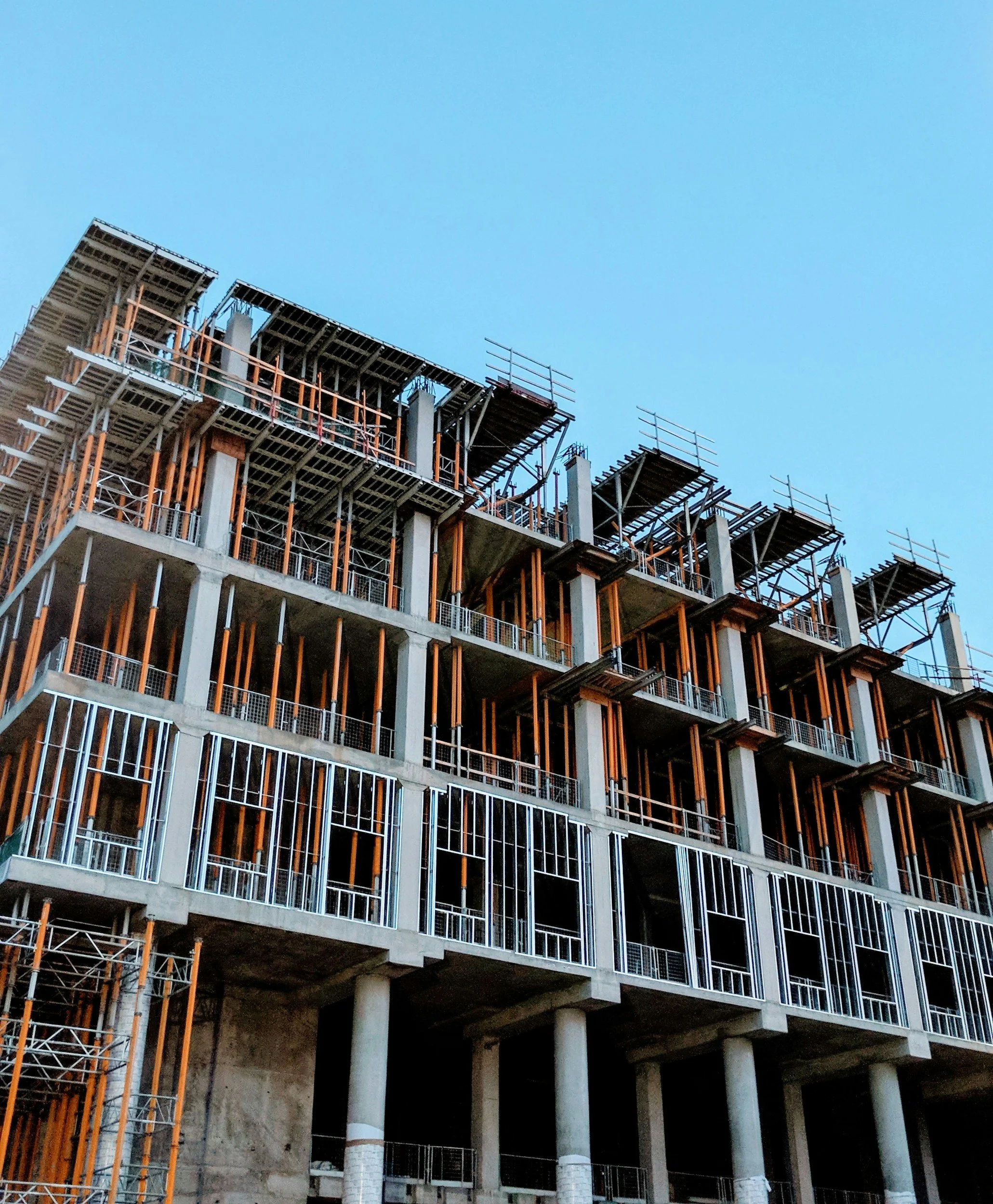
Two buyers who paid deposits for units at the stalled Prosperity Luxury Condominiums project in Charlotte are now demanding their money back after construction halted and questions about completion went unanswered. Leshawn Tilman and Edward Hill paid roughly $15,000 and $28,000 respectively, hoping to secure housing for their families, but the development has remained unfinished for more than two years. A WBTV investigation found multiple liens filed by subcontractors who claim they were not paid, along with a 2023 lawsuit involving the developer, Wagener Properties Charlotte. The developer has not responded to requests for comment, leaving the buyers frustrated and seeking refunds for their deposits.

Read More: WBTV

When $100 Turns Dangerous: The HOA Fine That Nearly Took a Home

A $100 HOA fine over an alleged “commercial vehicle” parking violation escalated into a yearslong legal battle for Charlotte homeowner Jeffrey Baldwin, including an attempted foreclosure on his home. The case ended when the HOA withdrew its foreclosure petition, prompting Baldwin to call for greater accountability and reform, noting that many homeowners lack the resources to fight similar actions. The situation has drawn attention from state lawmakers, who previously proposed legislation to cap HOA fines and require due process before foreclosure, though the bill stalled in the House. Baldwin’s case highlights growing concerns over HOA enforcement power and the need for clearer protections for homeowners in North Carolina.

Read More: WBTV

Editor’s Note from Association Management Group (AMG):

This case is a timely reminder for community leaders: courts and legislatures are increasingly scrutinizing how associations enforce collections and compliance. While every association has a duty to uphold its governing documents, the methods used—especially in pursuing fines or assessments—matter greatly.

At AMG, we advocate for common-sense restraint and thoughtful decision-making. Before taking legal action, boards should consider a formal review process that weighs not only the amount owed but also the proportionality and potential community impact of the enforcement action.

Associations are strongly encouraged to consult with legal counsel experienced in HOA and condominium law. Legal advisors can help ensure that any action taken is appropriate under current statutes, consistent with the association’s governing documents, and reasonably aligned with the scale of the issue.

When boards act without this kind of deliberate evaluation, they may inadvertently invite legislative reforms that impose inflexible, one-size-fits-all mandates—limiting future discretion in nuanced cases.

AMG remains committed to helping communities navigate these complexities with integrity, fairness, and a long-term view of effective governance.

Wise Empathy in HOA Leadership: Supporting Without Burning Out

In community association management, emotional intelligence is just as critical as budgeting or vendor oversight. Whether you’re a seasoned HOA board member or a new community manager, learning how to practice wise empathy—the kind that supports without overwhelming—can strengthen relationships, improve morale, and reduce burnout.

At Association Management Group (AMG), we’ve seen firsthand how empathetic leadership paired with proven results for 40+ years makes communities not only more functional—but more livable.

Read the Emotional Context

A newly elected board treasurer in a mid-sized North Carolina HOA—let’s call him Carlos—called his Dedicated Board Liaison in a panic. He’d just reviewed the reserve study and was convinced the association was heading for financial trouble.

Instead of reacting, the manager paused and assessed the emotion behind the urgency: fear, not frustration. By slowing down, acknowledging his concerns, and walking through the budget optimization plan, she helped him shift from anxious to informed.

Board training and education in emotional intelligence helps leaders respond—not react—to situations like these.

Regulate Your Own Emotions

Community management often involves navigating strong feelings—especially in moments of conflict. At a recent annual meeting in a coastal Carolina community, a homeowner challenged the board over increased assessments.

The CAI-accredited manager (PCAM®) remained calm and composed. By regulating their own response and keeping the focus on facts, they prevented a tense exchange from derailing the meeting. That’s the power of manager longevity and experience.

Choose the Right Empathy Mode

Wise empathy is about choosing your response intentionally.

When a maintenance team completed repairs ahead of schedule, a quick celebratory message from their manager amplified morale. That’s part of community engagement programs—not just fixing what’s broken, but recognizing what’s working.

Conversely, when a team member was overwhelmed by repeated vendor delays, their manager responded with compassion, not solutions. Emotional context matters in vendor oversight & accountability, too.

Check How It Lands

A manager once followed up with a board president after a contentious meeting, thinking she was being helpful. But his response surprised her: “I didn’t need solutions—I just wanted to be heard.”

Feedback like this is essential. AMG’s approach includes transparent financial reporting and collaborative processes, but also the soft skills that make those systems work.

Wise empathy means being open to the idea that what you intended might not be what someone received—and adjusting accordingly.

Reflect and Recalibrate

After every emotional exchange, take a moment to reflect. Did the conversation bring clarity or confusion? Did you stay grounded?

This kind of internal check-in builds resilience—and better leaders. At AMG, we coach our team to learn from every interaction, using a mix of board empowerment tools, legal liaison services, and conflict resolution support.

Why It Matters for HOA Boards and Managers

Emotional intelligence isn’t fluff—it’s foundational. Practicing wise empathy helps board members connect, reduces burnout among managers, and makes it easier to build trust with homeowners.

In high-stakes environments like HOAs and condos, wise empathy paired with the right management support leads to stronger, more resilient communities.

AMG’s commitment to local Carolina expertise, 24/7 emergency response, and customized HOA & condo solutions ensures our managers are equipped not just to solve problems—but to support people.

Need support from a management partner who leads with empathy and expertise? Discover AMG’s difference—from our seamless transition process to our reputation for highest Google ratings—at AMGworld.com
Hidden HOA Leaves Homeowner with a Costly Shock

A High Point homeowner was shocked to learn she owed thousands in HOA dues after four years of being told her property was not part of an association. Despite a warranty deed and assurances from her real estate agent and closing attorney stating no HOA existed, an inactive association resurfaced and legally pursued more than $4,000 in back dues, placing a lien on her home. The situation forced her to withdraw retirement funds until a News 2 investigation revealed the error should have been caught during closing. After the intervention, the agents and attorney paid the balance, the lien was lifted, and the case was resolved, highlighting the risks of relying solely on seller disclosures without verifying public records.

Read More

Why “Being Yourself” at Work Can Sometimes Backfire—Especially in HOA Management

In our line of work, we often talk about building trust, solving problems, and leading with integrity. But here’s a twist that may surprise you: being your “authentic self” at work—especially in a people‑centered industry like community association management—can sometimes do more harm than good.

That doesn’t mean you should be disingenuous. It does mean that effective leadership, professionalism, and diplomacy sometimes require tempering impulses to match what a situation demands.

A recent book by organizational psychologist Tomas Chamorro‑Premuzic, Don’t Be Yourself: Why Authenticity Is Overrated, examines how the modern fixation on “being authentic” can create blind spots. While authenticity supports personal well‑being, it doesn’t always help you lead, persuade, or build credibility in the eyes of others.

We see this in action in HOA management. Early in my career, I worked with a portfolio manager overseeing multiple communities who believed in telling it exactly as she saw it. She was transparent with boards—even blunt at times—and refused to sugarcoat issues. At first, residents and board members admired her frankness. Over time, though, several communities began to feel she was rigid or insensitive. Despite her deep expertise and hard work, confidence in her leadership eroded. She ultimately stepped away, frustrated that her intentions got lost in how others perceived her.

HOA professionals live in that delicate space between empathy and authority, between transparency and tact. We juggle board expectations, resident concerns, financial constraints, evolving statutes, and legal risk. What we say and how we say it matters just as much as what we know.

At AMG, we center ourselves on professionalism, adaptability, and emotional intelligence—not to mask who you are, but to strengthen how you show up. Because in our field, discernment is just as important as authenticity.

Here are a few mindset shifts to carry forward:

  • Swap “absolute honesty” for “clarity with compassion.” Yes, a board needs to know a reserve fund is underfunded. But you can deliver that message in a way that invites collaboration, not panic.

  • Replace unfiltered emotional reactions with thoughtful composure. Residents may vent, but your presence in those moments can calm or inflame.

  • Share vulnerably—but selectively. Openness builds connection. Oversharing can undermine confidence.

  • Adapt your tone to your audience. What works in a boardroom may not land well in a homeowner meeting.

  • Elevate others, even when you have a strong opinion. Giving credit and lifting others builds both goodwill and leadership legitimacy.

We’re not advocating for duplicity. Rather, we’re saying that authenticity in association management means showing consistency, respect, and sensitivity aligned with our core values of service, stewardship, and collaboration.

That’s how we earn trust—and why AMG continues to be recognized for highest Google Ratings across the Carolinas. It’s how we consistently deliver customized and transparent HOA & Condo Solutions that meet the unique needs of the communities we serve. By balancing professionalism with emotional intelligence, and strategy with sincerity, we uphold the standards that define local Carolina expertise and proven results for 40+ years.


About the Author

Paul K. Mengert brings decades of experience in community association management. He has led with a focus on Manager Longevity, Transparent Financial Reporting, and a reputation for responsiveness. Under his leadership, AMG has delivered Proven Results for 40+ Years, combining Local Carolina Expertise with CAI‑Accredited Management (AAMC®, PCAM®), guiding communities through Seamless Transition Processes, Vendor Oversight & Accountability, and Board Empowerment Tools. Paul’s vision continues to guide our mission to serve communities with professionalism, integrity, and forward thinking.

HOA Manager AMG Announces Good News for Community Associations: Federal Court Halts CTA Filing Requirements Nationwide

Association Management Group (AMG) announced that a federal court has issued a preliminary nationwide injunction halting the enforcement of the Corporate Transparency Act (CTA) filing requirements. The CTA aims to combat financial crimes by requiring organizations, including HOAs, to disclose beneficial ownership information, but the court cited concerns about compliance costs and data privacy. AMG advises community associations to hold off on filing and consult their attorneys for guidance. AMG remains dedicated to informing and supporting associations while offering tailored management services across the Carolinas.

Read More: PRWeb