Horry County tops annual statewide HOA complaints

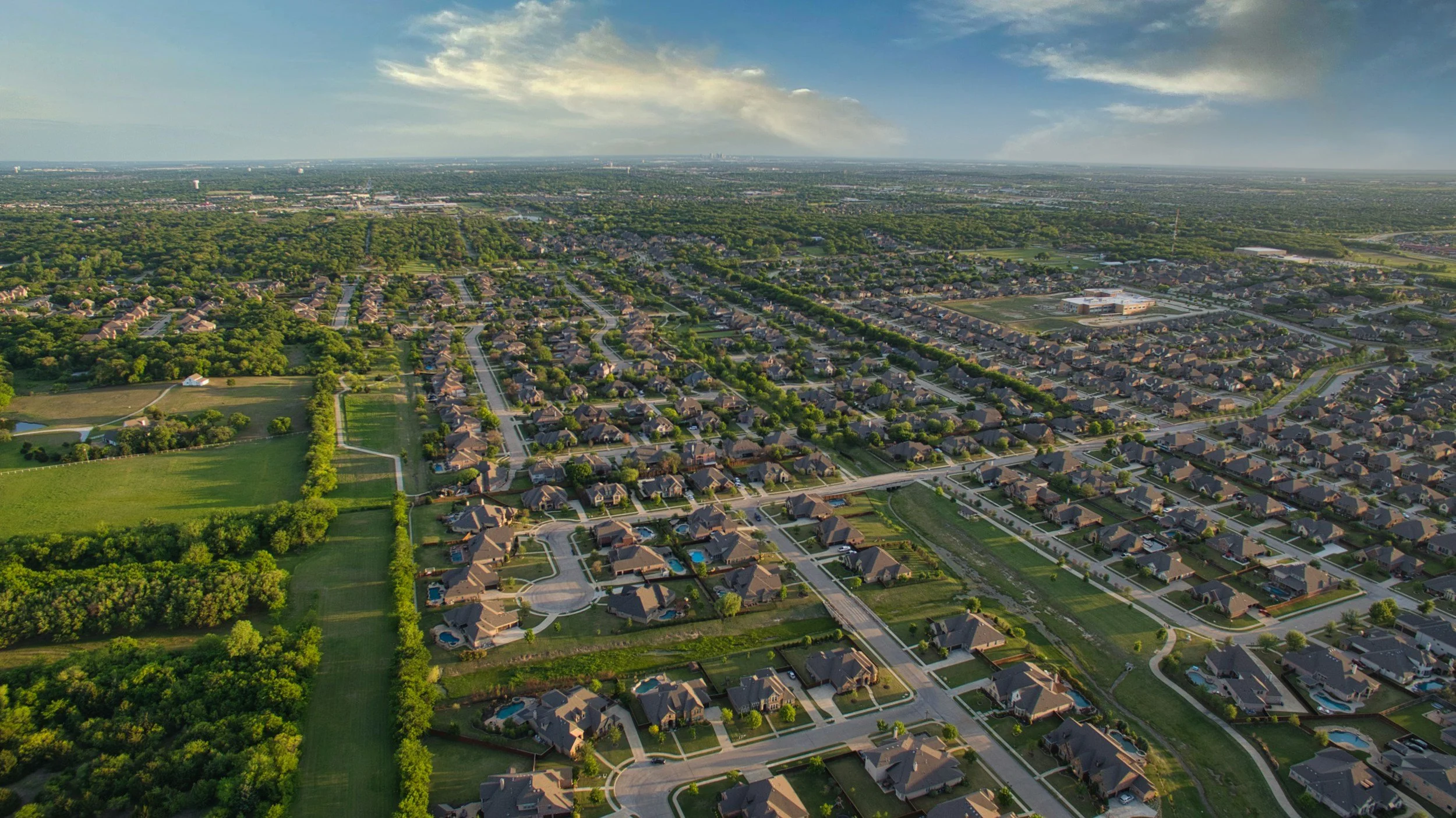
Horry County recorded the highest number of homeowner association (HOA) complaints in South Carolina in 2025, with 140 filed, according to the South Carolina Department of Consumer Affairs. Statewide, HOA complaints have risen 176% since 2019, with 586 complaints reported across 23 counties in 2025. Many concerns involved issues such as enforcement of bylaws, access to records, disputes over fees and assessments, maintenance problems, and board transparency. Several communities received multiple complaints, with River Oaks Golf Villas HOA reporting the highest total in the county.

Read More: TheSunNews

Hidden HOA Leaves Homeowner with a Costly Shock

A High Point homeowner was shocked to learn she owed thousands in HOA dues after four years of being told her property was not part of an association. Despite a warranty deed and assurances from her real estate agent and closing attorney stating no HOA existed, an inactive association resurfaced and legally pursued more than $4,000 in back dues, placing a lien on her home. The situation forced her to withdraw retirement funds until a News 2 investigation revealed the error should have been caught during closing. After the intervention, the agents and attorney paid the balance, the lien was lifted, and the case was resolved, highlighting the risks of relying solely on seller disclosures without verifying public records.

Read More

Voting by Written Ballot

This article was originally published on November 8, 2025 by Harmony Taylor for the Law Firm Carolinas Blog.

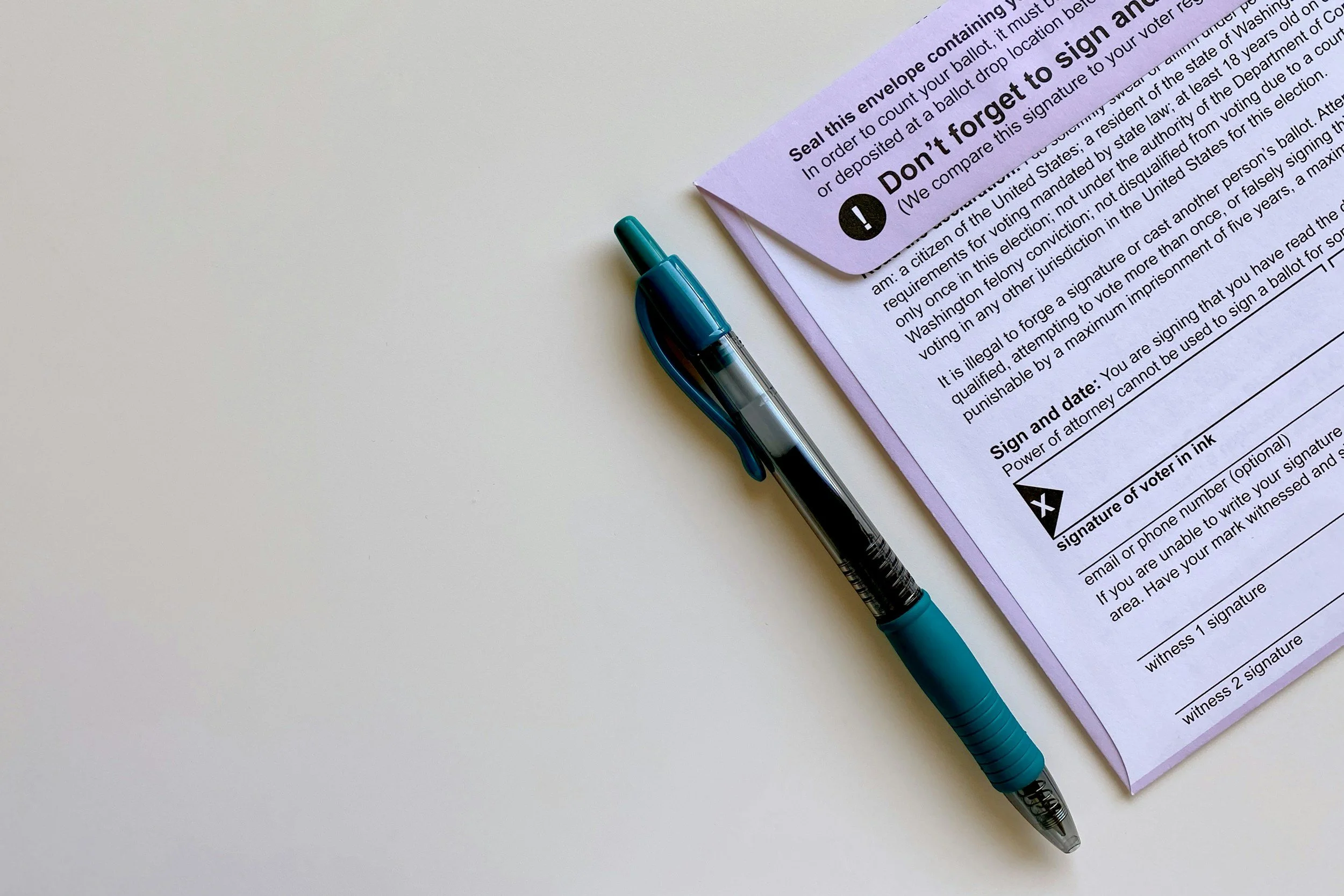
In North Carolina, written ballots play a critical role in the decision-making processes of homeowner, property and condominium associations. It can be difficult to establish quorum at a meeting, much less to get the higher thresholds needed for votes on amendments to governing documents. Most of the associations we work with use written ballots or written agreements when they wish to conduct important votes on amendments or votes to approve special assessments. This blog addresses the written ballot process; other blogs address the written agreement process.

The vast majority of community associations in North Carolina are nonprofits incorporated under Chapter 55A of the General Statutes, the Nonprofit Corporation Act.  NCGS 55A-7-08 states that unless prohibited or limited by the articles of incorporation or bylaws, any action that may be taken at any annual, regular or special meetings of members may be taken without a meeting by written ballots or electronic voting. There are particular nuances to electronic ballot voting and anyone considering using this as a means of voting may wish to review our other blogs on this topic, linked here. However, whether the ballot is distributed physically or electronically, a few basic rules apply.

First, the ballot must be clear and communicate exactly what proposal is being made, and provide the voting party the option to vote for or against the proposition. The ballot should stand on its own, with any proposed new language or item for vote set out on the ballot itself. It is typically not sufficient to reference a previously distributed document or instruct someone to go to another source to review the proposal.

Second, the ballot must state a deadline by which it must be received to be counted. Referencing a “return by” date is not the same thing, as someone may place a ballot in the mail by the stated date, resulting in the ballot’s delivery to the association post the preferred deadline. The statute references a receive by date, and that is what should be referenced on the ballot.

Third, and importantly, ballot deadlines cannot be extended once published. If a deadline comes and goes and an association comes up one or two votes short, it has to start over with a new vote-and everyone who previously voted in favor will have to do so again, or their vote won’t count. It is important that associations choose realistic deadlines when they prepare a ballot. A short window (30 days or less) may be fine for a small community, where most owners are local and responsive, but even then it is best to adhere to and avoid a vote around holidays or other periods when many owners will be traveling and not checking mail. In larger communities, where a door-to-door operation may be needed, or where you have a less responsive membership, deadlines of 60-90 days out are more likely reasonable. There is no legal limit on the duration of the deadline an association can use, however, Boards and their managers should work with their attorneys to carefully weigh the need to balance a reasonable sense of urgency with the actual time it will take to receive enough votes back to matter.

Finally, provide members with as many options as possible for return of the ballot. Electronic ballots are automatically returned to the voting platform. Paper ballots can be returned by mail, but ballots can also be scanned and emailed to the association, and hand delivered to a board member or drop box at a clubhouse or other location and remains a great way to collect ballots.

In summary, best practices for ballots:

  1. Allow reasonable time for return.

  2. Clearly communicate specific items up for a vote.

  3. Send reminders!

  4. Make return convenient, with multiple return options.

If you have questions about ballots, or any other community association voting issue, please reach out to the attorneys at Law Firm Carolinas.

Source: LawFirmCarolinasBlog

Attorneys Charles Meier and Bonnie Braudway Join Law Firm Carolinas

This article was originally published on October 28, 2025 by Law Firm Carolinas for the Law Firm Carolinas Blog.

Law Firm Carolinas is pleased to announce that the attorneys from Marshall Williams & Gorham, one of Wilmington’s oldest law firms, will join the firm on November 1. For more than 60 years, Marshall Williams & Gorham has served clients throughout southeastern North Carolina in civil litigation, real estate, business, community association (HOA/condo), and estate matters.

Joining Law Firm Carolinas’ statewide community association practice are Charles Meier and Bonnie Braudway.

Charles Meier brings more than 40 years of legal experience representing community associations, real estate, construction, foreclosure, and commercial clients. He has appeared before state and federal courts, including the North Carolina Supreme Court and the U.S. Court of Appeals for the Fourth Circuit. Meier holds an AV Preeminent rating from Martindale-Hubbell and earned both his B.A. and J.D. from the University of North Carolina at Chapel Hill.

Bonnie Braudway has practiced law for 19 years and focused on community association law since 2009. She represents homeowner, condominium, and townhouse associations across North Carolina and is an active member and speaker for the Community Associations Institute (CAI). A Boone native, Braudway earned her B.A. (cum laude) from UNC Wilmington and her J.D. (cum laude) from Campbell University School of Law.

With offices in North Carolina (Charlotte, Greensboro, Raleigh, Wilmington) and South Carolina (Greenville), Law Firm Carolinas provides legal services in community association law, real estate, business, litigation, family law, and estate planning. The addition of Meier and Braudway expands the firm’s strength and reach across the Carolinas.

Source: LawFirmCarolinasBlog

When Your ‘No HOA’ Home Suddenly Has One

A High Point homeowner was blindsided when an inactive HOA resurfaced years after her 2019 home purchase, demanding thousands in back dues despite her deed indicating no association existed. Confused and facing a lien, she discovered the HOA had always legally existed—errors by her real estate agents and closing attorney had misled her. Forced to dip into retirement savings, she ultimately received relief when those parties agreed to pay the full amount and the lien was removed. Her case highlights the importance of verifying HOA status through public records rather than relying solely on disclosures or assumptions.

Source: WFMYNews2

Why HOA Boards Should Celebrate Small Wins—And How It Builds Stronger Communities

There’s a surprising truth I’ve learned in over two decades of working with homeowner associations: the most effective boards aren’t just good at solving problems—they’re also good at noticing progress.

That might sound simple, even trivial, when you’re facing rising insurance premiums, aging infrastructure, or contentious meetings. But recognizing and celebrating small victories isn’t self-indulgence. It’s a critical leadership tool—especially in the high-stakes, volunteer-driven world of HOA and condo board governance.

Why Boards Struggle to Celebrate

In community management, the pressure never really lifts. Even after resolving a budget shortfall or completing a long-awaited capital project, there’s always another challenge on the horizon—an inspection, a complaint, a deadline.

I remember a board president I worked with in a mid-sized Carolina town—let’s call her Sheila. Her community had just completed a major stormwater repair project under budget and with minimal disruption. But at the final board meeting, she brushed right past the success. “We’ve got to move on to the clubhouse roof,” she said, barely pausing to acknowledge what the team had just achieved.

This kind of forward-only motion is common. Many board members feel awkward drawing attention to success, especially in volunteer roles where public praise is rare and scrutiny is constant. Others think celebrating wins could appear boastful to neighbors who are more vocal about what’s broken than what’s been fixed.

But that mindset can lead to burnout—and worse, it deprives communities of the confidence and energy that comes from building on momentum.

The Real Costs of Skipping Celebration

Leadership researcher Lan Nguyen Chaplin writes that “when leaders constantly push forward without stopping to mark their progress, they risk more than burnout. They deprive themselves of a buffer against stress, a source of motivation, and the mood lift that fuels creativity and good judgment.”

That’s not just corporate wisdom—it applies directly to HOA life.

When your board takes time to reflect on a successful vote, a resolved dispute, or a well-run event, it sends a message: We’re making progress. We’re not just managing problems—we’re improving our neighborhood.

And that message matters, especially when trying to keep volunteers engaged and neighbors informed.

Three Simple Ways HOA Boards Can Celebrate Wins

1. Make Progress Visible

After finishing a big project—whether it’s a repaving effort or rewriting outdated bylaws—don’t just file the final report. Share the milestone.

Create a short community update with before-and-after photos. Thank the volunteers, the manager, and the vendors involved. If you work with a professional management company like AMG, your dedicated board liaison can help craft that message and distribute it effectively—so it lands with the right tone.

2. Protect Space for Reflection

Use the last five minutes of each board meeting to go around and name one thing that went well—big or small. This can be especially powerful during stressful periods. As one AMG-managed board in the Carolinas shared during a training session, this practice helped rebuild trust and morale after a contentious assessment decision.

3. Redefine Celebration

Celebration doesn’t have to mean a banner or a party. Sometimes it’s just acknowledging that you’ve crossed something off a long and difficult list. One treasurer we worked with used to email the board a “quiet win of the week”—a small financial oversight that was corrected or a reserve fund target met. Those quick notes built confidence without fanfare.

Why It Matters

HOA boards often deal with the emotional weight of decisions that affect people’s homes, finances, and quality of life. That’s no small burden.

When boards take time to pause and appreciate their efforts, they build resilience—not just for themselves, but for their communities.

At AMG, we’ve seen how regular reflection and recognition lead to healthier boards and smoother operations. It’s part of our Board Empowerment Tools and Community Engagement Programs—strategies designed to make sure your board isn’t just surviving, but thriving.

So, whether you’ve just finalized next year’s budget, resolved a months-long dispute, or got everyone to agree on new pool furniture—take a moment. Celebrate the win.

Because the more your board sees what’s working, the more capable you feel when the next challenge arrives.

About the Author

Paul Mengert is the Founder and CEO of Association Management Group (AMG), a Carolina-based company that has provided professional community association management services for over 40 years. A graduate of Harvard Business School’s OPM and a nationally recognized leader in the community management industry, Paul has trained thousands of HOA board members and managers and board members across the country. Under his leadership, AMG has become known for manager longevity, board empowerment, transparent financial reporting, and a reputation for responsiveness. Paul is a longtime member of the Community Associations Institute (CAI) and a strong advocate for ethical, well-governed, and resident-focused communities.

Backyard Chickens? Not Without HOA Approval

A Missouri judge has ruled that homeowners associations and local governments can once again regulate backyard chickens, overturning a 2024 state law that allowed property owners to keep up to six hens without restriction. The decision came after Four Seasons Lakesites, a large Lake Ozark community, sued the state, arguing the law interfered with reasonable HOA covenants. Judge Brian Stumpe found the law unconstitutional for violating Missouri’s “single subject” rule, rendering it invalid. The ruling is being hailed as a major victory for community associations and their right to self-govern.

Source: Komu

When Machines Know Everything, Humans Must Grow Wisdom

In a world where AI knows everything, true leadership lies in cultivating what machines cannot—wisdom, trust, and human connection. Modern leaders are shifting from engineers to gardeners, nurturing environments where people and ideas can grow organically. Leadership today is less about control and more about coherence, balancing structure with adaptability and purpose with empathy. The future belongs to those who turn knowledge into understanding and understanding into lasting value.

Source: DruckerForum

Behind Open Doors: Why Transparency Builds Stronger Communities

Transparent communication between HOA boards, managers, and residents is key to maintaining trust and harmony within a community. When communication breaks down, residents often feel disconnected, leading to frustration, conflict, and even legal disputes. While personal and confidential information must remain private, most community business should be conducted openly through regular updates, accessible records, and open meetings. By embracing transparency and using tools like newsletters, portals, and virtual meetings, boards can build stronger relationships, reduce complaints, and create more informed, cooperative communities.

Source: CooperatorNews

Adam Marshall Elected to Greensboro City Council

This article was originally published on November 5, 2025 by Law Firm Carolinas for the Law Firm Carolinas Blog.

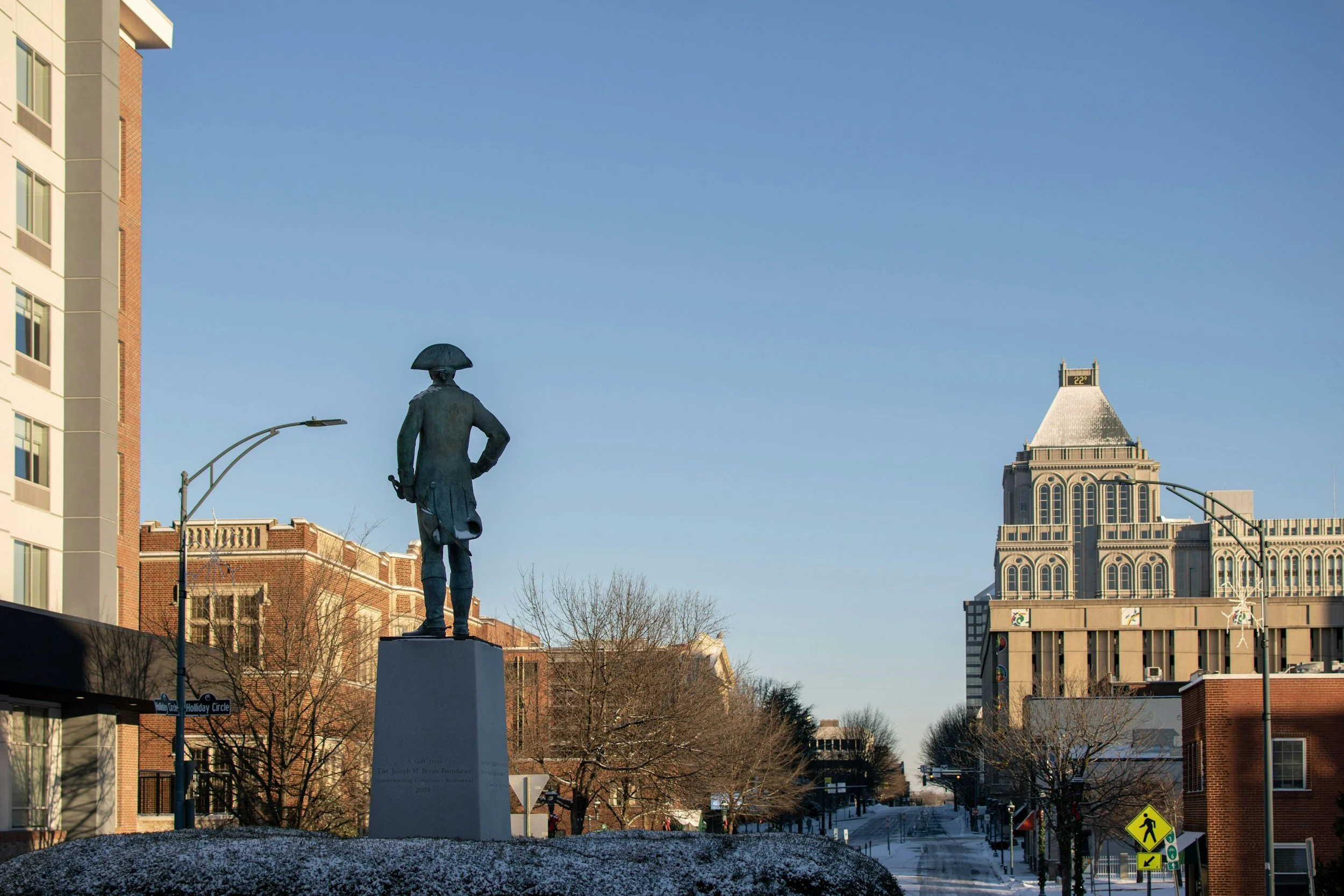
Congratulations to Law Firm Carolinas partner Adam Marshall, who has been elected to the Greensboro City Council.

A lifelong Greensboro resident and experienced attorney, Adam has long served the city through leadership (often as Chair) on key commissions and boards, including the:

  • Human Relations Commission

  • Board of Adjustment

  • Zoning Commission

  • Criminal Justice Advisory Commission

  • Alcohol Beverage Control (ABC) Board

He ran a positive campaign and secured a commanding victory, by capturing 67% to 33% of the votes—an impressive achievement in these divisive times.

Adam’s solid understanding of city government, steady temperament, and interest in working with others to find practical solutions will make him an excellent member of the Greensboro City Council.

Congratulations, Adam!

Source: LawFirmCarolinas

Palmetto State Ranks High in HOA Living

South Carolina ranks ninth nationwide for the highest percentage of households paying HOA or condo fees, with 34.4% contributing, according to new U.S. Census Bureau data. The state’s average monthly fee is $94, below the national median of $135. With about 7,400 HOA and condo communities statewide, top complaints to the South Carolina Department of Consumer Affairs include failure to enforce covenants, maintenance issues, and fee disputes—most coming from Horry, Richland, and Charleston counties.

Read More: IslandPacket

DIY Mailbox Sparks HOA Action

Kenn and Wendy Francis of Conway went 21 days without mail after moving into their new home in Wild Wing Plantation because their HOA had not installed their mailbox. Frustrated, Kenn created a makeshift mailbox out of a plastic food container and posted about it online, drawing attention to the issue. The HOA’s management company, Waccamaw Management, claimed it was the homeowner’s responsibility to purchase and install a specific “signature” mailbox, while Francis said he was never told that and hadn’t received the HOA’s rule packet. After multiple calls and visits, and following media coverage of the situation, the HOA finally installed the proper mailbox on October 15, 2025.

Read More: AMPmyrtlebeach

Home Equity Increase Nationwide: What It Means for Carolina HOA and Condo Communities

During the housing bubble of the mid-2000s, mortgage debt ballooned to more than 70% of the nation’s GDP. Today, that number sits closer to 45%. At the same time, household real estate values have surged to roughly 160% of GDP—far higher than the 120% mark we saw at the turn of the millennium.

Put simply: most homeowners today enjoy a large equity cushion.

Why This Matters in Your Community

For individual owners, equity provides peace of mind. For neighborhoods governed by HOAs and condos, it provides resilience and opportunity:

  • Financial resilience: Owners with substantial equity are less likely to walk away from their homes in hard times, protecting community stability.

  • Property value preservation: Equity-rich communities tend to maintain higher property values, benefiting every resident.

  • Confidence in planning: Boards making tough decisions—whether it’s funding reserves, investing in infrastructure, or tackling deferred maintenance—can move forward knowing most owners have a solid financial foundation.

A Story from the Boardroom

In one community we worked with, the board faced a tough decision: whether to move forward with a costly roof replacement project. No one welcomed the idea of higher assessments, but the conversation shifted when members considered the broader picture. Stronger homeowner equity meant that, while the expense was real, neighbors were still building long-term value in their properties. In the end, the board chose to invest in the project—not just to fix a roof, but to help protect the community’s future stability. 

Their confidence came from recognizing equity as more than a personal financial number; it was a shared strength that supported sound decision-making.

How Strong Management Protects Equity

Equity cushions don’t remove the need for careful planning. Costs for insurance, utilities, and vendor services continue to rise. That’s where professional management helps keep the balance. A CAI-accredited firm like AMG supports boards with:

  • Transparent financial reporting to help owners see where their money goes.

  • Proactive maintenance planning that protects the physical and financial health of the community.

  • Vendor oversight & accountability to ensure every dollar is well-spent.

  • Board empowerment tools so leaders can make informed, confident decisions.

The Bottom Line

Equity, beyond its numerical representation on a balance sheet, embodies stability, resilience, and potential. Many associations have observed fewer collection matters escalating to foreclosure in recent years—a trend often linked to stronger homeowner equity.  Homeowners’ equity in their properties plays a crucial role. By combining today’s robust homeowner equity with prudent and experienced association management, communities can better safeguard property values and help ensure long-term prosperity.

About the Author

Paul Mengert, CMCA®, AMS®, PCAM®, is the CEO of Association Management Group (AMG), one of the Carolinas’ leading professional community association management firms. With more than four decades of experience, Paul has built AMG’s reputation on local Carolina expertise, CAI-accredited management, and a collaborative approach that empowers boards and enhances communities. A recognized educator and industry leader, he regularly teaches for the Community Associations Institute (CAI). AMG is locally owned and operated. 


© 2025 Association Management Group, Inc. All rights reserved.

How AMG Supports Your HOA Through the CCR Amendment Process

Updating your community's Covenants, Conditions, and Restrictions (CCRs) can feel like navigating a maze—especially for volunteer board members balancing day jobs, neighbors' opinions, and the legal intricacies of governing documents. The good news? You're not alone. With Association Management Group (AMG) by your side, your board gains a guide, a coordinator, and a trusted partner every step of the way.

Why Communities Amend Their CCRs

Sometimes, rules created decades ago no longer reflect the community's values or current legal requirements. Whether you're removing outdated restrictions, clarifying ambiguous language, or aligning with new state laws, CCR amendments help ensure your association is fair, enforceable, and functional.

But changing your CCRs isn't a simple board vote. It typically requires significant homeowner participation and precise coordination with legal counsel. That’s where AMG makes a difference.

Our Role: Support, Not Legal Advice

Let’s be clear: only your HOA attorney can draft or interpret legal documents. But AMG fills in every other gap to make the amendment process smooth and successful:

  • Education & Strategy: We break down the amendment process and approval thresholds in plain language.

  • Administrative Support: We handle notices, ballots, vote tracking, and meeting prep.

  • Legal Coordination: We communicate with your attorney to reduce billable hours on administrative tasks.

  • Owner Communication: We help boards explain proposed changes clearly, increasing transparency and participation.

Step-by-Step: What the Amendment Process Looks Like

Step 1: Review Existing Documents

We start by reviewing your CCRs, bylaws, and state laws with your attorneys to determine what's required. Do you need 67% homeowner approval? Is notarization necessary? Are electronic votes allowed?

AMG Advantage: Our CAI-accredited managers ensure you understand your obligations before making a move.

Step 2: Board Planning Session

We meet with your board to define the amendment goals. Whether it’s removing outdated leasing restrictions or aligning with new fair housing rules, we’ll help you frame the "why."

AMG Advantage: Our expertise in transparent homeowner communication helps ease confusion and boost support.

Step 3: Attorney Drafting

Once goals are set, we coordinate with your HOA attorney to draft the amendments. Our team handles logistics so your attorney can focus on legal language.

AMG Advantage: By managing the process, we help boards avoid paying legal rates for clerical work.

Step 4: Homeowner Communication & Voting

In coordination with your attorneys, We send out notices, ballots, and FAQs using all approved channels—mail, email, or online portals. We even host Q&A sessions if needed.

AMG Advantage: With long-tenured managers familiar with your community, trust and participation increase.

Step 5: Meeting & Vote Certification

We help organize the required membership meeting and coordinate with your attorney to verify quorum and approval.

Step 6: Recording & Implementation

Once approved, your attorney records the amendment. We update your governing documents in our system, your portal, and new owner welcome materials.

AMG Advantage: Our technology ensures everyone has access to the latest documents without confusion.

Real-World Impact

We recently assisted a mid-sized community that needed to modernize its pet policies and clarify short-term rental rules. With AMG managing communication, vote tracking, and attorney coordination, the board reached the 75% approval threshold within two months—a process that had stalled for years prior.

Final Thought: Start with a Review

The best first step? Let’s review your governing documents together. From there, AMG will help you chart a clear, customized path for your community’s CCR amendment process.

Because at AMG, our job isn’t just management. It’s making complicated processes less complicated for the communities we serve.
Renewing the American Dream: Senate Pushes Bold Housing Bill

On July 29, a Senate committee unanimously approved the Renewing Opportunity in the American Dream to Housing Act of 2025, signaling rare bipartisan unity on tackling the national housing crisis. Sponsored by Senators Tim Scott and Elizabeth Warren, the bill aims to boost affordable housing through expanded construction, small mortgage access, appraisal reform, and support for manufactured housing. Analysts call it the most comprehensive housing legislation since the Great Recession, incorporating parts of 27 prior bills—23 with bipartisan backing. While the bill enjoys broad industry support, it still faces hurdles in the House, particularly due to the lack of defined funding and budget offsets.

Read More: USAToday

HOA Pool Rules & Resident Etiquette: How AMG Helps Boards Manage Shared Amenities

Managing shared amenities like pools is one of the most common and sensitive responsibilities faced by homeowner associations in the Carolinas. At Association Management Group (AMG), we help HOA boards in North and South Carolina create and communicate effective pool policies that promote safety, reduce conflict, and build a stronger sense of community — without adding extra burden to board members.

Supporting the Board in Policy Development

Whether it’s drafting seasonal pool use guidelines or revisiting existing rules, AMG provides administrative and operational support to help HOA boards carry out their governance responsibilities. This includes offering sample rule templates, scheduling board workshops to discuss resident concerns, and facilitating the board’s review and adoption process in alignment with governing documents and legal counsel guidance.

We also assist boards with vendor coordination to ensure the pool area is well-maintained and help flag potential areas of concern for discussion with legal or insurance professionals. Our goal is to reduce the board’s workload so they can focus on leadership while AMG handles the logistics behind the scenes.

Encouraging Resident Cooperation Through Communication

Clear and consistent communication helps HOA boards avoid conflict and build trust — especially during high-traffic pool season. AMG supports boards by developing communication strategies that promote resident understanding and cooperation. From newsletters and signage to email reminders and community portals, we help boards explain the reasoning behind each rule — whether it’s public health guidance, safety considerations, or preserving shared facilities.

When rule violations occur, we assist the board with documentation and follow-up procedures outlined in the governing documents. AMG ensures the process remains board-led and compliance-focused while providing the administrative support needed to carry it out smoothly.

Promoting a Respectful Pool Environment

A respectful and enjoyable pool environment reflects strong leadership and clear expectations. AMG stands beside HOA boards to support the adoption of fair, community-tailored policies that promote a positive culture at the pool. Our tools, experience, and industry insights help minimize resident frustration and foster shared responsibility for amenity use.

Our support helps reduce board member stress, streamline communication, and improve resident satisfaction — especially during summer months when pool traffic is at its highest.

Additional Resources for HOA Boards

For more tools and templates on managing shared amenities:

Ready for a Stress-Free Pool Season?

Let AMG handle the logistics while your HOA board leads with confidence. Contact our experienced community management team in North and South Carolina today to learn how we can help you improve communication, streamline rule enforcement, and support resident satisfaction.

Should an HOA Get Involved in Rezoning Matters?

Understanding the Role of Community Associations in Local Development Decisions

The recent lawsuit by residents of New Irving Park in Greensboro, NC, challenging a rezoning decision that would allow eight townhomes in their single-family neighborhood, has raised important questions for homeowner associations (HOAs) and condominium boards. Should your HOA get involved in rezoning efforts? And if so, how? At Association Management Group (AMG), we believe that supporting board members in navigating these complex issues—without overstepping legal or governance boundaries—is part of our value as an accredited, advisory-focused management company. Below, we explore the considerations and the compliant, strategic role HOAs might play.

When and Why HOAs Might Consider Getting Involved

While HOAs are not land-use authorities, their boards may wish to monitor or engage in rezoning proposals that affect property values, neighborhood character, traffic patterns, or infrastructure use.

  • Boards may choose to get involved when:

  • Rezoning affects property values or the quality of life of homeowners.

  • Density increases strain infrastructure, green space, or safety.

  • The proposed use contradicts the original development intent that owners relied on when buying homes.

  • The association is asked to weigh in by the city, developer, or residents.

How an HOA Can Engage—Without Overstepping

While it may be tempting for a board to speak on behalf of the community, it’s essential to remember that boards must operate within their legal and fiduciary boundaries. AMG helps boards:

  • Coordinate with legal counsel to determine what the board is legally permitted to say or do.

  • Organize owner forums or surveys to gauge community sentiment.

  • Support homeowner education by sharing meeting notices or public hearing details.

  • Refer questions to professionals, rather than interpreting zoning laws directly.

  • Present well-organized information to the board to support transparent, documented decision-making.

What HOAs Should Avoid

To protect the association from liability or overreach, boards should avoid:

  • Issuing blanket positions without a member vote or legal review.

  • Making public statements that suggest authority they don’t have.

  • Interpreting zoning law or city policies without attorney guidance.

  • Engaging in political activity beyond the scope permitted by governing documents.

AMG’s Role: Support Without Overreach

As an accredited AAMC® firm (Accredited Association Management Company) by CAI, managing more than 30,000 homes across the Carolinas, AMG empowers boards with clear, compliant options. With a 4.7-star Google rating and average manager tenure over 10 years, our proven experience helps your board lead with confidence. Here’s what AMG does—and doesn’t do—when zoning issues arise:

  • We support boards in understanding how proposed zoning changes may impact their community.

  • We help coordinate with legal counsel, city departments, and homeowners.

  • We facilitate communications, surveys, and meetings.

  • We don’t offer legal opinions, make zoning decisions, or speak for the board without direction.

Final Thoughts: A Strategic, Thoughtful Approach

Whether your board chooses to engage in rezoning issues depends on your community's values, governing documents, and legal advice. But one thing is certain—boards should never navigate these situations alone. As one board president recently said: "AMG helped us stay organized and compliant when development came knocking on our doorstep. They gave us the tools—not just opinions."

Ready for Expert Support?

Schedule a Complimentary Management Assessment to see how AMG can help your board confidently lead through growth and change—without overstepping its authority.

Visit AMGworld.com/info-request-for-proposal to get started.

Why Your HOA Needs Cybersecurity Insurance

Both your homeowners association and the master association are required by law (Senate Bill 378) to maintain cybersecurity insurance of at least $5 million to protect against data breaches and cyber threats, especially when handling online homeowner payments. Even if payments are processed through insured banks, the HOA must still carry cyber insurance to protect against cyber-theft claims. Regarding tree replacements, unless specified by governing documents or city codes, the association may replace mature trees with smaller saplings at their discretion. Finally, HOA board members cannot live in the same residence or be closely related within the third degree if they serve together on the board, per Nevada statute NRS 116.31034.

Read More: ReviewJournal

Change hits NC real estate

The real estate market is undergoing a major shift, driven by a convergence of economic pressures, regulatory changes, and evolving consumer behavior—especially in North Carolina. A recent conversation with veteran broker Sandy McAlpine revealed that this isn’t just a market slowdown, but a complete transformation requiring real skills, strategy, and resilience. From the NAR commission settlement to high mortgage rates and investor struggles in short-term rentals, many once-thriving agents and homeowners are now facing gridlock and financial strain. The “easy money” era is over, and with new legislation targeting wholesalers, the industry is entering a more regulated, skill-driven phase where only the intentional will thrive.

Read More: CarolinaJournal

Smarter Group Decisions Lead to Stronger Communities

What Every HOA and Condo Board Should Know About Structuring Better Decision-Making

Serving on a homeowners association or condominium board is a meaningful way to give back to your community—but it’s rarely simple. Most decisions are made in groups, often under time pressure, with limited information and competing opinions. The process matters just as much as the outcome.

Research and real-world experience show that how a board makes decisions—how agendas are framed, how discussions are guided, and how diverse views are surfaced—directly impacts both the quality of the decision and the community’s confidence in it.

At AMG, we’ve spent decades supporting HOA and condo boards across the Carolinas. One key insight we’ve gained: Boards don’t need more opinions—they need better structure.

Keys to More Effective Board Decisions:

Clarity Before Consensus: A good meeting starts with a clear understanding of the issue, the context, and the options available. Board members need space to ask questions, raise concerns, and examine trade-offs before feeling pressured to align.

Participation, Not Just Attendance: The best decisions happen when all members—not just the most vocal—contribute. Simple tools like open-ended discussion prompts, equal speaking time, or anonymous polling can change the dynamic.

Outside Expertise, Well-Timed: Legal, financial, and technical issues often require outside professionals. But the value of those experts is greatest when boards are prepared—when they’ve defined what they’re trying to solve and where they need guidance.

Supportive Facilitation: Having a professional manager who knows how to frame issues, guide discussion, and track follow-up can be the difference between a meeting that meanders—and one that moves forward.

AMG’s Board Empowerment Framework™ is built around these principles. It reflects not just our decades of community management, but the leadership of our CEO, Paul Mengert—a former national Educator of the Year for the Community Associations Institute, a frequent lecturer at Wake Forest Law School, and an instructor in decision-making at the Harvard Business School alumni program in Charlotte for over 19 years.

Does every board meeting run perfectly? No. But over time, boards that invest in stronger processes tend to make better decisions—and communities that make better decisions tend to be more satisfied.

That’s why AMG places such a strong emphasis on manager quality, decision facilitation, and long-term partnership. We don’t just manage properties—we help boards govern. And while no system guarantees perfect results, our clients tend to stay with us—many for over 40 years. In fact, our average client tenure exceeds industry expectations, and so does our manager retention.

If you’re curious how your board could benefit from this approach, we invite you to take the first step.

Schedule a Complimentary Management Assessment. Better decisions start with better structure—and that’s something every board deserves.