Building shuttered after massive fire scorches condo complex

A fire at Shallowbag Bay in Manteo early Wednesday morning caused major damage to a six-unit building, leaving 10 people without homes. Five of the six units were occupied at the time, but all residents were able to evacuate safely, thanks in part to working smoke alarms. Three units were heavily damaged by flames while the others suffered smoke and water damage, and the building has been declared uninhabitable. Local first responders quickly contained the fire, and organizations like the Red Cross and community members are now helping displaced families as the cause of the fire remains under investigation.

Read More: WTKR

Editors Note: AMG recommends Boards meet annually with their insurance professionals and attorneys to review community’s insurance. 

Dream Condo Turned Nightmare: Buyers Left Waiting After Project Halts

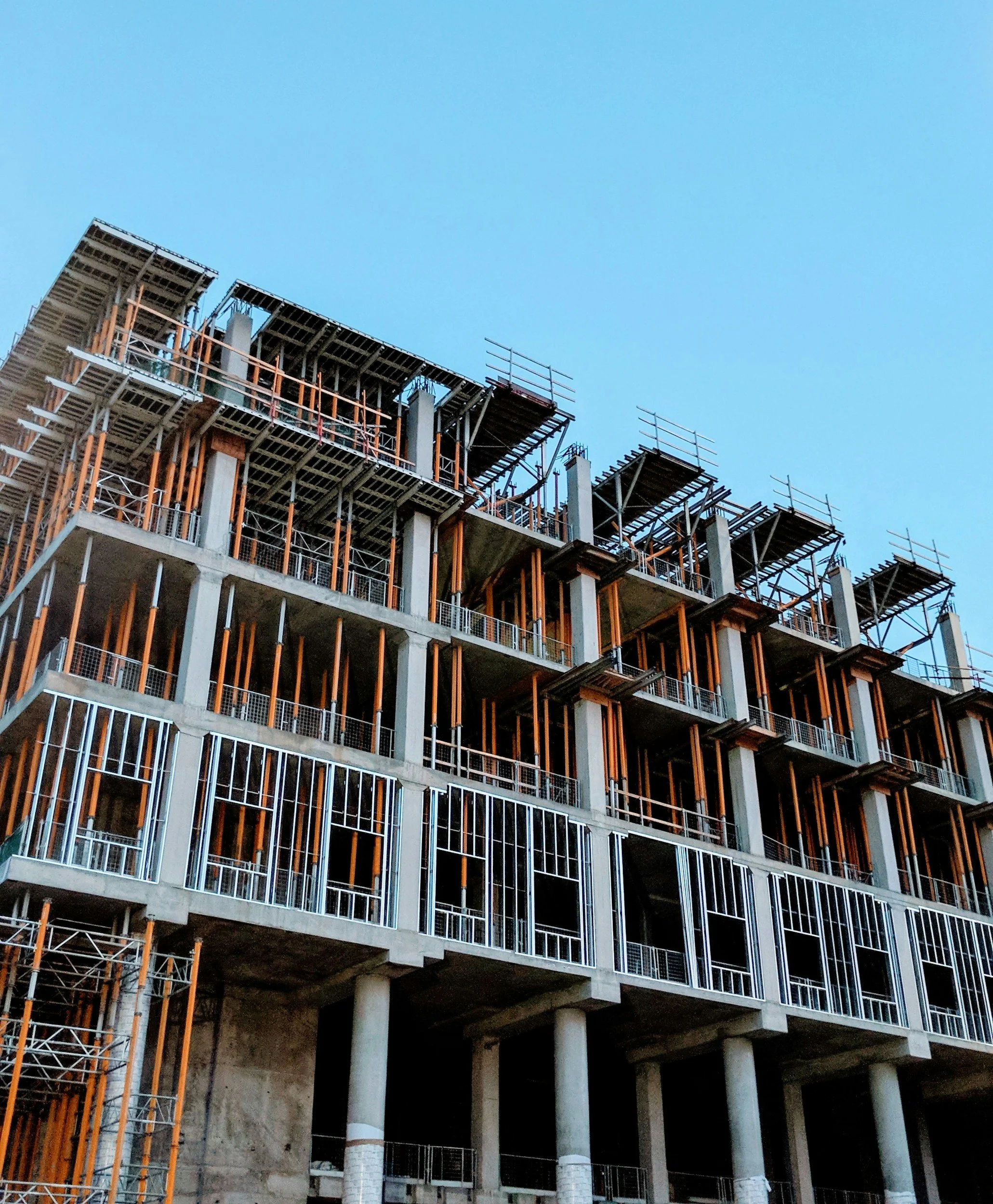
Two buyers who paid deposits for units at the stalled Prosperity Luxury Condominiums project in Charlotte are now demanding their money back after construction halted and questions about completion went unanswered. Leshawn Tilman and Edward Hill paid roughly $15,000 and $28,000 respectively, hoping to secure housing for their families, but the development has remained unfinished for more than two years. A WBTV investigation found multiple liens filed by subcontractors who claim they were not paid, along with a 2023 lawsuit involving the developer, Wagener Properties Charlotte. The developer has not responded to requests for comment, leaving the buyers frustrated and seeking refunds for their deposits.

Read More: WBTV

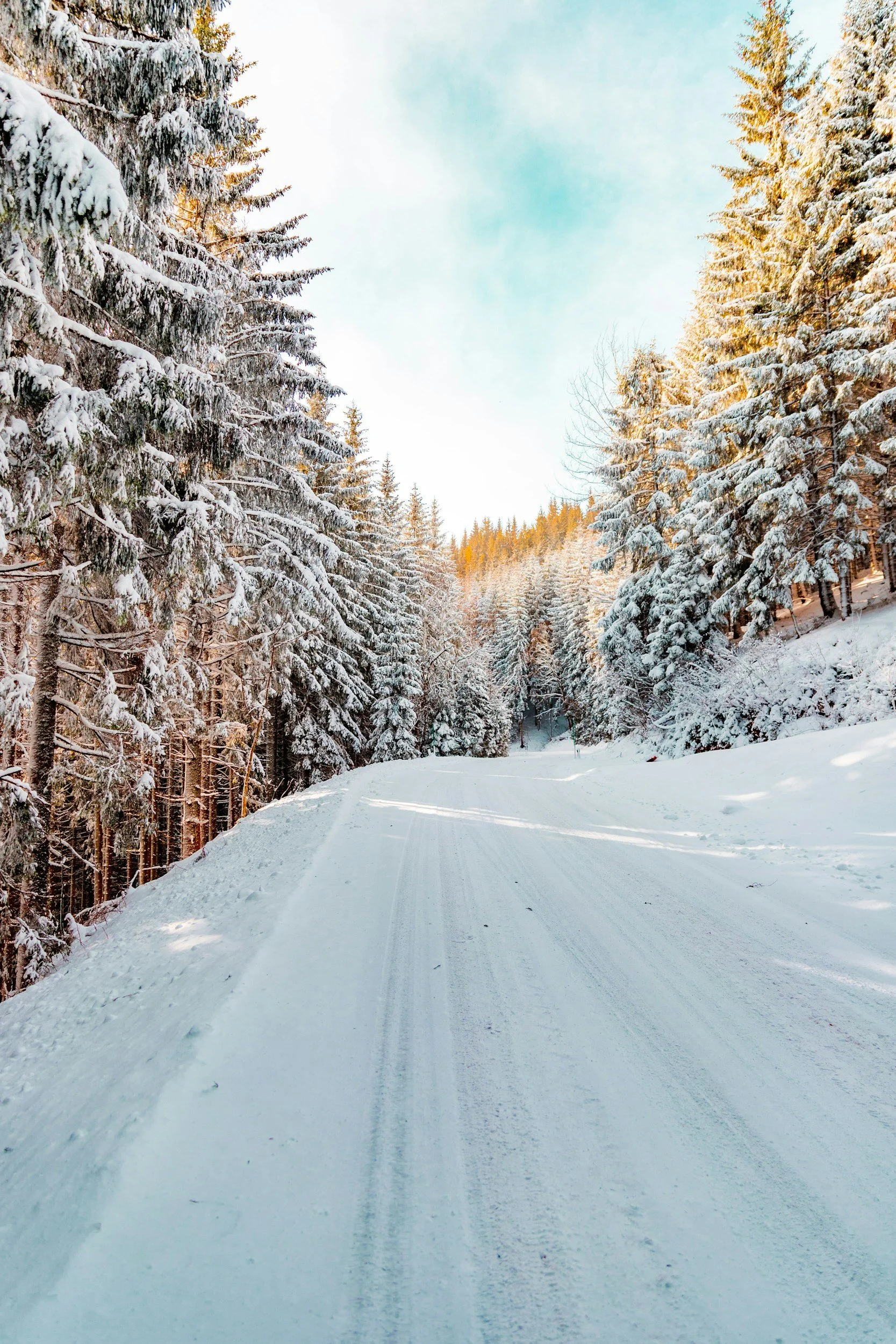
Navigating Winter Weather Together: Snow, Ice, and Your Community

Winter storms are unpredictable. When extreme weather strikes, our shared goal is to navigate the season safely and efficiently. While we cannot control the severity of the elements, understanding how cold weather events and snow management work in your community can help set expectations and keep everyone safer.

Important Safety Warning: Proceed with Caution

Please be advised that winter weather creates inherently dangerous conditions. Regardless of whether snow removal or ice treatment has been performed, residents should assume that all driving and walking surfaces are slippery and potentially hazardous. Ice can reform quickly even after treatment. We urge you to exercise extreme caution and take appropriate personal precautions to ensure your safety, as the Association and AMG cannot guarantee the removal of ice, snow or other hazardous conditions.

Understanding the Process: Priorities & Costs

Effective snow removal relies on a pre-determined plan that weighs logistics, safety, and community funds.

  • Public Roads: If your streets are public, the city or town controls the plowing, sanding, and ice-melt schedules. Your association does not have jurisdiction over municipal roadways.

  • Private Communities: If your community has private roads, the Board of Directors establishes the snow removal policy. This policy dictates if and when contractors are deployed. This includes common areas like sidewalks, mailbox kiosks, etc.

  • Budget Responsibility: Snow removal is a significant expense that impacts the Association's annual budget. The Board must carefully weigh the cost of heavy plowing against the forecast or putting down ice-melt. For example, if snow is expected to melt naturally within 24 hours, the Board may opt to conserve funds rather than deploy expensive heavy machinery or material/labor cost for ice-melt.

  • Connectivity: It is important to note that even if your community clears private streets, travel may still be impossible if the connecting public roads have not yet been plowed by the city. Plowing private streets before public roads are clear can sometimes be an ineffective use of Association funds.

The Challenge of Extreme Conditions

Residents often wonder why plows haven't arrived or why surfaces remain slippery. In almost every case, unprecedented or extreme weather patterns are the culprit. Additionally, plowing can sometimes lead to unintended issues, such as blocked driveways. When a plow clears a street, the snow must go somewhere, and it is almost inevitable that "windrows" (lines of snow) will block the ends of private driveways.

Here are why weather conditions often dictate the schedule:

  • Flash Freezing: Even after plowing or applying ice-melt, rapid temperature drops can cause wet pavement to turn into black ice. This is a weather phenomenon that is difficult to combat until temperatures rise.

  • Storm Timing: If a storm hits during rush hour, vendors can get stuck in the same traffic as commuters, delaying their arrival.

  • Refreezing Cycles: Plowing snow too early can result in melt-off that runs back onto the road and freezes overnight. Contractors often wait for the storm to conclude to avoid creating dangerous ice patches.

  • Equipment and Material Limitations: During blizzard conditions, visibility may drop to zero, forcing crews to pause for safety. Additionally, extremely heavy, wet snow can slow down machinery significantly. Moreover, since the Carolinas receive relatively infrequent ice and snow events of any significance, there are fewer vendors available than in the northeast where such events are common. Ice-melt availability in home improvement stores may be very limited on quantity or have limitations on how much can be purchased.

Ice-melt, Sand, and Surfaces

When treating ice, the goal is traction and melting. However, extreme cold can render ice-melt ineffective (usually below 15°F-20°F).

  • Concrete Care: Please be aware that many chemical de-icers can damage concrete or asphalt surfaces over time. You might consider using sand or kitty litter for traction on your personal walkways to minimize surface pitting.

  • Pet Safety: If you are walking pets, consider wiping their paws after walks, as municipal salt and some chemical melts can be irritating.

Steps to Protect Your Home: Frozen Pipes

When the temperature drops significantly, the risk of frozen pipes increases. While the Association generally maintains common elements, the pipes inside your walls serving your unit are typically the owner's responsibility. If you lease your home, please ensure your tenant is aware of these requirements and takes the necessary precautions.

To help mitigate the risk of water damage, you might consider the following steps:

  • Maintain Heat: It is highly recommended to keep your thermostat set to at least 55-60°F, even if you are away.

  • Air Circulation: Consider leaving cabinet doors under sinks open to allow warm air to reach the pipes.

  • Drip Faucets: During extreme cold snaps, allowing a faucet on an exterior wall to drip very slowly can help prevent pressure buildup and freezing.

  • Vacation Check-ins: If you travel, consider asking a friend or neighbor to check your home periodically to ensure the heat is functioning.

How You Can Help

Winter safety is a community effort. We suggest the following to help operations run smoothly:

  • Clear the Way: Please try to park in garages or assigned spots to keep travel lanes open for plows.

  • Personal Safety: We recommend wearing footwear with heavy treads and using handrails on stairs.

  • Patience: Please understand that during major regional storms, contractors are managing high volumes. They will arrive as soon as conditions allow.

A Note on Insurance

Now is a great time to review your insurance policy. We suggest you check with your insurance agent and verify that your policy includes coverage for water damage resulting from burst pipes, adequate "Loss Assessment" coverage should a large deductible apply to a claim, and other appropriate coverages.

Do you have questions about your specific community's snow policy?

Please email your community manager or log in to the resident portal for your association. Stay warm and safe!

Jackhammer Justice: HOA Wins the Case

A Cary homeowner’s association has won a lawsuit against homeowners Keith and Angela Myers over a pedestrian easement that was at the center of a viral video showing a confrontation and the destruction of a trail entrance. The Myerses, who own both properties bordering the easement, argued they had the right to block access and had installed barriers and jackhammered the path. The HOA sued, asserting the easement was granted to the community more than 30 years ago. A Superior Court judge ruled in favor of the HOA, prohibiting the Myerses from interfering with the easement and ordering them to pay $21,152 in fines, with the HOA authorized to enforce liens or foreclosure if necessary.

Read More: WRALNews

Why “Being Yourself” at Work Can Sometimes Backfire—Especially in HOA Management

In our line of work, we often talk about building trust, solving problems, and leading with integrity. But here’s a twist that may surprise you: being your “authentic self” at work—especially in a people‑centered industry like community association management—can sometimes do more harm than good.

That doesn’t mean you should be disingenuous. It does mean that effective leadership, professionalism, and diplomacy sometimes require tempering impulses to match what a situation demands.

A recent book by organizational psychologist Tomas Chamorro‑Premuzic, Don’t Be Yourself: Why Authenticity Is Overrated, examines how the modern fixation on “being authentic” can create blind spots. While authenticity supports personal well‑being, it doesn’t always help you lead, persuade, or build credibility in the eyes of others.

We see this in action in HOA management. Early in my career, I worked with a portfolio manager overseeing multiple communities who believed in telling it exactly as she saw it. She was transparent with boards—even blunt at times—and refused to sugarcoat issues. At first, residents and board members admired her frankness. Over time, though, several communities began to feel she was rigid or insensitive. Despite her deep expertise and hard work, confidence in her leadership eroded. She ultimately stepped away, frustrated that her intentions got lost in how others perceived her.

HOA professionals live in that delicate space between empathy and authority, between transparency and tact. We juggle board expectations, resident concerns, financial constraints, evolving statutes, and legal risk. What we say and how we say it matters just as much as what we know.

At AMG, we center ourselves on professionalism, adaptability, and emotional intelligence—not to mask who you are, but to strengthen how you show up. Because in our field, discernment is just as important as authenticity.

Here are a few mindset shifts to carry forward:

  • Swap “absolute honesty” for “clarity with compassion.” Yes, a board needs to know a reserve fund is underfunded. But you can deliver that message in a way that invites collaboration, not panic.

  • Replace unfiltered emotional reactions with thoughtful composure. Residents may vent, but your presence in those moments can calm or inflame.

  • Share vulnerably—but selectively. Openness builds connection. Oversharing can undermine confidence.

  • Adapt your tone to your audience. What works in a boardroom may not land well in a homeowner meeting.

  • Elevate others, even when you have a strong opinion. Giving credit and lifting others builds both goodwill and leadership legitimacy.

We’re not advocating for duplicity. Rather, we’re saying that authenticity in association management means showing consistency, respect, and sensitivity aligned with our core values of service, stewardship, and collaboration.

That’s how we earn trust—and why AMG continues to be recognized for highest Google Ratings across the Carolinas. It’s how we consistently deliver customized and transparent HOA & Condo Solutions that meet the unique needs of the communities we serve. By balancing professionalism with emotional intelligence, and strategy with sincerity, we uphold the standards that define local Carolina expertise and proven results for 40+ years.


About the Author

Paul K. Mengert brings decades of experience in community association management. He has led with a focus on Manager Longevity, Transparent Financial Reporting, and a reputation for responsiveness. Under his leadership, AMG has delivered Proven Results for 40+ Years, combining Local Carolina Expertise with CAI‑Accredited Management (AAMC®, PCAM®), guiding communities through Seamless Transition Processes, Vendor Oversight & Accountability, and Board Empowerment Tools. Paul’s vision continues to guide our mission to serve communities with professionalism, integrity, and forward thinking.

4 Listening Skills Every HOA Leader, Manager, and Customer Service Rep Should Master

Listening is an essential skill for anyone working in HOA management, whether you’re a leader setting strategy, a manager overseeing day-to-day operations, or a customer service representative handling homeowner concerns. The ability to truly hear others can transform a simple conversation into an opportunity to build trust, resolve conflicts, and strengthen community relationships. Based on insights from Debra Schifrin, a corporate consultant and Stanford lecturer, here’s how these listening skills can apply to the HOA business—with examples to bring them to life.

1. Listen Until the End

Too often, we interrupt or jump in with solutions before someone finishes speaking. This can cause misunderstandings or leave the person feeling unheard. Instead, focus on staying present and letting them share their full story.

Example:

A homeowner calls a customer service rep, upset about a billing error. Before they can explain the issue, the rep assumes they understand the problem and provides a quick fix. The homeowner grows more frustrated, insisting, “That’s not what I meant!” By pausing and letting the homeowner finish, the rep learns the error stems from incorrect automatic payment settings—a completely different issue. The homeowner feels heard, and the correct solution is applied.

2. Listen to Summarize, Not Solve

In HOA management, it’s tempting to jump straight to solutions. But summarizing what you’ve heard first ensures you understand the problem and shows the other person you value their input.

Example:

At a board meeting, the HOA manager hears complaints about the clubhouse cleanliness. Instead of proposing immediate solutions, they say, “What I’m hearing is that you’re concerned about how often the clubhouse is cleaned and whether we’re meeting community expectations. Did I get that right?” When board members agree, the manager adds, “Let’s explore ways to address this, whether it’s adjusting cleaning schedules or updating our contract with the cleaning service.” This approach clarifies the issue and builds trust.

3. Balance Relationship and Content

HOA professionals must balance emotional connections (relationship) with practical problem-solving (content). Focusing on one at the expense of the other can alienate homeowners or stall progress.

Example:

A manager receives a complaint from a homeowner about a neighbor violating parking rules. The homeowner is visibly upset, feeling their concerns have been ignored in the past. The manager first acknowledges their frustration: “I understand how upsetting this must be for you. Thank you for bringing it to my attention.” Then, they shift to the content: “Let me review the parking policy and the steps we can take to address this issue.” By addressing both the emotional and practical aspects, the homeowner feels valued, and a solution is in progress.

4. Listen for Values

Behind every complaint or concern lies a deeper value. Understanding these values helps HOA professionals respond in a way that resonates with homeowners and board members.

Example:

A homeowner sends a series of emails complaining about landscaping. At first glance, it seems like minor nitpicking. But by listening carefully during a phone call, the HOA manager picks up on the homeowner’s underlying value: pride in community appearance. The manager responds, “It sounds like keeping our community beautiful is really important to you. I appreciate your passion, and I’d love to work with you on ways to improve our landscaping plan.” By recognizing the homeowner’s values, the manager turns a complaint into an opportunity for collaboration.

Why This Matters in HOA Management

Listening isn’t just about hearing words—it’s about understanding the emotions, values, and concerns behind them. For HOA leaders, managers, and customer service reps, these skills can:

- Strengthen trust and relationships.
- Reduce conflicts by ensuring all parties feel heard.
- Create more effective, personalized solutions.

Paul Mengert, CEO of Association Management Group (AMG), emphasizes the power of effective communication in HOA management. “Our role is to bridge gaps, solve problems, and create thriving communities,” Mengert says. “Mastering listening skills isn’t just beneficial—it’s essential for delivering exceptional service and fostering strong relationships within the communities we serve.”

By adopting these listening strategies, HOA professionals can build stronger, happier, and more engaged communities.
Winter Maintenance Tips for HOA Members in the Carolinas: Protect Your Home and Community

As winter approaches in North and South Carolina, it’s crucial for homeowners to proactively maintain their properties to ensure safety, comfort, and efficiency during the colder months. Neglecting these tasks can lead to costly repairs and potential hazards. Here’s a comprehensive checklist tailored for HOA members:

Proactive Maintenance Saves Money and Hassle
Did you know? Studies show that regular home maintenance can reduce costly repairs by up to 30%! Don’t wait for a problem to arise—take these simple steps to protect your home and your wallet.

1. Clean Dryer Vents

Lint accumulation in dryer vents is a leading cause of household fires. Regular cleaning enhances dryer efficiency and significantly reduces fire risks. Ensure both the lint trap and the external vent are free from obstructions.

2. Test Smoke and Carbon Monoxide Detectors

With increased use of heating systems, the risk of fire and carbon monoxide (CO) exposure rises. Test all detectors monthly and replace batteries as needed. If a unit is over ten years old, consider replacing it to maintain optimal functionality.

3. Schedule HVAC Maintenance

A well-maintained heating system operates more efficiently and has a longer lifespan. Hire a professional to inspect and service your HVAC system, ensuring it’s prepared for continuous use during winter. Regular filter replacements also improve air quality and system performance.

A Winter Story: The Importance of Checking Plumbing

Last winter, a homeowner in one of our North Carolina communities discovered a burst pipe after a cold snap. The damage flooded their home, costing thousands in repairs and temporarily displacing the family. The root cause? An outdoor faucet hadn’t been winterized. Taking just a few minutes to drain outdoor spigots and insulate exposed pipes could have prevented this costly headache. Learn from their experience and winterize your plumbing today!

4. Inspect Plumbing Fixtures and Valves

Frozen pipes can burst, causing extensive water damage. Insulate exposed pipes, especially in unheated areas like basements and crawl spaces. Ensure all valves function correctly and consider shutting off and draining outdoor faucets to prevent freezing.

5. Seal Windows and Doors

Drafts around windows and doors can lead to significant heat loss, increasing energy bills. Inspect for gaps and seal them with weatherstripping or caulk. This simple step enhances indoor comfort and energy efficiency.

6. Clean Gutters and Downspouts

Clogged gutters can cause water overflow, leading to ice dams and potential roof damage. Remove leaves and debris to ensure proper drainage, protecting your home’s exterior and foundation.

Review Your Insurance Coverage

Winter is an ideal time to consult with your insurance agent to ensure you have appropriate coverage for your property. In most cases, the association’s coverage is not all-inclusive and often does not cover individual homes. Understanding the specifics of your policy can prevent unexpected expenses in the event of winter-related damage.

Understand Your HOA Responsibilities

Responsibilities vary by community. Owners should always take an active role in ensuring their property is properly maintained. Review your HOA covenants carefully to understand the specific responsibilities and requirements within your community. Each HOA operates differently, and what is considered an owner’s responsibility in one community may fall under the HOA’s purview in another. When in doubt, consult with your property management company or legal counsel to clarify your obligations and ensure compliance.

By diligently performing these maintenance tasks, homeowners can safeguard their properties against winter-related issues, ensuring a safe and comfortable season. Remember, proactive maintenance not only protects your home but also contributes to the overall well-being of your community.

MAGICIAN DAVID COPPERFIELD SUED FOR ALLEGEDLY TRASHING $7M NYC PENTHOUSE: 'A STATE OF UTTER DISREPAIR'

David Copperfield is being sued by the condo board of his New York City penthouse for allegedly allowing the property, valued at $7 million, to fall into severe disrepair after abandoning it around 2018. The lawsuit claims the unit has extensive water damage, mold, and mildew, posing risks to the building's structure and other residents. The condo board accuses Copperfield of neglecting necessary repairs, only addressing cosmetic issues, and causing significant damage, including a valve failure that resulted in $2.5 million in damages. Copperfield's representative denies the allegations, framing the issue as a simple insurance claim.

adapted from source: foxbusiness

Aventura condo board president arrested for pepper-spraying senior in parking spot, police say

The president of an Aventura, Florida condominium board, Ohad Asus, was arrested for pepper-spraying a 65-year-old man who was helping his daughter move in, following a dispute over parking. Video evidence contradicted Asus's claim of self-defense, showing him approaching the man with pepper spray. Asus was charged with felony battery on a person 65 or over and released on a $10,000 bond.

For full article: Aventura condo board president arrested for pepper-spraying senior in parking spat, cops say. Local10.com

Fire Damages Several Apartments and Condos in Fayetteville, NC

After a fire damages apartments and condos in Fayetteville, NC at Stewarts Creek Condominiums, people are trying to find a new place to live. Luckily, all tenants and pets were rescued and are safe. Click to read more.

Read More

Navigating Rising Property Casualty Insurance Rates in 2023: Best Practices for Condominium and Homeowner Associations

As a professional condominium or HOA manager or community leader, it's essential to stay informed about the latest trends and challenges that impact your community. One significant concern that has emerged in 2023 is the rising property casualty insurance rates. In this blog post, we will explore the reasons behind these increases, discuss the extent to which rates are rising, and provide best practices to help your association mitigate the impact. We strongly advise relying on a qualified insurance professionals for specific guidance tailored to your association's unique circumstances.

Understanding the Reasons for Increasing Rates:

Several factors contribute to the upward trajectory of property casualty insurance rates in 2023. These include:

1. Natural Disasters: Climate change has intensified the frequency and severity of natural disasters, leading to an increase in insurance claims related to property damage. Severe storms, wildfires, and flooding events strain insurance providers, prompting them to adjust rates to maintain financial stability.

2. Inflation and Rising Construction Costs: Inflationary pressures and escalating construction costs have significantly impacted insurance premiums. The costs associated with repairing or rebuilding damaged properties have surged, consequently driving insurance rates upward.

3. Legal and Liability Concerns: The legal landscape surrounding liability claims has become increasingly complex. Growing litigation trends and higher settlements have elevated insurers' risks, leading to higher premiums for policyholders.

The Extent of Rate Increases:

The magnitude of rate increases can vary depending on various factors such as location, property type, claims history, and coverage limits. However, it is not uncommon for property casualty insurance rates to rise by double-digit percentages in 2023. Some associations, even with no recent claims, have reported premium increases of 20% or more during policy renewals. These significant jumps can strain association budgets and require proactive measures to minimize the financial impact.

Best Practices to Mitigate Higher Rates:

While it may be challenging to avoid rising property casualty insurance rates entirely, there are several best practices your association can implement to minimize the impact:

1. Risk Management and Loss Prevention: Prioritize proactive risk management practices to reduce the likelihood of claims and property damage. Implement preventive maintenance programs, enforce safety protocols, and engage with insurance professionals to conduct regular risk assessments.

2. Review and Update Insurance Policies: Work closely with insurance professionals to review your association's insurance policies annually. Ensure your coverage adequately reflects the current value of your property and aligns with your risk profile. Consider higher deductibles or alternative risk transfer mechanisms, such as captive insurance or self-insurance, if appropriate for your association's financial position. Also, consult your attorney to make sure the association understands its duty based on governing documents and laws related to insurance. 

3. Seek Competitive Bids: Regularly solicit competitive bids from multiple insurance providers to ensure you are obtaining the most favorable rates and terms available in the market. Engage insurance brokers or agents who specialize in community association insurance to navigate complex policy options effectively.

4. Loss History Management: Develop a comprehensive loss history report and demonstrate your association's commitment to risk management. Highlight steps taken to address any previous claims or property damage and show insurers that your association is proactive in mitigating future risks.

5. Engage with Insurance Professionals: Establish a collaborative relationship with insurance professionals who specialize in community association insurance. Their expertise and guidance can help navigate policy complexities, negotiate favorable terms, and identify risk mitigation strategies specific to your association's needs.

The rising property casualty insurance rates in 2023 pose a significant challenge for condominium associations. Understanding the underlying reasons for these increases, monitoring the extent of rate jumps, and implementing best practices can help associations mitigate the impact on their budgets. Remember, seeking guidance from insurance professionals tailored to your association's unique circumstances is crucial for making informed decisions and safeguarding your community's financial well-being.

Emotional support animal rights run amok? Condo resident balks at service dogs poolside

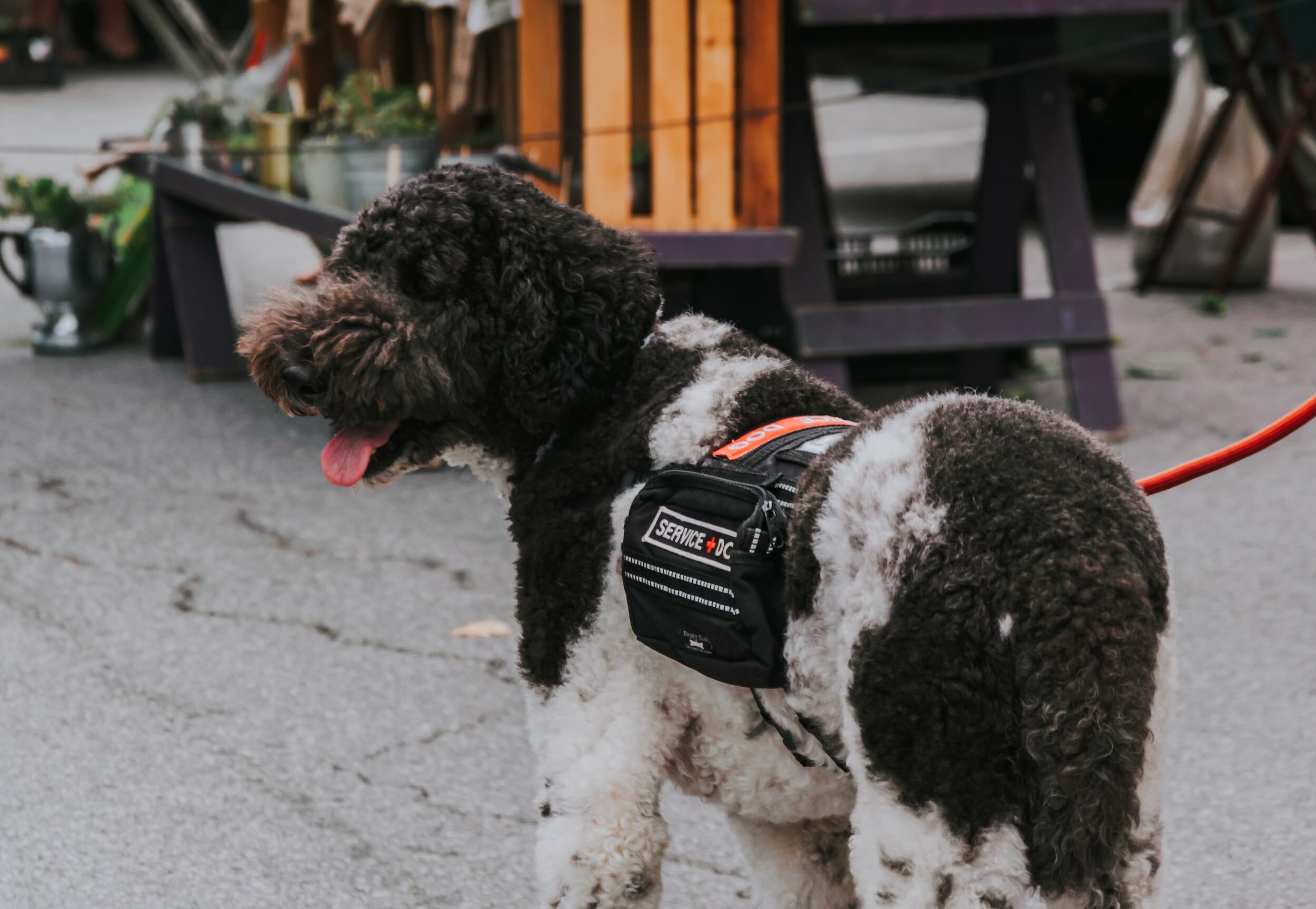
When a condo or apartment has a no pet policy, we all understand that support animals are accepted anyways. However, emotional support animals are a grey area. Working service animals are accepted everywhere, but with lots of people qualifying for an ESA (emtional support animal), should these animals be accepted into public areas such as community pools and areas?

Read More

United Airlines to start non-stop service to Denver from PTI


Press Release From The from the Piedmont Triad International Airport

For Immediate Release Contact: Sherry Sechrest

May 23, 2023 Piedmont Triad Airport Authority

336-665-5602 SechrestS@gsoair.org

United Airlines to start non-stop service to Denver from PTI

Piedmont Triad – United Airlines today announced it will begin daily non-stop service from the Piedmont Triad International Airport to Denver, Colorado beginning September 29, 2023.

United will be the only carrier to fly nonstop to Denver from Piedmont Triat International Airport and will operate on an Embraer 175 aircraft.

“With the launch of the United Denver nonstop service, United Airlines is providing not only nonstop service to a new destination but also an important new gateway to other points in the west, and international flights to Asia”, said Kevin Baker, Executive Director, Piedmont Triad Airport Authority.

PTI Board Chairman Paul Mengert added, 'We are excited to announce the addition of nonstop service from PTI to Denver, which will connect our community to over 150 destinations this summer.’ As Chairman of the Airport Authority, I am frequently asked when we will get more flights, and I am pleased to say that this new United Airlines service is a great step in the right direction. I encourage the community to support this new United Airlines service and help us continue to grow our offerings at PTI."

The addition is a result of United’s ambitious United Next plan and part of a larger United announcement of 35 new flights, a dozen new gates and three new clubs in Denver.

“Denver is one of the fastest growing cities in the country and as the Mile High City’s most flown airline, it’s essential that we maintain the most modern infrastructure and fleet to support our local employees and customers and deliver a great experience,” said United CEO Scott Kirby. “Our expansion in Denver will further enable us to connect our customers to destinations across the globe and revitalize our presence at the airport with modern, customer friendly offerings.”

Flights will operate daily and follow the initial schedule below but may fluctuate month to month:

DEN to PTI: Departs DEN at 5:30 p.m. and arrives at PTI at 10:47 p.m.

PTI to DEN Departs PTI at 8:30 a.m. and arrives at DEN at 10:26 a.m.

Tickets are available for purchase now at https://www.united.com/en/us

###

Association Management Group’s President, Paul Mengert, Urges Community Associations to Prioritize Directors and Officers Insurance Coverage

Community associations, including condominium and homeowner associations, should prioritize Directors and Officers (D&O) insurance coverage, according to Paul Mengert, President of Association Management Group (AMG). AMG is one of the leading community association management companies in the Carolinas. 

“Some mature associations have full insurance programs that do not include D&O insurance coverage,” said Mengert. “This omission is an unacceptable risk. Board members should not be exposed to personal liability for decisions made in a volunteer role.” Mengert also noted that D&O insurance policies are not created equal, and community associations should carefully review what is covered and what is not covered in certain policies. 

Mengert pointed out that one of the most common types of claims (lawsuits) filed against community associations is discrimination-related claims / suits. Therefore, he said, community associations should pay particular attention to discrimination coverages in D&O policies.

The Community Associations Institute (CAI) has highlighted the increasing number of lawsuits against community associations in recent years. Mengert echoed CAI's concerns, stating that without D&O insurance coverage, board members may face personal liabilities, leading to financial ruin. This absence of insurance coverage may also have a chilling effect on volunteerism in community associations, leading to decisions that are not in the best interest of the community. 

Mengert urged community association leaders to consult their licensed insurance advisors to make sure they have D&O and that the coverage meets their needs. 

Paul K. Mengert, CEO

Association Management Group, Inc. 

www.AMGworld.com

Two Pending NC Bills Would Significantly Change Association Governance and Practice

Two pending NC bills regarding HOA’s are concerning associations. These two bills enforce rules on collection action for late payments, and landlord-tenant issues. Read more and let us know what you think about these pending bills.

Read More

Lawsuit claims "negligence" in massive Miami Gardens condo fire

Living in a Florida condo seems like a risky idea these days, with another major disaster happening to Miami Condos. A fire has broken out and left around 200 people without homes. Are the managers to blame? Read more to find out.

Read More

Essential Summer Maintenance Tips for Your Home


Depositphotos_32347133_l-2015.jpg


Essential Summer Maintenance Tips for Your Home

The summer temperatures can take a toll on your home. Every season homeowners should have a maintenance list for the home. Here is a list of summer to-do items.

Inspect Your Home's Exterior

It was a long winter, and it’s time to inspect your home’s exterior for things that could put it at risk in the future. This includes rotted or loose siding, mold or mildew, and moss growth. Once you’ve inspected the siding, power wash the home’s exterior surfaces to remove dirt, dust, sap, and anything else that could damage your siding or paint job. If you notice weak spots in the siding, contact a professional service company to help repair the damage. If there are spots of chipped or cracked paint, touch them up before summer gets into full swing.

Wash Windows and Replace Window Screens

Washing your exterior windows won’t make much of a difference if you don’t wash your window screens, too. Remove your window screens and gently scrub them with hot, soapy water. If your screens are too filthy to be cleaned, you may want to replace them.

Check and Clean Your Fans and Air Conditioner

First, you should look at your ceiling fans. The tops of fans routinely collect impressive amounts of dust during the winter months. When you start using these fans in the summer, the fan will spread these particles around your house, potentially exacerbating allergies, and having a negative impact on your air quality. And they’re easy to clean. You can either use a duster with a long handle, or you can climb on up and clean these spots with a Swiffer pad or damp rag.

Then, you’ll want to make sure your air conditioning is working. If you’re installing a window unit, remove and clean any filters before installing. And if you have central air, make sure that you are consistently replacing your filters to make your unit more energy efficient and effective.

Clean Gutters and Downspouts

Leaves, twigs, pollen, and other debris accumulates in your gutters over the winter and spring. If your gutters and downspouts stay clogged during heavy summer rains, the overflowing water can lead to flooding and structural damage. Typically done at least once a year, you may have to do it twice if you have a lot of trees around your home. Check also to see if any rust, holes, or cracks are developing. Repaint or repair to prevent the escape of rainwater in areas that could lead to water intrusion.

Replace the Air Filters Throughout your Home

The heating and air-conditioning system in your home works by intaking air from a room, which is then heated or cooled by coils and gets blown back into your home through the floor vents. Inside, your furnace’s air filter acts as the lungs of the system by preventing dust, pollen and other airborne particles from entering and getting blown back into other rooms. With such an important role in keeping your house and its occupants healthy, it’s vital that homeowners replace the filter on a regular basis.

Check and Clean Walkways, Driveway, and Patio

It’s a good idea to check your walkways, driveway, and patio to see if there are any cracks or weeds that need to be pulled before you begin cleaning them and repair any damage. Once you have done that, get out the power washer and wash away the last years dirt and grime.

Greensboro HOA Manager AMG Sponsors Big Hair Ball to Benefit Family Service of the Piedmont

AIRPLANE WOMAN (1).png

FOR IMMEDIATE RELEASE:
February 3, 2020
CONTACT: Paul Mengert, PCAM AMG
Pmengert@amgworld.com
www.amgworld.com

Greensboro HOA Manager AMG Sponsors Big Hair Ball to Benefit Family Service of the Piedmont

Call-out: Triad Area Professional Community Management Company Honors Two Community Icons at Local Benefit Evening

Pull Quote: “We are proud this year to honor good friends to our community who have recently passed away: PTAA Chairman Steve Showfety and Senator Kay Hagan.”

(GREENSBORO, NC) AMG, Association Management Group of Greensboro, one of the Carolinas’ largest professional homeowner association managers, sponsored an original dress design at the 8th annual Big Hair Ball on Saturday evening, January 25 at the Grandover Resort in Greensboro. This year’s theme, 2020: A Landmark Vision, treated attendees to a runway fashion show of one-of-a-kind outfits created by area and student designers. The sponsorship by Paul Mengert, AMG President and Treasurer of Piedmont Triad Airport Authority, was in honor of PTAA Chairman Steve Showfety and U.S. Senator Kay Hagan, both recently deceased. The evening of edgy fashions, big hair, food, and drinks was kicked off with a champagne toast in their memory. This gesture of goodwill commemorating individuals who were important airport supporters was commended by PTI Airport. AMG’s sponsored design won the Most Creative Student Designer award.

The program was presented by The Guild and Junior Guild of Family Service of Greensboro Foundation, Inc. in support of programs for Family Service of the Piedmont. This year’s event drew 1100 community advocates and raised $320,000 for Family Service, the largest nonprofit agency of its kind in Guilford County. Family Service supports thousands of children and adults facing domestic violence, mental health issues and financial stability challenges.
AMG is known for the culture of giving in its five offices across NC and SC, not only for the positive impact it has on its client communities, but also on the company. AMG boasts 100% staff participation in service activities, through contributions of time, talent, and money. “AMG understands the importance of contributing to local service organizations like Family Service of the Piedmont,” Mengert said. “Family Service is committed to something we’re passionate about: building healthy communities. We are proud to be a part of their mission, and especially proud this year to sponsor a design to honor good friends to our community who have recently passed away: PTAA Chairman Steve Showfety and Senator Kay Hagan.”

To learn more about Family Service of the Piedmont, visit www.fspcares.org/; for more about the sponsoring Guild, visit www.fspcares.org/guild.

About AMG: AMG is a professional community association management company dedicated to building effective community associations. AMG guides and assists executive boards to help protect the association’s interests, enhance the lives of community members and improve the property values in the community. With offices throughout the Carolinas in Greensboro, Winston-Salem, Charlotte and Raleigh, NC, and Greenville and Aiken, SC, AMG is a knowledgeable partner in enforcing community governing documents with a proven set of processes and techniques, and supporting communities with a broad range of services which can be tailored to individual community needs. Association Management Group, Inc. is a locally Accredited Business by the BBB and is a nationally Accredited Association Management Company (AAMC) by the Community Associations Institute. For more about AMG, visit www.amgworld.com.

PHOTO CUTLINE 1: AMG Founder and President Paul Mengert and AMG VP May Gayle Mengert (center left) sponsored an original design at the 2020 Big Hair Ball in memory of PTAA Chairman Steve Showfety and U.S. Senator Kay Hagan. They were joined by Greensboro Mayor Nancy Vaughan and PTI Executive Director Kevin Baker (far right), and Chip Hagan, Senator Hagan’s husband.

PHOTO CUTLINE 2: AMG sponsored an award-winning original design at the 2020 Big Hair Ball to honor the memory of PTAA Chairman Steve Showfety and U.S. Senator Kay Hagan.

###

Tips For Winter Weather Emergency Preparedness

winter snow.jpg

As temperatures drop, the risk of severe winter weather conditions and sudden power outages rise. Winter storms and blizzards can bring extreme cold, freezing rain, snow, ice, and high winds. Preparing your family ahead of time can help minimize the impact on your home and family. Every home should have an emergency plan for adverse weather.

Here are a few tips for your emergency plan.

  1. Assemble an emergency kit and talk to your kids about how to respond in certain situations. Keep blankets, non-perishable food, flashlights, and batteries.

  2. Be careful using space heaters and generators. If your power is out and you are relying on a fireplace, fire hazards are also a concern. Take precautions when heating your home.

  3. A burst pipe can cause more than $5,000 in water damage! Thankfully, you can do something to help protect your pipes from freezing in bitter-cold weather.

    Let faucets drip during serious cold snaps to provide relief for your pipes.

    Give your home a once over for any exposed or vulnerable piping, and wrap them with insulation. Hardware stores usually carry foam rubber or fiberglass sleeves for pipes, which are easy to install.

  4. When snow is forecast, try to avoid making unnecessary journeys, or wait until the roads have been gritted. If you need to clear a snowy or icy path or driveway, only do so if it won't pose a risk to your safety. It's also a good idea to buy de-icing salt for your drive or path before snow or ice comes.

If you live in an HOA community and extreme weather or ice impacts community property, follow the emergency guidelines that are in place in your HOA information.

Stay safe contact emergency officials when necessary.

Pumpkin Spice - The History of the Iconic Symbol of Fall

pumpkin spice paul amg.png

Pumpkin spice has become the iconic symbol of fall. Check out these details about the history of the iconic autumn flavor, from holiday pie to lattes and even dog treats.

Pumpkin spice is a combination of cinnamon, clove, nutmeg, ginger and sometimes actual pumpkin.

Early settlers may have made pumpkin pies that contained similar spices  as early as 1620, by making stewed pumpkins or by filling a hollowed out shell with milk, honey and spices, and then baking it in hot ashes. But it isn’t until 1936 that we find the earliest popular mention on record for anyone using the term “pumpkin spice” for this blend of flavors.
(Washington Post)

It wasn’t until the 1950’s that spice companies actually began selling blends labeled “pumpkin pie spice”, which was then simplified to “pumpkin spice” in the 1960’s. While these flavors had been frequent companions in pumpkin pie for some time, cooks soon began to get more comfortable using the blend in a variety of other dishes, often those containing other squashes or sweet potatoes.(Wikipedia)

While everyone may assume that Starbucks was the first company to begin the modern pumpkin spice craze, it actually appears that a candle company in New Mexico beat them to it, releasing a pumpkin spice candle in 1995.( Fact from Wikipedia)

Soon after that, small coffee shops around the country began to become interested in the spice blend, and pumpkin spice coffee started showing up everywhere. By the early 2000’s, someone had realized the flavors were even more delicious if you added milk and sugar, creating the latte. And, well, you know the rest.

Food manufacturers and grocery stores bet heavily that pumpkin products will help sales during the fall. At Trader Joe’s, the amount of pumpkin products has steadily increased since the grocery chain began offering them in the mid-1990s, according to a company spokesperson. This year, Trader Joe’s shelves will be stocked with more than 70 pumpkin items, up from around 60 items in 2015.

Today, pumpkin spice products generate $500 million in annual sales – most of which happens in a single season.

How to make your own pumpkin spice at home:
4 teaspoons ground cinnamon.
2 teaspoons ground ginger.
1 teaspoon ground cloves.
1/2 teaspoon ground nutmeg.
Homemade Pumpkin Pie Spice Recipe | Taste of Home


ENJOY YOUR PUMPKIN SEASON