
Developers Rush to Buy Land for More Housing
/Out of state developers such as Meritage Homes from Arizona and Tri Pointe Homes from California are buying land in Durham, NC to build new housing and communities. How do you feel about this?

Out of state developers such as Meritage Homes from Arizona and Tri Pointe Homes from California are buying land in Durham, NC to build new housing and communities. How do you feel about this?

September officially ushers in the fall season. It’s time to gather the board and make plans for the coming months. Fall is a great time for community holiday centered events. If your community is in the cold part of the country, the coming months can bring cold temperatures.
Here is a task list every HOA should implement while the weather is still mild.
1. Maintenance & Repairs: Assess the common area buildings and exterior property needed after summer repairs and maintenance. It’s important for the board to start initiating work orders for any needed repairs on the exterior surfaces of the community.
2. Plan Fall and Winter Lawn Maintenance with Landscape Vendor: The mowing schedule will change during the fall and winter. Summer season flowers or shrubs may need to be replaced. Mulch and other ground maintenance may need to be put in place for the fall season. In the off-season residents, visitors, realtors, and prospective buyers will notice an unkept community during the winter. It is important for the HOA board to have new schedules and changes put in place until spring rolls around.
3. Fall and Winter Amenities Preparation: Swimming pools, golf courses, playgrounds, and other amenities need to be prepared for the cooler months. If your HOA closes the pool during extreme snow or cold, it is important to schedule this with your pool company. If your HOA is shortening hours for outdoor recreation areas due to shorter daylight hours, it is important to notify residents of changes and closings.
4. Plan for Fall and Holiday Activities: Add a planning session to your board meeting agenda for holiday events, fall festivals, holiday parties, and community gatherings. Plan well in advance to give the community plenty of time to add events to their busy holiday schedule. Consider community entrance decorations and expenditures for holiday related costs. Notify residents in advance of any specific rules pertaining to holiday gatherings.
5. Community Safety Changes During Fall and Winter: If your community has a security vendor or security guard, the hours may change due to shorter days. During the holidays there may be visitors parking throughout the streets of the community. Designate parking for community events. Assess streetlights in the community, community emergency lighting, community entrance lighting, and lighting around the common areas and amenities. Notify residents of any policies regarding property decorations and lighting. It is important to be aware of holiday decoration safety issues around Halloween and Christmas.
6. End of Year Budgeting: As things begin to slow and the fiscal year comes to an end, preparing for the New Year is essential. HOA boards should have next year’s important items on the agenda and begin advance planning for large additions, community expenditures or major projects slated for the spring season.
Fall brings excitement leading up to the holidays. HOAs should always put safety first and make this time of year enjoyable for all residents. We hope this task list will help your association or management team provide a safe holiday season for everyone in the community.

After an HOA in Raleigh, NC tried to force a family to remove solar panels from their home, despite the rules and regulations stating nothing about solar panels, the family went into a four year lawsuit. Read more to discover the NC Supreme Court decision.
Association Management Group (AMG) recently awarded $1000 scholarships to five students in the company’s service area of North Carolina and South Carolina. The program, which grew from four to five scholarships this year and memorializes the lives and contributions of exceptional AMG individuals, provides education funds to outstanding scholars who are on the brink of their academic journeys and are committed to strong communities.
Open to the families of residents and vendors of AMG properties, as well as AMG employees, the fourth annual AMG College Scholarship Program selected the honorees based on short videos the students produced highlighting what community means to them.“We are so proud of this year’s applicants, and all those who came before them,” said AMG Vice-President and Scholarship Program Chair May Gayle Mengert. “Our company’s mission is to help create safe, harmonious, attractive communities through effective homeowner association governance. A big part of our work is empowering volunteer association boards–community people–with smart tools and strategies for ensuring their neighborhoods feel like home. It is gratifying and inspiring to hear why their communities matter to our youth, and how they are dedicated to strengthening them.”
The 2023-2024 AMG College Scholarship Program winners are:
Alexa Fields was awarded the Corey Flynt Scholarship. Corey was the son of AMG’s President Dacy Cavicchia and brother to both AMG’s Charlotte Director of Operations, Danielle Rudisill and Special Projects Coordinator, Cassie Kutay.
Carlyn Whitehead received the Tommy Badgett Scholarship, named in memory of a long-term AMG employee and friend who passed away in January 2021.
Sydney Pugh was honored with the Billie Butler Scholarship, which celebrates Butler’s twenty-plus years of service to AMG clients in the Charlotte area.
Joey Chaney was awarded the Ron Erickson Scholarship, to honor the life and accomplishments of the late world-class financial planning professional and role model.
Kritika Sharma won the Rea Tinsley Scholarship, The People’s Choice Award, with 192 Likes. Tinsley, who passed away in March 2022, was a cherished member of the AMG family and Director of Operations in Greenville, SC.
About AMG: AMG is a professional community association management company dedicated to building effective community associations. AMG guides and assists executive boards to help protect the association's interests, enhance the lives of community members, and improve the property values in the community. With offices throughout the Carolinas in Greensboro, Winston-Salem, Charlotte, and Raleigh, NC, and Greenville and Aiken, SC, AMG is a knowledgeable partner in enforcing community governing documents with a proven set of processes and techniques, and supporting communities with a broad range of services which can be tailored to individual community needs. Association Management Group, Inc. is a locally Accredited Business by the BBB and is a nationally Accredited Association Management Company (AAMC) by the Community Associations Institute. For more about AMG, visit www.amgworld.com

Many Americans live in common-interest communities, such as homeowner’s associations (HOAs) and condominium associations. In fact, in 2022, about 26% of Americans lived in HOAs alone. That means thousands of communities nationwide designed to govern themselves and enhance home value for their residents.
While most associations have a Board of volunteers that govern the community, sometimes those Boards are not enough. Your community may need an HOA management company to reach its full potential.
But what are HOA management companies, and what do they do?
In the rest of this guide, we will answer those important questions. So, let’s get started talking about the role of an HOA management company.
What is an HOA Management Company?
HOA management companies specialize in providing management and administrative services to HOAs. They act as an objective third party, which helps them in their management role. HOA managers assist the HOA Board in running the community by managing various aspects of its day-to-day operations, communication, and financial management.
There are a lot of benefits to collaborating with an HOA management company. These include the following.
Expertise: HOA management companies are staffed with professionals with the experience and expertise to bring the most value to an HOA community. They will also understand the industry standards and local regulations, which will help them ensure that the community remains well-managed and compliant.
Savings: An HOA management company can save the Board valuable time and resources, allowing them to focus on strategic decision-making and long-term planning.
Community improvement: Efficiently managing the community and implementing improvements allows HOA managers to enhance the overall quality of life and maintain or even raise property values.
What does an HOA Management Company do?
Most HOA management companies offer a range of services, including the following.
Administrative support: HOA managers can take on the responsibility of completing the many day-to-day administrative tasks that often bog down a Board. Organizing meetings, corresponding with residents, and much more are all administrative tasks provided by an HOA management company.
Financial management: Financial management is another important task that HOA management companies can complete. Most companies will have a dedicated financial department with experts who can guide a Board in creating budgets and managing expenses.
Property maintenance: Keeping a community maintained and looking nice is essential to a community association’s Board responsibilities. An HOA management company can help you maintain all communal property in your community. For life style communities and lake communities, this service is especially helpful.
Rules enforcement: HOA Boards are tasked with determining the rules that govern their communities. An HOA management company can help you enforce these rules.
Vendor management: Vendors keep a community running. From lawn maintenance to contractors, vendors perform many work-intensive tasks that keep an HOA looking nice. An HOA management company will hire and manage all vendors, handling this time-consuming and often frustrating task for your Board.
If your HOA is located in North or South Carolina, and you are looking for an excellent HOA management company, try Association Management Group (AMG). We provide property management services to HOAs, condominium associations, townhome HOAs, life style communities, common interest commercial properties, and more. Contact us today to learn how our dedication can help build a happier community.

As hurricane seasons become increasingly intense and unpredictable, it is crucial for homeowners associations (HOAs) to take proactive measures to protect their communities and residents. The Atlantic hurricane season, which typically runs from June to November, poses significant risks to coastal and inland areas alike. This blog post will provide valuable insights and recommendations on how HOAs can effectively prepare for the Atlantic hurricane season.
Develop an Emergency Preparedness Plan
One of the first steps for HOAs in hurricane preparation is to develop a comprehensive emergency preparedness plan. This plan should outline procedures for evacuation, communication, and coordination with local authorities. Identify evacuation routes, establish a safe meeting point for residents, and designate a communication system to keep residents informed before, during, and after a hurricane. Regularly review and update the plan to ensure its relevance and effectiveness.
Conduct a Risk Assessment
HOAs should conduct a thorough risk assessment to identify vulnerable areas and potential hazards within the community. Assess the structural integrity of buildings, roofs, windows, and doors, and take necessary steps to reinforce them if needed. Identify trees and branches that may pose a risk of falling during high winds and arrange for regular maintenance and trimming. Additionally, review the drainage systems and make necessary improvements to prevent flooding.
Secure Outdoor Items
Outdoor items such as patio furniture, grills, and trash cans can become dangerous projectiles during a hurricane. Create guidelines for residents to secure or remove these items before a storm approaches. Encourage residents to store such items in a secure location or bring them indoors. Reinforce the importance of adhering to these guidelines to prevent damage to property and minimize potential hazards.
Communicate and Educate Residents
Open and consistent communication is key to ensuring residents are well-informed and prepared for the hurricane season. Utilize multiple channels such as email, social media, community bulletin boards, and newsletters to disseminate important information, emergency protocols, and evacuation plans. Encourage residents to sign up for emergency alerts from local authorities and share resources like hurricane preparedness guides. Consider hosting educational workshops or inviting experts to discuss hurricane safety measures.
Coordinate with Local Authorities
HOAs should establish strong relationships with local emergency management agencies and stay connected with their latest updates and guidelines. Collaborate with these authorities to understand evacuation procedures, emergency shelters, and other essential services available in the community. This collaboration will help ensure a coordinated response and enable quick action in times of crisis.
Establish Emergency Contacts
Maintain an updated list of emergency contacts for residents, including local authorities, utility companies, insurance providers, and community volunteers. Share this information with all residents and emphasize the importance of keeping it easily accessible. Encourage residents to create personal emergency kits containing essential supplies such as water, non-perishable food, flashlights, batteries, and first aid items.
Conduct Regular Drills and Training
Practicing emergency drills and conducting training sessions can significantly enhance residents' preparedness and response during a hurricane. Organize mock evacuation drills, familiarize residents with emergency routes, and provide guidance on essential tasks such as shutting off utilities and securing properties. These drills help residents become more confident and efficient in executing emergency plans when the need arises.
Conclusion
Preparing for the Atlantic hurricane season is a responsibility that falls on both HOAs and residents. By following these recommended steps, HOAs can significantly enhance their communities' readiness and resilience in the face of hurricanes. Remember, early preparation and proactive measures are the key to minimizing damage, ensuring safety, and promoting the overall well-being of residents during hurricane events. Stay informed, communicate effectively, and work together with local authorities to protect your community.

The South Carolina Department of Consumer Affairs is releasing a compilation of HOA complaint data from the past five years to celebrate the HOA law’s fifth anniversary. How do you feel about the data?

After the collapse of the Champlain Towers Condo building 2 years ago, many experts looked into why this tragedy happened. What could have been done to prevent this event? Read more to find out.

June officially ushers in summer. During the summer months, people are outdoors and more active. You will find attendance at community events and businesses to grow during the summertime.
In communities, people are outdoors, enjoying their pool, and their homes, leisurely, walking, and enjoying the neighborhood.
Summer is a great time to take advantage of people being outdoors. This is a great time for HOAs to make volunteer opportunities known.
There are many ways to use the summer months as a time of getting to know residents and recruiting them to help with the HOA board or committee.
1. People are outdoors and more active. They are more involved with community activities; they meet neighbors while walking or at the pool.
They may hear positive information about the management and consider volunteering.
2. More people move during the summer. Communities see new residents move in during the summer. Statistics show that families move more during the off-school season.
Reaching out to new residents with a welcome letter telling them about the board or management team may spark their interest. Let them know the areas of volunteer opportunity within the management.
3. More people communicate with the community management team during the summer.
More residents are out enjoying amenities and may contact the association manager for maintenance issues. This is a good time to send a letter, thanking them and letting them know there are volunteer opportunities available.
4. Summer is a good time for the board to interact more with community members. There are more organized community events, as well as newsletters going out.
The summer season also provides longer daylight hours for participation and usage of the clubhouse and other facilities. This gives residents an opportunity to use the various amenities and realize how much they enjoy their HOA.
5. Summer gives people a good feeling.
During the summer, the community management will have regular lawn maintenance and residents will see the community becoming beautiful. The management may spruce up the common areas or entrances with flowers or shrubbery. This will give residents a feeling of pride in their community.
This will also make them feel better about volunteering, giving them a reason to speak positively about the management and their experience and giving them an incentive to maintain their own property.
Giving residents a positive experience may prompt them to get involved with the community through volunteering.
HOA boards are comprised of people from many backgrounds and ages. Each volunteer brings a unique perspective and talent. This results in a variety of viewpoints on an HOA board.
DR. Lori Baker-Schena states:
“I think we must be mindful of the fact that we want our board to reflect the community. And so, we need to look at our community and then find representation that truly reflects it. And I'm also not talking about just ethnicity or race. I'm talking about age, too.”
Welcome volunteers have some type of informational meeting or orientation to inform them about the HOA and what is expected of a volunteer.

After the COVID Pandemic, people became more comfortable with meeting virtually, due the this, South Carolina is considering a bill that would allow participation for HOA meetings to be virtual. Click for more information.

With the rise in popularity of Airbnb, and the controversy surrounding it, Greensboro’s city council has approved an ordinance that lays out guidelines for short-term rentals. Do you agree with the guidelines put into place? How do you feel about Airbnb?

Studies show that over 50% of managers are currently experiencing burnout, a problem that has been exacerbated by the pandemic. Front-line managers, in particular, are feeling the strain of leading their teams through challenging times, resulting in exhaustion, cynicism, and a perceived lack of professional achievement. As a manager of managers, it is essential to address this issue.
One effective approach is to connect their work to a greater sense of purpose. Encourage managers to reflect on their values and motivators and find ways to align their work with them. This can give them a renewed sense of purpose and drive.
Another strategy is to focus on learning and development. Provide managers with new, exciting challenges that align with their skills and interests, and have open conversations about the skills and resources needed to achieve their goals. Creating transparent career paths can also help alleviate feelings of burnout.
Flexible work arrangements can also be beneficial. Empowering managers to have more control over their schedules can help reduce feelings of exhaustion and lack of autonomy.
Finally, it is crucial to create a psychologically safe environment where managers can speak up about their burnout and feel comfortable seeking self-care, if needed. Encourage them to take any steps that can help them recover.
Managing burnout requires effort and commitment. By providing a sense of purpose, focusing on learning and development, enacting flexible work arrangements, and creating a psychologically safe environment, managers can be better supported and equipped to find success in their jobs and working with clients and colleagues.
CEO of Association Management Group Carolinas Challenges Assertion on Fed Will Cover All Deposits
Greensboro, NC — In response to an economist making statements at a recent NC-CAI conference that the Federal Reserve has now effectively agreed to cover all deposits, Paul Mengert, the CEO of Association Management Group Carolinas, disagrees. Mengert states, “Claims that the Federal Reserve would be required to cover all deposits are possible but very questionable.” He reminds everyone of the $250,000 limit that remains in place. Mengert argues that even though the current political climate may support the Fed covering all deposits, unwritten policies can change suddenly, and political realities may vary based on different situations.
Market trends seem to support Mengert's opinion. Since the failure of Silicon Valley Bank, the gap between interest rates on bonds issued by money center banks and large regional banks has significantly widened. The gap was only about 15 basis points (bps) before the failure, but it has now increased to approximately 135 bps.
Investors are demanding higher interest rates from smaller banks. Mengert says, “This is due to concerns that the government may allow smaller banks to fail, resulting in a loss of investment.”
Mengert advises those responsible for investments in community associations to follow their governing documents and take all reasonable actions to protect deposits.
It is evident that Mengert's experience and knowledge, including his observations related to the banking industry, is a credible perspective on the matter. While those who assert all deposits will be covered may sound plausible to some, Mengert's skepticism is a reminder that we should be careful about accepting claims that seem too good to be true without doing proper research.
In the end, Mengert's advice to follow community governing documents and protect owner deposits is essential. Community associations should be vigilant in their investments and ensure that they are following best practices to safeguard the interests of their members.
Paul K. Mengert, CEO
Association Management Group, Inc.
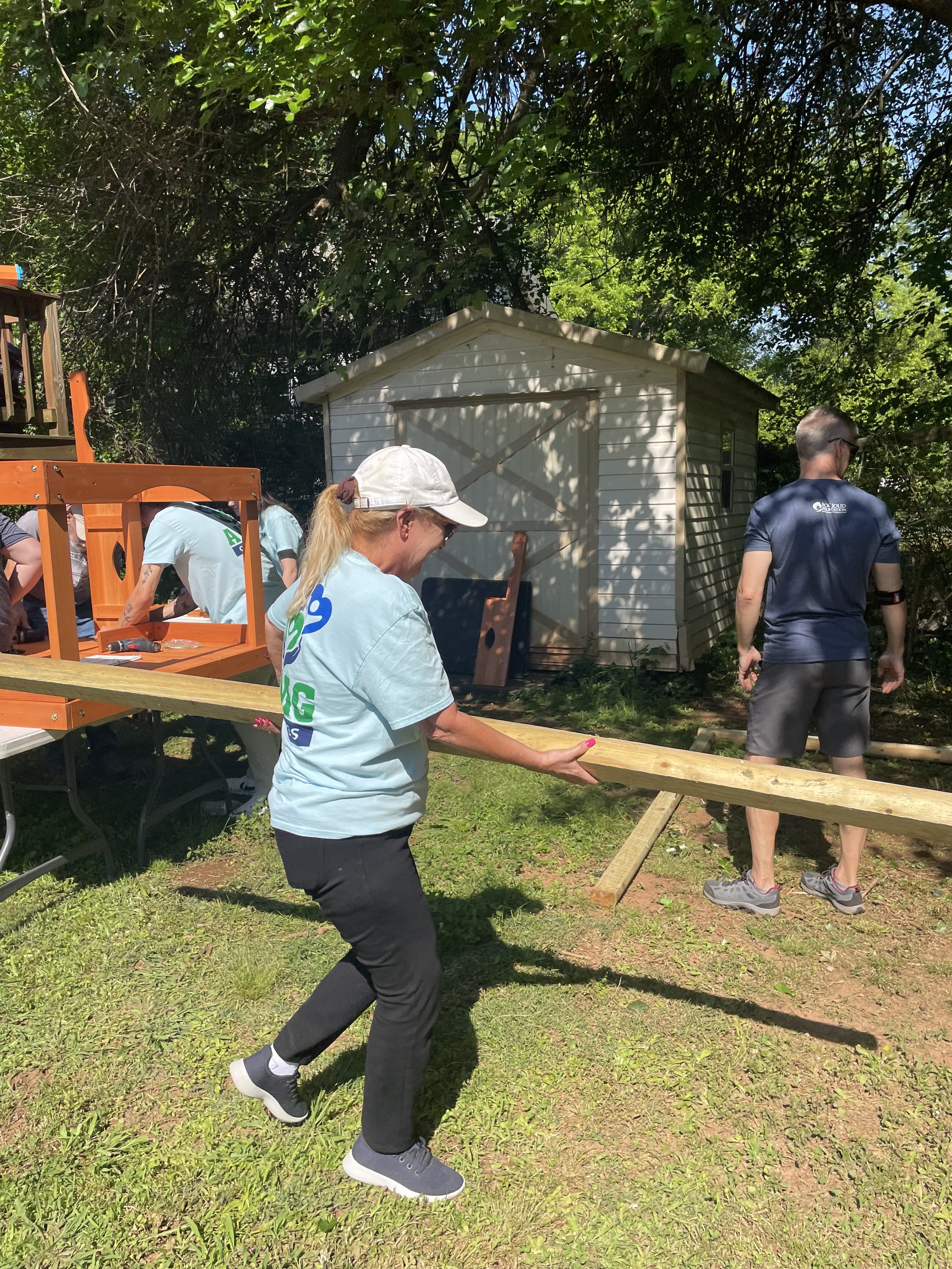
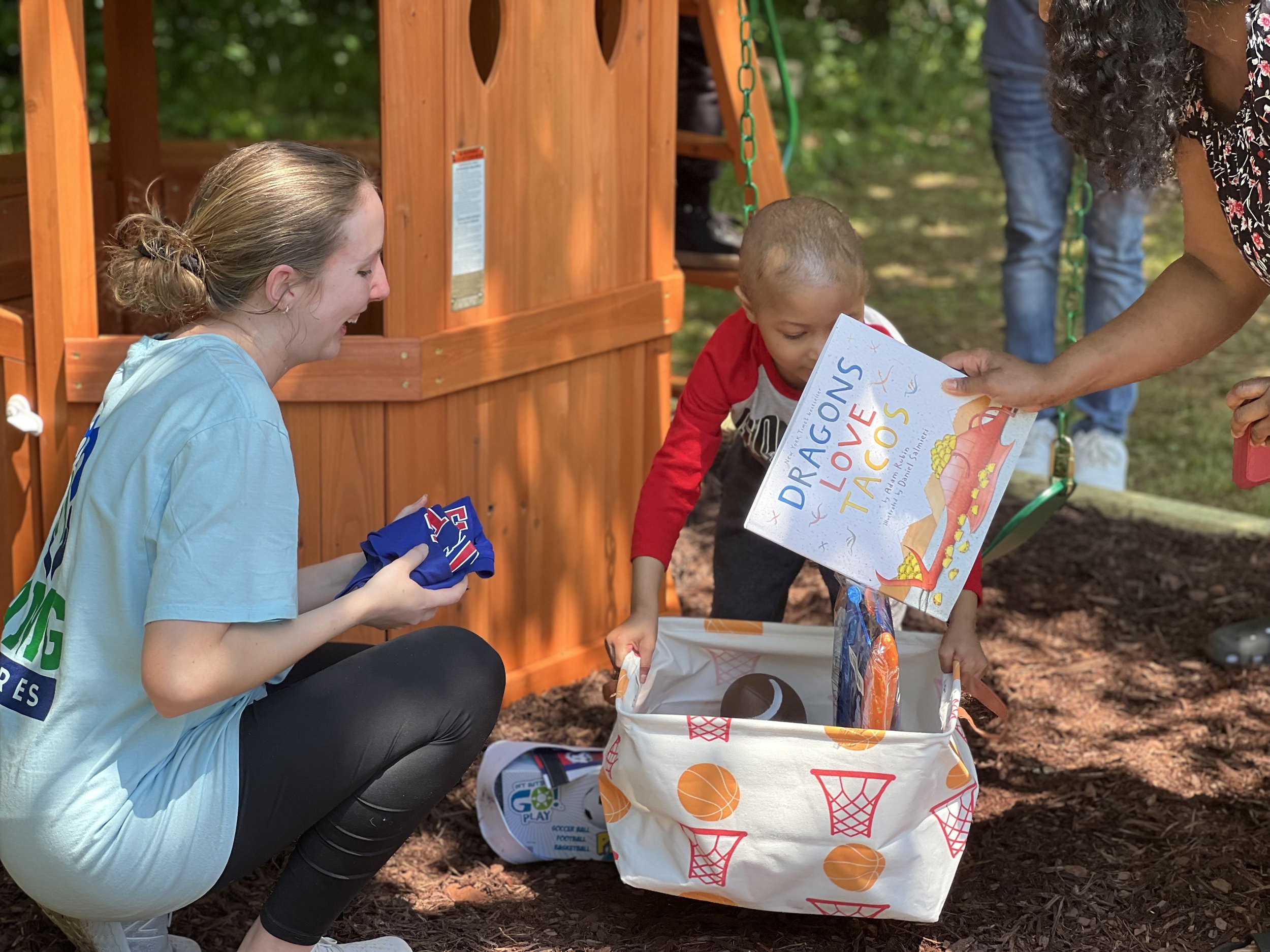
(ROCK HILL, SC) Volunteers from Association Management Group (AMG), one of the Carolinas’ largest professional homeowner association managers representing more than 30,000 property owners, constructed a custom backyard playset on May 6 for four-year-old Antonio Culp of Rock Hill, SC, a pediatric cancer patient in treatment for ependymoma, a tumor that starts in the brain or spine. Culp is the recipient of the free playset thanks to AMG and Roc Solid Foundation (RSF), a Virginia-based nonprofit that works with hospitals, organizations, and volunteers to Play It Forward and build hope for children and families fighting pediatric cancer. The team of 20 AMG staff worked from 9:00 a.m. till 1:00 p.m. on Saturday with tools, instruction, and guidance from an RSF project leader to create the playscape, which featured swings, a tree house, a slide, and a climbing area. “I just want to thank all of you for everything,” said Printiss Crosby, Antonio’s mother. “Antonio’s always wanted a swing set, so it’s just a blessing that you came out and did this for him. Even though he’s battling this (cancer), he’s just a happy boy. I’m amazed.”
It takes a team effort to restore hope to young cancer patients, according to Roc Solid Foundation founder and chief play officer Eric Newman. “We are so grateful for the support of groups like AMG who partner with us to bring play to kids fighting cancer. We truly believe that play defeats cancer, because cancer will be the last thing on this family’s mind when they see their playset. In that moment, play has won.”
It was a warm May day of lifting and laughter, hammers and hugs, screwdrivers and smiles. But the best part was the expression on Antonio’s face when he saw his new playscape, complete with signed best wishes from each member of the AMG construction team, said Paul Mengert, AMG founder and CEO. “In our industry of managing community homeowner and condominium associations, helping one’s neighbor–‘walking each other home’–is an important and uplifting responsibility. It’s satisfying and meaningful to help restore fun and play to the life of Antonio, a little boy going through cancer. We hope it brings him happiness, joy, and God’s blessing.” AMG President Dacy Cavicchia agreed. “Caring for our community is a key core value for us. We have a decades-old culture of giving back to the greater Charlotte area, both financially and as volunteers. According to Roc Solid foundation, sixteen thousand US children are diagnosed with cancer each year. Of course, therapy is important, but so is experiencing a happy, normal life. It was inspiring to spend the day creating a wonderful playspace this family can enjoy for years to come.”
For details on Roc Solid Foundation or to learn how you can Play It Forward for pediatric cancer patients, visit rocsolidfoundation.org.
To learn about AMG, visit amgworld.com.
About AMG: AMG is a professional community association management company dedicated to building effective community associations. AMG guides and assists executive boards to help protect the association's interests, enhance the lives of community members and improve the property values in the community. With offices throughout the Carolinas in Greensboro, Winston-Salem, Charlotte and Raleigh, NC, and Greenville and Aiken, SC, AMG is a knowledgeable partner in enforcing community governing documents with a proven set of processes and techniques, and supporting communities with a broad range of services which can be tailored to individual community needs. Association Management Group, Inc. is a locally Accredited Business by the BBB and is a nationally Accredited Association Management Company (AAMC) by the Community Associations Institute. For more about AMG, visit www.amgworld.com.

When a Key Colony HOA thought they were making a payment to their master association after receiving emailed instructions from them, they were surprised to find that they had been scammed of over 100k. Read more to find out how they solved this issue.

AMG has volunteered to construct a custom backyard playset for four-year-old Antonio Culp, a pediatric cancer patient in treatment for ependymoma, a tumor that starts in the brain or spine. Antonio loves tacos, the Buffalo Bills NFL team, Just Wanna Rock, basketball, and his five older siblings. He is the recipient of this free playset thanks to Roc Solid Foundation, a Virginia-based nonprofit that works with organizations and volunteers like AMG to Play It Forward and build hope for children and families fighting pediatric cancer.
It’s hard transitioning from child to pediatric cancer patient. The comforting everyday routine of school, play, and family activities are replaced with medical appointments, treatments, fatigue, and worry. Roc Solid Foundation is dedicated to returning a little bit of normal life to kids facing cancer by providing custom backyard playscapes. But they can’t do it without good neighbors willing to volunteer in the building process.
AMG specializes in supporting safe and happy neighborhoods. In the business of managing communities, helping one’s neighbor is an important responsibility. With a decades-old culture of giving back to the greater Charlotte community–both with money and volunteer hours–AMG is hosting a team-building day of as many as 25 employees at the Culp home to assemble Antonio’s free playset, which will include a tree/playhouse, swing, slide, climbing structure, and more.
For details on Roc Solid Foundation, visit rocsolidfoundation.org.
To learn about AMG, visit amgworld.com.



Introduction
Managing a condo HOA (Homeowners Association) board can be a challenging task, especially when dealing with diverse residents and their interests. However, with effective leadership and management skills, the process can be smooth, productive, and beneficial for everyone involved. In this blog post, we will share some tips on how to manage a successful condo HOA board.
1. Communication and Transparency
Communication is the backbone of any successful condo HOA board. It is essential to use effective communication strategies to ensure everyone is aware of updates, decisions, and expectations. A transparent approach creates a conducive environment for residents to voice their concerns, ideas, and opinions. Set regular meetings or use online platforms to reach out to residents and board members regularly.
2. Set Realistic Goals and Expectations
It is essential to have a clear understanding of the goals and expectations of the condo HOA board. Set measurable and achievable goals that align with the board's mission and objectives. Ensure that everyone understands their roles and responsibilities, and all expectations are realistic and achievable. Decide on the minimum standards expected from residents, tenants, and visitors in the community, and enforce them clearly and consistently.
3. Foster a Sense of Community
Building a strong sense of community is vital to maintaining a successful condo HOA board. Ensure that new residents are welcomed and made to feel part of the community. Organize events, programs, and activities that promote social interactions, networking, and teamwork. Encourage residents to participate and volunteer in the community's activities and engage in collective responsibility.
4. Financial Management
As an HOA community manager, you must manage the finances effectively. Ensure that all expenses are accounted for, and there are enough funds to cover essential expenses such as insurance, maintenance, and upgrades. Create a realistic budget and maintain a reserve fund for emergencies. Ensure that all residents are aware of the financial situation and that they have access to financial statements.
5. Stay Informed
As an HOA community manager, you need to be up-to-date on the latest legal requirements and regulations in your area. Stay informed about state and local laws, taxes, and other important regulations that impact the community. Attend training and development programs to stay informed about best practices and emerging trends in HOA management.
Conclusion
Managing a successful condo HOA board requires effective communication, goal-setting, community building, financial management, and staying informed. By applying these tips, you can create a conducive environment for everyone in the community and maintain a successful and thriving condo HOA board. Remember to stay engaged and approachable, always looking for ways to improve the community's welfare.
As described in my recent NC Community Association Legislative Update, an HOA/condo bill moving through the NC General Assembly is Senate Bill 553/House Bill 551 “Landlord/Tenant and HOA Changes.”
SB 552 and HB 551 are mainly focused on landlord-tenant issues, but both include a provision that any declaration amendments made by an HOA or condo association would “only affect lot owners whose lots are conveyed or transferred after the amendment takes effect.” Such an outcome impacting ALL declaration amendments would have disastrous consequences on many associations.
As a reminder, amendments to declarations can only be adopted if overwhelming supported by the members. State law provides that a declaration can only be amended by the “affirmative vote or written agreement signed by lot [or “unit”] owners of lots to which at least sixty-seven percent (67%) of the votes in the association are allocated, or any larger majority the declaration specifies.”
Like all legislation, the bill may yet be amended to limit its scope. However, the bill with its present wording making all declaration amendments prospective would have significant negative repercussions:
Associations would no longer have common schemes of development, which is a major reason buyers purchase in homeowner and condominium associations. “That lot can have automotive repairs in the yard, but that lot can’t” is a bad outcome. Whether a particular lot is subject to a specific declaration amendment would depend on when the lot was purchased in relation to when the amendment was adopted. For an association to figure that out would require significant research and tracking. Adopted rental restrictions would only apply to owners purchasing after the declaration amendment was adopted, even if a specific owner voted IN FAVOR of the amendment to restrict short term rentals.
Declaration amendments cover far more than just rental amendments. Associations trying to fix insurance or maintenance issues in an older declaration could not easily do so. We have assisted many older condos or townhomes where the association’s insurance has simply become unaffordable. Members addressed the issue by amending their declaration as to reallocate what the association insures and what the owners insure. How could that possibly work if some owners are impacted by the change to insurance and others not?
Condominiums are not able to obtain FHA/Fannie Mae/Freddie Mac financing unless they have certain rental restrictions in place. As a result, we are often asked by older condominiums to amend the declaration to align with federal regulations. Saying that current owners are not impacted by a declaration amendment would mean the condominium is out of compliance with federal regulations. This bill as applied to condominiums will make financing for purchases of condos difficult to impossible for some condominiums.
Some association declarations provide a flat assessment amount to be paid by owners. The bill would mean that changes to dues would only apply to future owners. Different owners being obligated to different assessments depending on when they purchased their property is completely impractical from an association finance perspective.
SB 552 and HB 551 need more consideration and editing before moving forward. Otherwise, they will significantly and negatively impact North Carolina’s almost 15,000 associations and the 2.8 million owners living in them.
The bill and its current status can be found at https://www.ncleg.gov/BillLookUp/2023/H551.

As a homeowners association manager, I have seen the impact that social media platforms like Nextdoor can have on our communities. While there are certainly benefits to using the app, it is important to recognize the potential negatives and concerns that come with it.
On the positive side, many residents credit Nextdoor with helping them feel safer and more connected in their communities. It is a great resource for sharing business recommendations, posting neighborhood photos, and retrieving lost pets. However, when it comes to sensitive issues like crime or suspicious activity, it is important to evaluate the credibility of the poster before giving it much value.
The hyperlocal focus of Nextdoor can make it easy for individuals to report on activity in their neighborhood, but it is important to remember that not all reports may be credible. It is important to use common sense and critical thinking skills when evaluating these reports. If something seems off or exaggerated, it is important to take a step back and consider the source.
Nextdoor has implemented limits on political posts, including restrictions on reposting campaign news and sharing non-local news about national or international politics. If you notice these restrictions being violated, it is important to report them.
Another concern with Nextdoor is the potential for posts to become overwhelming and spammy. While it is great to stay informed about local events and issues, it can be frustrating to constantly receive notifications about irrelevant or repetitive posts.
To combat this issue, Nextdoor has implemented features like post filtering and muting notifications from certain users. It is important for users to take advantage of these features and customize their notification settings to fit their needs.
Additionally, it is important to remember that Nextdoor is a public platform and to be mindful of what is posted. Overposting, spamming, or posting irrelevant content can be detrimental to the overall community experience. By being respectful and considerate in our posting habits, we can ensure that Nextdoor remains a valuable resource for our communities.
In conclusion, Nextdoor can be a great tool for connecting with your neighbors and staying informed about local events and issues. However, it is important to be aware of the potential negatives and concerns that come with using the platform. By being mindful and using critical thinking skills when evaluating posts, we can ensure that Nextdoor remains a positive resource for our communities.
Paul K. Mengert, CEO
Association Management Group, Inc.
*It should be noted that the above is expressed solely as a personal opinion. Individuals are encouraged to draw their own conclusions based on all available information and not rely on any single opinion.

AMG’S CEO, Paul K. Mengert, who also serves as the Chairman of the Piedmont Triad International Airport announced the exciting news that Marshall Aerospace, a global leader in aircraft maintenance, repair, and overhaul services, is joining the Piedmont Triad International Airport (PTI) campus of aerospace companies.
With a $50 million investment and plans to create 240 jobs, Marshall Aerospace will add to PTI's reputation as the premier aerospace campus in the US. Their cutting-edge technologies and decades of experience make them a perfect fit for PTI, where they'll primarily service C-130 aircraft. Marshall Aerospace joins other industry leaders such as Boom Supersonic, Haeco, Federal Express, and Honda Jet, who have all recognized PTI's potential as an aerospace hub. Thanks to investment from the state, local partners, and PTI, employment at the airport has more than doubled in the last 10 years, and the airport currently contributes $9.6 billion in annual impact to the state.
We're thrilled to welcome Marshall Aerospace to PTI and look forward to a bright future together!
At Association Management Group (AMG), customer satisfaction is our #1 priority. Our professional community association management company is dedicated to providing superior service and cutting-edge solutions, supporting condominiums and homeowners association (HOA) communities with a broad range of services that can be tailored to individual community needs.
We’ve got the Carolinas covered. With physical offices in Greensboro, Winston-Salem, Charlotte and Raleigh/Durham, NC, and Greenville and Aiken, SC



Greensboro
614 West Friendly Ave
Greensboro, NC 27401
Raleigh - Durham - Chapel Hill
2530 Meridian Pkwy Suite 301
Durham, NC 27713
Charlotte
301 McCullough Dr Suite 400
Charlotte, NC 28262
Winston - Salem
250 W 1st St Suite 144
Winston-Salem, NC 27101
Charlotte Metro
2015 Ayrsley Town Blvd Suite 202
Charlotte, NC 28273
Aiken Metro
640 Old Airport Rd
Aiken, SC 29801
Greenville - Spartanburg
3104 Grandview Dr
Simpsonville, SC 29680
Columbia Metro
1320 Main St Suite 300
Columbia, SC 29201
Privacy Policy | Terms and Conditions | SMS Terms and Conditions
North Carolina community association members may request mediation under NCGS §7A-38.3F. to try to resolve a dispute with their association. Community members may contact the community’s manager or attorney for further details.