
FROM WALL STREET TO MAIN STREET: THE POWER OF DISCIPLINED GOVERNANCE
/
Byron Loflin (left) and Paul Mengert: Bridging the gap between corporate and community board governance.
March 31, 2026
New York — Standing on the floor of Nasdaq this morning for the Opening Bell carried a certain clarity, the kind that sharpens your thinking about decisions, leadership, and accountability. Sharing that moment with my Harvard Business School classmate Byron Loflin made it even more meaningful. Byron’s work as Global Head of Board Advisory at Nasdaq Governance Solutions sits at the intersection of structure and judgment, exactly where leadership either holds steady or begins to drift.
As Apple marked its 50th anniversary with Tim Cook ringing the bell, the symbolism was unmistakable: enduring organizations are built not on singular moments, but on disciplined decisions made consistently over time. Byron’s work reflects that reality. He helps boards slow down, evaluate themselves, and operate with intention rather than reacting to pressure or personalities.

Apple marks its 50th anniversary with Tim Cook ringing the Nasdaq Opening Bell.
Over the years, Byron has guided boards through assessments that reveal a consistent theme: governance challenges are rarely about intelligence or experience; they are about judgment under pressure. Are we aligned? Are we asking the right questions? Are we making decisions that will hold up over time? a theme I explore more deeply in my upcoming series, Lessons from the Neighborhood.
While Byron’s work is often on Wall Street and in global boardrooms, mine is on Main Street, in the neighborhood, specifically within community associations where governance becomes far more personal and immediate. The scale may be different, but the pressure is no less real. In these neighborhoods, decisions impact not just balance sheets, but daily life: the condition of shared property, the tone of communication, and the trust residents place in their elected boards.
I’ve seen firsthand how easily boards can be pulled off course, not from a lack of care, but from the cumulative effect of small pressures. A delayed reserve contribution here. A difficult enforcement decision avoided there. A vendor issue handled reactively instead of systematically. These are not dramatic failures; they are gradual shifts away from disciplined governance, and over time, they compound.
That’s exactly what Lessons from the Neighborhood addresses across governance, financial planning, maintenance, and leadership. It provides a framework for making consistent, defensible decisions rooted in authority and long-term thinking. In parallel, Pressure, Judgment & Better Decisions focuses on the human side of leadership, how professionals and board members can maintain clarity when demands, expectations, and decisions begin to stack up.
Byron’s emphasis on structured evaluation mirrors this approach. His work reinforces that strong boards don’t just act, they examine how they think, how they decide, and how they perform over time. Whether in a corporate boardroom or a neighborhood association, the responsibility is fundamentally the same: to lead with discipline, not just intention.
This morning at Nasdaq was more than a ceremony. It was a reminder that good governance, at any level, is quiet, consistent, and often unseen. Byron’s work operates at a global scale, while mine is rooted in the everyday realities of community associations across middle America. But the principle we share is simple: better outcomes come from better thinking, especially when it matters most.
To learn more about Mengert’s Lessons from the Neighborhood series and join the mailing list, visit: www.LessonsFromtheNeighborhood.com
To explore Byron Loflin’s published work, visit: CEO Ready: What You Need to Know to Earn the Job--and Keep the Job
About the Author
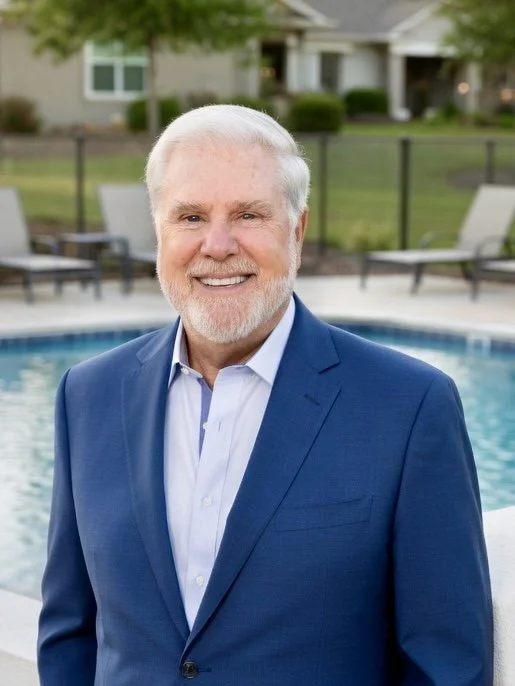
Paul Mengert is Founder and CEO of Association Management Group (AMG), a community association management firm serving communities throughout the Carolinas. With more than four decades of experience, Paul has worked alongside volunteer boards, developers, and homeowners to strengthen financial stability, operational performance, and long-term planning.
Under his leadership, AMG has built a reputation for responsiveness, manager longevity, and customized HOA and condo solutions tailored to each community’s needs. The firm emphasizes CAI-accredited management practices, dedicated board support, proactive maintenance planning, and transparent financial reporting designed to protect property values and reduce financial surprises.
Paul believes strong communities are built on collaboration, education, and responsible financial stewardship—principles that continue to guide AMG’s work with associations across the region.
To learn more, visit amgworld.com.