
When Communication Breaks Down: What the Florida HOA Case Should Teach Us
/
The news out of Florida — where a 77-year-old attorney was recently jailed for contempt of court in an ongoing dispute with his homeowners association — is the kind of headline that makes everyone in our industry pause. It’s an extreme example, certainly, but it offers a sobering look at how quickly neighborhood governance can break down when communication and process give way to confrontation and litigation.
You can read the original coverage here: ClickOrlando
While the full legal details are still unfolding in Orange County, the core issue is one that resonates with HOA boards and homeowners across North Carolina and South Carolina. In more than three decades working in community association management, one truth continues to stand out: communities rarely struggle because of a single disagreement. They struggle when neighbors begin to see each other as adversaries rather than partners in a shared investment.
The Problem Isn’t the Conflict — It’s How We Handle It
A central theme in Lessons from the Neighborhood is that well-managed communities are not defined by the absence of conflict, but by how effectively they manage it. When transparency fades or communication channels feel ineffective, frustration can quickly escalate into formal disputes.
Guidance from Community Associations Institute consistently emphasizes that Board Training & Education, proactive governance, and clear communication are essential to avoiding escalation. Without those elements, even routine concerns—budgets, maintenance, or rule enforcement—can evolve into costly legal challenges.
A Higher Standard for Governance
For board members, transparency remains one of the most effective tools for maintaining trust. In growing Carolina communities, Transparent Financial Reporting, consistent rule enforcement, and detailed documentation are critical to long-term stability. When residents feel uncertain or uninformed, trust can erode quickly—often leading to unnecessary conflict.
For homeowners, understanding governing documents and using established communication channels is equally important. Escalating concerns too quickly can make resolution more difficult and more expensive. In many cases, early dialogue supported by Conflict Resolution Support can prevent disputes from reaching the legal stage.
The Lesson That Stays With Me
At Association Management Group (AMG), the focus has always been on keeping issues at the neighborhood level—where they can be resolved constructively. With Local Carolina Expertise, Dedicated Board Liaison support, and Customized HOA & Condo Solutions, AMG partners with communities throughout North Carolina and South Carolina to strengthen governance and communication.
Through Proactive Maintenance Planning, Vendor Oversight & Accountability, and a strong Reputation for Responsiveness, AMG helps boards and homeowners address concerns early—before they escalate into larger challenges.
Every association must follow its governing documents and applicable state laws, and legal matters should always be handled by qualified attorneys. However, the broader takeaway remains: you cannot litigate your way to a thriving community. Proactive management, structured communication, and a shared commitment to transparency remain the foundation of successful HOA living.
These are the real-world moments explored in Lessons from the Neighborhood. If your board is looking for practical ways to strengthen governance and avoid the cycle of escalation, additional resources are available at www.lessonsfromtheneighborhood.com.
About the Author
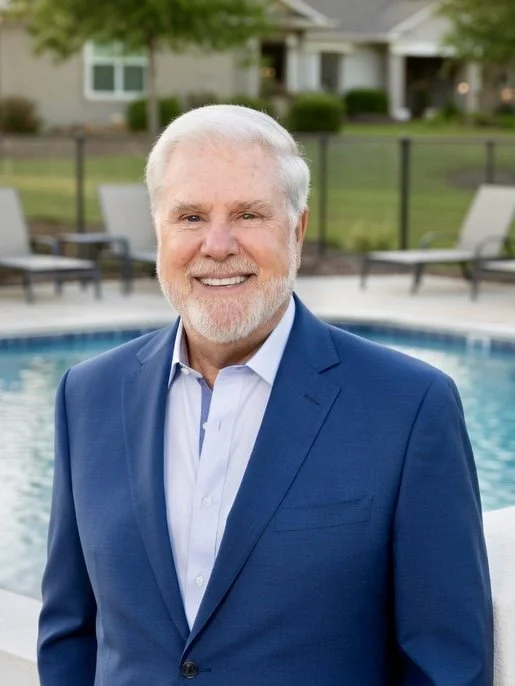
Paul Mengert is a nationally recognized educator and speaker in community association management with more than 30 years of experience. As Founder and CEO of Association Management Group—an AAMC®-accredited firm—he has earned distinctions including Educator of the Year from Community Associations Institute and holds the PCAM® designation.
He teaches governance and decision-making at Wake Forest University School of Law and contributes to a Harvard Business School alumni program. Through Lessons from the Neighborhood, his speaking engagements, and his work with community leaders, he focuses on improving decision-making where governance, finance, and human dynamics intersect.