
Why North Carolina’s 2026 HOA Bills Are Sparking Concern Among Community Associations
/
Several proposed North Carolina HOA law changes for 2026 are generating strong reactions across Greensboro, Winston-Salem, Charlotte, and communities throughout the Carolinas. These bills challenge one of the core purposes of an HOA: balancing individual property rights with neighborhood expectations and property values.
At the center of the debate is a difficult reality. What one homeowner sees as a reasonable personal freedom, another homeowner may see as a direct threat to the visual character, quality of life, or resale value of the community they chose.
Here’s a quick summary of the key bills:
House Bill 1212 (HOA Accessory Limitation Ban): Would limit HOAs’ ability to prohibit solar panels, edible or pollinator gardens, and certain accessory dwelling units (ADUs) that meet building, environmental, and zoning codes.
Supporters highlight benefits for sustainability, lower energy costs, housing flexibility, and homeowner autonomy.
Opponents raise concerns about inconsistent neighborhood appearance, parking strain, drainage issues, and potential overcrowding.0
Senate Bill 1051 (Don’t Zone Out Child Care): Would restrict HOAs from prohibiting licensed in-home family child care businesses.
Supporters point to North Carolina’s growing need for affordable child care and the value of neighborhood-based services for working families.
Other homeowners worry about increased traffic during drop-off and pickup times, limited guest parking, noise, and safety concerns on residential streets. Most Boards are not opposing child care itself — they are focused on preserving the residential character many owners relied upon when purchasing their homes.15
House Bill 1174 (HOA Oversight Act): Would create a publicly searchable North Carolina Department of Justice complaint database for HOA disputes involving fines, records access, meetings, collections, and covenant enforcement.
Supporters believe this creates needed transparency and accountability for poorly governed associations.
Critics worry about unintended consequences. Legitimate complaints deserve visibility, but repetitive or unsubstantiated complaints could also appear publicly. A prospective buyer researching a community may see multiple entries and choose to look elsewhere — potentially affecting property values for the entire neighborhood, even before facts are fully reviewed or resolved.
In our experience, these disputes rarely stay theoretical. One homeowner may view a front-yard garden as environmentally responsible, while neighbors believe it changes the community aesthetic. Nearly every HOA eventually deals with conflict involving a highly dissatisfied owner. Sometimes these highlight real issues. Other times they stem from personal disputes or enforcement disagreements.
What is HOA governance?
HOA governance is the process of balancing individual rights with the collective interests of the community while operating within governing documents and applicable law. That balance is rarely simple.
Resources such as www.amgworld.com and the Lessons from the Neighborhood book series can help Boards better understand how legislative changes often create operational challenges long before legal disputes emerge.
AMG’s Key Guidance for North Carolina HOA Law Changes 2026
Strong communities recognize that rights and restrictions are interconnected. Boards should avoid reacting emotionally or politically to these proposals. Instead, focus on:
Consistent, fair enforcement of existing rules
Clear, proactive communication with homeowners
Understanding how potential changes may affect all residents — not just the loudest voices
Call to Action: If your HOA Board is concerned about how these bills could impact your community, AMG can help. Contact us to discuss preparation strategies, policy reviews, or educational sessions tailored to your association.
About the Author
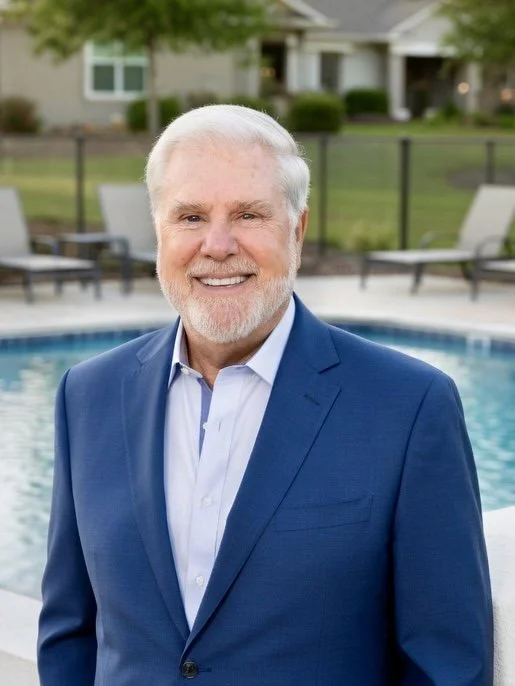
Paul Mengert is a nationally recognized governance strategist with more than 30 years of experience in community association management. As CEO of Association Management Group (AMG), an AAMC®-accredited firm, he is a CAI Educator of the Year and PCAM® designee dedicated to improving HOA leadership and decision-making.
Paul is a longtime guest lecturer at Wake Forest University School of Law and teaches in a Harvard Business School alumni program. Through his Lessons from the Neighborhood book series and his work with community associations throughout the Carolinas, he helps Boards better understand the intersection of governance, finance, and human behavior.