
Who Owns the Street? HOA Parking Rules and What Every Homeowner Should Know
/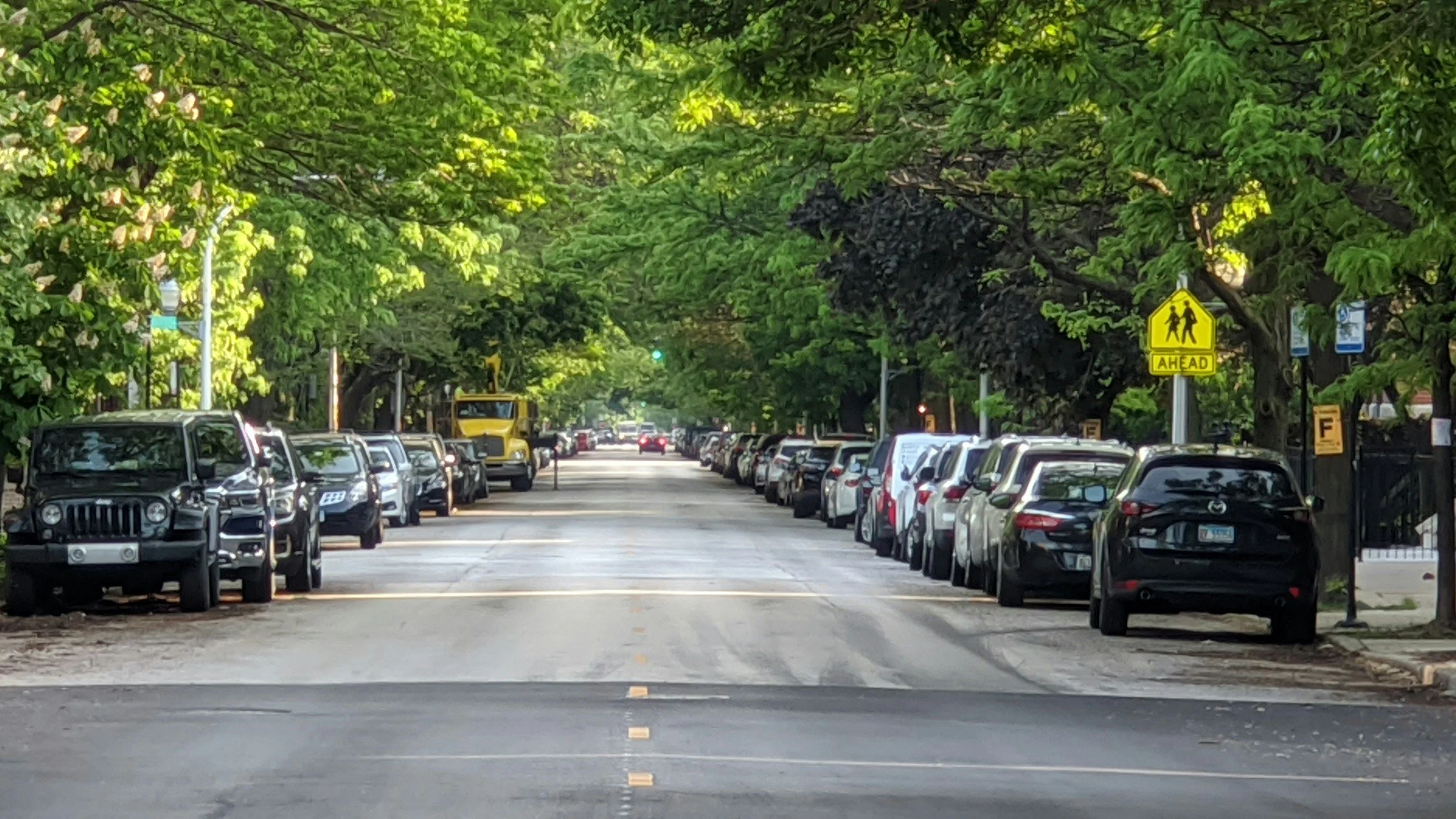
It started with a letter in the mailbox. For one Waterbridge resident, the fine arrived after she parked on the street for just a few hours to clean out her garage. For another — a woman whose husband has been battling cancer — it meant the neighbors, friends, and family who had rallied around her family were no longer welcome to line the street with their cars. "Golf carts, vehicles all down the street, to spend time with him when he couldn't leave the house," she told WMBF. "That was a huge part of why we love this community so much."
The HOA's position, as shared by Waterbridge Board president Gary Wakley, is that the enforcement is not punitive — it reflects both a longstanding community rule and Horry County's own regulations on street parking. He noted that rapid growth and wildfires in the area made stricter enforcement necessary.
Both sides have a point. And that's exactly what makes this story worth unpacking — because it isn't unique to Carolina Forest. Variations of this conflict play out every week in planned communities across the country.
The Governance Question at the Heart of It
Homeowners' associations occupy a peculiar space in American civic life. They are private organizations with government-like powers — the ability to create rules, levy fines, and in some cases, place liens on homes. Yet they operate with far less public accountability than a city council or county commission.
When a rule that sat dormant for nearly two decades is suddenly enforced with daily fines, residents reasonably ask: Was this ever really communicated to us? Was there a process? Who decided, and why now? These are governance questions, not just parking questions.
"We just want to have a conversation with community leaders to find a solution that works for everyone."
— Waterbridge resident Rachel W., as reported by WMBF News
That desire for dialogue is itself revealing. Good HOA governance doesn't just enforce the rules — it communicates changes, explains the reasoning, and ideally invites residents into the process before fines start appearing in mailboxes. The absence of that dialogue is often what turns a manageable policy into a neighborhood crisis.
The Case for Enforcement
Street parking can obstruct sightlines at intersections, raising genuine safety concerns
Rules in the CC&Rs exist precisely to maintain community standards and property values
County regulations may require the HOA to act — the board may have limited discretion
Rapid community growth can change traffic patterns, making older parking habits more disruptive
Consistent enforcement protects the HOA from claims of selective rule application
The Homeowners' Concerns
Years of non-enforcement created a reasonable expectation that the rule was inactive
Sudden enforcement with fines — without a warning period — feels punitive regardless of intent
Households with multiple drivers, teenagers, or guests have real, practical parking needs
$25 per day adds up quickly and disproportionately impacts lower-income households
No clear appeals process or compassionate exemptions (e.g., medical circumstances)
The Jurisdictional Layer Nobody Talks About
One important detail in the Waterbridge story: the HOA president pointed to Horry County rules as a driver of the enforcement, not just community bylaws. This is a nuance that trips up homeowners constantly.
In many communities, there are actually three layers of authority governing what you can do with your property:
1. Municipal or county ordinances. These are government regulations — zoning laws, fire codes, traffic rules — that apply to everyone in the jurisdiction regardless of whether they live in an HOA. In this case, Horry County has its own street parking rules that the HOA may be obligated to enforce.
2. The HOA's CC&Rs (Covenants, Conditions & Restrictions). These are recorded with the county when the community is developed. They run with the land — meaning every owner is legally bound by them whether or not they read them before purchasing. They can be more restrictive than local law, but not less.
3. HOA rules and regulations. These are separate from the CC&Rs and are typically adopted and amended by the board. Importantly, South Carolina law now requires that bylaws and rules and regulations be recorded with the county in order to be enforceable — so a rule that has never been recorded may have no legal teeth, regardless of how long it has appeared in internal HOA documents. This is a meaningful protection for South Carolina homeowners, and one worth verifying with a real estate attorney if you're facing enforcement of a rule you've never seen in recorded form.
Knowing which layer a rule comes from matters. A rule rooted in county ordinance may be non-negotiable for the HOA. A rule that exists only in unrecorded board regulations may be challengeable — in South Carolina especially, the recording requirement gives homeowners a concrete line of inquiry when enforcement feels sudden or unfair.
Steps Toward Better Enforcement — On Both Sides
If you're an HOA board navigating a rule like this, here are practices that tend to reduce conflict and build community trust:
For HOA Boards: Enforcement Best Practices
Issue a community-wide notice with at least 30–60 days advance warning before fines begin
Explain the why — county requirements, safety concerns, or growth pressures deserve plain-language explanation
Establish a formal warning period before any monetary fines are issued
Create an exceptions or appeals process for documented hardship circumstances
Hold a town hall or community meeting to hear resident concerns before enforcement begins
Review fine structures for proportionality — escalating fines over time are often more equitable than flat daily rates
Consider alternatives: visitor passes, designated overflow parking areas, or timed street parking windows
If you're a homeowner who has received a fine or anticipates one, you have options too. Start by requesting the specific rule in writing, along with any county or state regulation the HOA says it's based on. Verify that independently. Then review your HOA's enforcement procedures — most governing documents require a specific process, and deviations from that process may make a fine unenforceable. You can also request to speak at the next board meeting; HOAs in most states are required to allow homeowners to address the board at open meetings.
What Buyers Should Look for Before They Sign
The honest truth? Many of the heartaches in HOA communities could be avoided with better due diligence before purchase. Here is what we recommend reviewing — ideally with your real estate agent and a real estate attorney — before closing on any home in a planned community.
Home Buyer's HOA Due Diligence Checklist
Count the parking spaces. How many dedicated spaces does the home have — in a garage, on a driveway, or in an assigned lot? Do the math against your household's actual vehicle count.
Read the parking rules in full. Not just the summary. Look for street parking restrictions, overnight guest rules, RV and boat storage policies, and commercial vehicle clauses.
Ask about enforcement history. An HOA that has never enforced a rule may begin doing so — especially if new management or new board members come in. Ask neighbors directly, not just the seller.
Review the CC&Rs, bylaws, AND rules/regulations separately. These are different documents with different legal weights. Request all three.
Check county and municipal ordinances. Understand the baseline layer of law before assuming the HOA has flexibility.
Review recent board meeting minutes. A good HOA will provide these. They reveal pending rule changes, ongoing disputes, and the overall governance culture.
Look at the fine schedule. What does the HOA charge for violations? Are there caps? Is there an appeals process?
Talk to current residents. Walk the neighborhood. Ask people how they feel about the HOA. Their candor is irreplaceable.
Consider your lifestyle honestly. Do you host often? Do you have teenage drivers? Do you work from a vehicle? Match the community's rules to your real life, not your ideal life.
The Bigger Picture: Community or Corporation?
HOAs exist on a spectrum. At their best, they maintain shared spaces beautifully, build a sense of neighborhood, and protect property values in ways that individual homeowners simply can't on their own. At their worst, they become adversarial bureaucracies that leave residents feeling policed rather than represented.
The Waterbridge situation doesn't have to be a story about an HOA gone wrong. It could become a story about a community that found a better way to balance legitimate safety and compliance needs with genuine compassion for its residents. That outcome is possible — but it requires dialogue, transparency, and a shared understanding that enforcement is a means to community wellbeing, not an end in itself.
The neighbors who spoke to WMBF weren't asking for the rules to disappear. They were asking for a conversation. That's not an unreasonable ask. And for HOAs everywhere, meeting that ask — proactively, before the letters go out — is the mark of governance done right.
The best HOA rules are the ones residents understand, accept as fair, and rarely have to be reminded of.
Whether you're a current homeowner navigating a dispute, a board member weighing enforcement decisions, or a buyer doing your homework, we hope this gives you a useful framework. And if you have questions about a specific situation in your community, feel free to reach out — this is exactly the kind of conversation we're here for at AMG World.