
HOA Board Decision Making in Greenville, Greensboro, Charlotte, Raleigh and everywhere in the Carolinas: What Mistakes Can Teach Community Leaders
/
Board members often worry about making the wrong decision.
That concern is understandable. Every significant vote involves competing priorities, limited information, financial implications, and homeowner expectations. Whether the topic is a reserve study, a special assessment, a contract renewal, or a covenant enforcement issue, there is always pressure to get it right.
What many experienced leaders eventually learn is that mistakes and failures are not the same thing. Understanding that distinction can help HOA boards govern more effectively and recover more quickly when decisions do not produce the expected outcome.
Failure and Mistakes Are Not the Same Thing
A failure can occur even when a board follows a thoughtful process.
A community may approve a capital project, select a qualified contractor, review references, and perform appropriate vendor oversight. Even with strong planning, unexpected circumstances can derail the project. Costs may increase. Materials may become unavailable. A contractor may experience workforce shortages.
Those situations are frustrating, but they are not necessarily mistakes.
Mistakes typically involve something different. They often emerge from poor assumptions, emotional reactions, incomplete analysis, or decisions made without fully understanding the circumstances.
For HOA governance, this distinction matters.
If boards treat every unfavorable outcome as a mistake, they may become overly cautious and avoid necessary decisions. If they fail to recognize actual mistakes, they risk repeating them.
Strong community association management helps boards understand the difference so lessons can be learned without creating fear around future decisions.
Looking Beyond the Decision Itself
When something goes wrong, most people focus on the final vote.
In our experience, the more valuable lessons are usually found before the decision was made.
What assumptions influenced the discussion?
What information was missing?
Were board members reacting to homeowner pressure?
Was there concern about increasing assessments or funding reserves?
Those questions often reveal more than the outcome itself.
We have seen this play out more than once. A board delayed a significant maintenance project because several members worried homeowners would react negatively to the expense. The discussion focused almost entirely on avoiding short term criticism rather than the long term condition of the property. Two years later, repair costs increased substantially.
The actual mistake was not the final vote.
The mistake occurred earlier when fear of homeowner reaction became the primary factor driving the conversation.
That distinction changed how the board approached future decisions.
Asking “Why?” Until You Reach the Real Issue
One useful exercise for HOA board responsibilities is repeatedly asking a simple question.
Why?
A board may postpone reserve funding.
Why?
Because assessments would need to increase.
Why is that a concern?
Because homeowners may object.
Why is homeowner objection driving the decision?
Because board members are concerned about conflict.
At some point, the conversation shifts from finances to human behavior.
That is where many governance challenges originate.
On paper, decisions often appear straightforward. In practice, they are shaped by emotion, relationships, assumptions, and personal experiences.
Boards that examine these underlying influences tend to make better long term decisions.
The Value of Outside Perspective
One of the biggest risks in HOA governance is operating inside an echo chamber.
Boards can unintentionally reinforce assumptions without realizing alternative viewpoints exist.
This is why experienced management professionals, reserve specialists, auditors, attorneys, and trusted advisors can be valuable resources.
An outside perspective often identifies blind spots that are difficult for volunteers to see on their own.
A management professional may recognize patterns from dozens of similar communities.
A reserve specialist may highlight future risks that are not obvious today.
Legal counsel may identify governing document provisions that significantly affect available options.
Most governing documents provide boards with authority to seek professional guidance when making significant decisions. Using that authority wisely can help communities avoid repeating common mistakes.
For boards in Charlotte, Raleigh, Greensboro, and throughout North Carolina and South Carolina, objective input frequently improves both decision quality and homeowner confidence.
Learning Without Carrying the Weight Forever
Some boards spend years revisiting a past mistake.
The topic resurfaces during meetings. New proposals are compared to old failures. Progress slows because confidence never fully returns.
That approach rarely helps the community.
Mistakes deserve honest reflection. They do not deserve permanent control over future decisions.
The healthiest boards acknowledge what happened, identify the lesson, adjust their process, and move forward.
The same principle applies to community association management.
Whether the issue involved vendor management, HOA communication, financial planning, or project oversight, the goal is improvement rather than punishment.
Communities evolve when leaders are willing to learn without becoming trapped by the past.
What This Means for HOA Boards in The Carolinas
Communities across North Carolina and South Carolina face increasingly complex decisions involving reserve funding, infrastructure maintenance, insurance costs, and homeowner expectations.
Mistakes will happen.
Every experienced board member has one decision they would handle differently today.
The objective is not perfection.
The objective is creating a decision making process that consistently improves over time.
Boards that distinguish mistakes from failures, examine their assumptions, seek outside perspectives, and learn lessons promptly are typically better equipped to serve their communities over the long term.
For board members looking to strengthen governance practices, resources available through www.amgworld.com and the Lessons from the Neighborhood book series provide practical insights into how real communities navigate these challenges every day.
Paul’s Key Guidance
If I could give one piece of advice to every HOA board, it would be this: pay close attention to the emotion in the room before you pay attention to the vote.
Most governance mistakes do not begin with bad intentions. They begin when fear, frustration, urgency, or conflict quietly influences the discussion.
When a board is debating a major issue, ask what concern is driving each position. Sometimes the real issue is not the contract, the reserve contribution, or the policy itself. Sometimes it is discomfort with conflict or concern about homeowner reaction.
Once you understand the motivation behind a position, better decisions usually follow.
The communities that govern most effectively are not the ones that avoid mistakes. They are the ones that learn from them quickly and continue moving forward.
About the Author
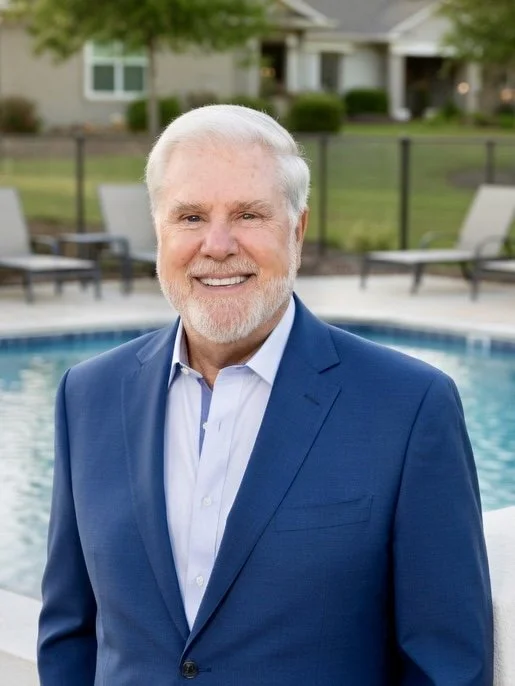
Paul Mengert is a premier educator and strategist with over 30 years of expertise in community association management. As CEO of Association Management Group (AMG), an AAMC®-accredited firm, he is a CAI Educator of the Year and a PCAM® designee dedicated to elevating professional and volunteer leadership.
A governance advisor and a decision maker strategist, Paul teaches at Wake Forest University School of Law and a Harvard Business School alumni program. His global influence includes advising the U.S. Department of State on housing initiatives in the former Soviet Union and chairing the Piedmont Triad International Airport Authority, earning him the “Most Admired CEO” title from the Triad Business Journal. Through his book series, Lessons from the Neighborhood, and his work at AMG, Paul provides community leaders with the essential framework to master the intersection of finance, law, and human dynamics.