Rising HOA Fees: What Carolinas Homebuyers and Boards Need to Face Head-On

If you’re buying a home in North Carolina or South Carolina right now, the sticker price and mortgage rate aren’t the full story. There’s another number that can quietly reshape your budget for years: the HOA or condo association fee.

Recent reporting from MoneyWise confirms what many HOA boards and homeowners across the Carolinas are already experiencing—monthly dues are rising steadily. In fast-growing markets like Charlotte, Greensboro, and Raleigh, fees in the $400 to $500+ range are becoming increasingly common. When combined with rising insurance premiums and overall cost-of-living increases, these fees can significantly impact long-term affordability.

The Carolinas Reality Behind the Increases

The rapid growth of HOA and condo communities throughout North Carolina and South Carolina means more volunteer boards are managing increasingly complex responsibilities—from infrastructure and amenities to long-term capital planning.

At the same time, they’re facing real financial pressure:

Rising labor and material costs

Increasing insurance premiums

Aging infrastructure in communities reaching major repair cycles

These pressures are not temporary. They are structural—and they require proactive planning.

The Most Dangerous Risk: Underfunded Reserves

One of the most common challenges in HOA management is underfunded reserves. Boards often delay necessary maintenance to keep dues low, but that decision rarely holds up over time.

In one Greensboro townhome community, exterior repairs were postponed for several years to avoid increasing fees. What began as a manageable project eventually led to significant structural damage and a large special assessment that impacted every homeowner at once.

This pattern is not unique. As highlighted by Community Associations Institute, reserve studies and long-term financial planning are essential to avoiding sudden financial burdens. Communities that prioritize Transparent Financial Reporting and Proactive Maintenance Planning are far better positioned to maintain stability.

What Smart Boards and Homeowners Are Doing Differently

Boards that are navigating rising costs successfully tend to focus on a few key practices:

Clear, consistent financial communication with homeowners

Professional reserve studies and realistic budgeting

Early engagement when difficult financial decisions arise

For buyers, due diligence is critical. Review HOA financials, reserve studies, and any planned capital projects before closing. For current homeowners, engagement matters—attending meetings and asking informed questions can make a meaningful difference.

In one Charlotte community, a group of homeowners worked with their board and management team to review vendor contracts and long-term maintenance plans. With improved Vendor Oversight & Accountability, the association was able to stabilize costs while maintaining service levels—demonstrating how collaboration can lead to better outcomes.

A Proactive Approach to HOA Management in the Carolinas

This is where Association Management Group (AMG) provides measurable value. As a trusted HOA management company in North Carolina and South Carolina, AMG brings Local Carolina Expertise and Proven Results for 40+ Years to communities facing rising financial pressures.

Through Budget Optimization, Transparent Financial Reporting, and Proactive Maintenance Planning, AMG helps boards plan ahead rather than react. Their Dedicated Board Liaison model, combined with a strong Reputation for Responsiveness, ensures that communication remains clear and consistent.

Backed by CAI-Accredited Management (AAMC®, PCAM®) and recognized for maintaining some of the Highest Google Ratings in the region, AMG delivers Customized HOA & Condo Solutions designed to support long-term financial stability and community success.

Bottom Line

Rising HOA fees are not a sign of failure—they are a reflection of the real costs required to maintain well-run communities. What separates strong associations from struggling ones is how proactively they address those costs.

As always, boards and homeowners should consult qualified financial and legal professionals and rely on their governing documents and state statutes. But the broader lesson is clear: successful communities don’t just react to financial pressure—they plan for it, communicate about it, and manage it with discipline.

For more practical insights on governance, reserves, and community leadership, visit www.lessonsfromtheneighborhood.com.
About the Author

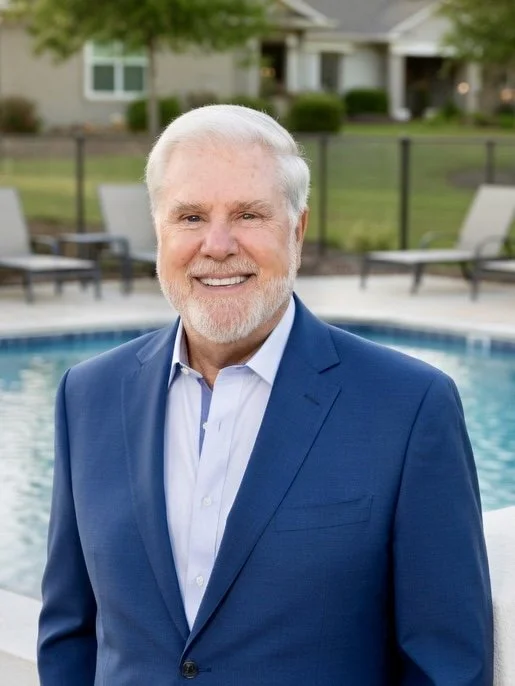
Paul Mengert is a nationally recognized educator and speaker in community association management with more than 30 years of experience. Founder and CEO of Association Management Group—an AAMC®-accredited firm—he was named Educator of the Year by Community Associations Institute and holds the PCAM® designation.

Paul teaches governance and decision-making at Wake Forest University School of Law and in a Harvard Business School alumni program. His work has included advising the U.S. Department of State, and he has served as chair of the Piedmont Triad International Airport Authority. He was also named a Most Admired CEO by the Triad Business Journal.

Through Lessons from the Neighborhood, his speaking engagements, and his partnership with CAI, Paul helps community leaders make better decisions under pressure—where governance, finance, and human dynamics intersect.

When Communication Breaks Down: What the Florida HOA Case Should Teach Us

The news out of Florida — where a 77-year-old attorney was recently jailed for contempt of court in an ongoing dispute with his homeowners association — is the kind of headline that makes everyone in our industry pause. It’s an extreme example, certainly, but it offers a sobering look at how quickly neighborhood governance can break down when communication and process give way to confrontation and litigation.

You can read the original coverage here: ClickOrlando

While the full legal details are still unfolding in Orange County, the core issue is one that resonates with HOA boards and homeowners across North Carolina and South Carolina. In more than three decades working in community association management, one truth continues to stand out: communities rarely struggle because of a single disagreement. They struggle when neighbors begin to see each other as adversaries rather than partners in a shared investment.

The Problem Isn’t the Conflict — It’s How We Handle It

A central theme in Lessons from the Neighborhood is that well-managed communities are not defined by the absence of conflict, but by how effectively they manage it. When transparency fades or communication channels feel ineffective, frustration can quickly escalate into formal disputes.

Guidance from Community Associations Institute consistently emphasizes that Board Training & Education, proactive governance, and clear communication are essential to avoiding escalation. Without those elements, even routine concerns—budgets, maintenance, or rule enforcement—can evolve into costly legal challenges.

A Higher Standard for Governance

For board members, transparency remains one of the most effective tools for maintaining trust. In growing Carolina communities, Transparent Financial Reporting, consistent rule enforcement, and detailed documentation are critical to long-term stability. When residents feel uncertain or uninformed, trust can erode quickly—often leading to unnecessary conflict.

For homeowners, understanding governing documents and using established communication channels is equally important. Escalating concerns too quickly can make resolution more difficult and more expensive. In many cases, early dialogue supported by Conflict Resolution Support can prevent disputes from reaching the legal stage.

The Lesson That Stays With Me

At Association Management Group (AMG), the focus has always been on keeping issues at the neighborhood level—where they can be resolved constructively. With Local Carolina Expertise, Dedicated Board Liaison support, and Customized HOA & Condo Solutions, AMG partners with communities throughout North Carolina and South Carolina to strengthen governance and communication.

Through Proactive Maintenance Planning, Vendor Oversight & Accountability, and a strong Reputation for Responsiveness, AMG helps boards and homeowners address concerns early—before they escalate into larger challenges.

Every association must follow its governing documents and applicable state laws, and legal matters should always be handled by qualified attorneys. However, the broader takeaway remains: you cannot litigate your way to a thriving community. Proactive management, structured communication, and a shared commitment to transparency remain the foundation of successful HOA living.

These are the real-world moments explored in Lessons from the Neighborhood. If your board is looking for practical ways to strengthen governance and avoid the cycle of escalation, additional resources are available at www.lessonsfromtheneighborhood.com.

About the Author

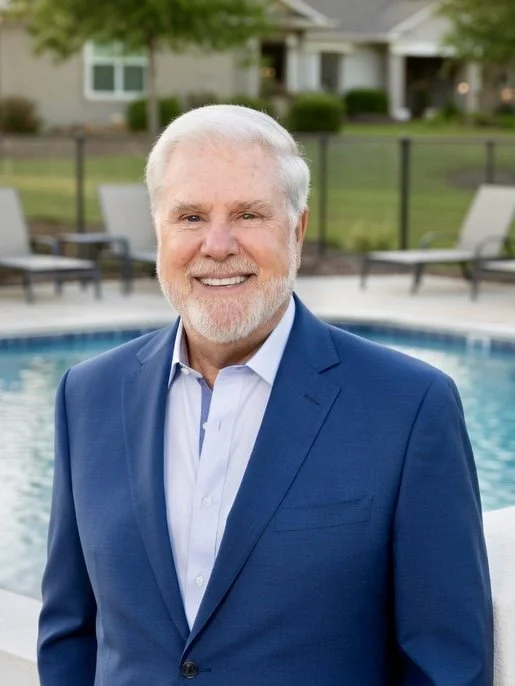
Paul Mengert is a nationally recognized educator and speaker in community association management with more than 30 years of experience. As Founder and CEO of Association Management Group—an AAMC®-accredited firm—he has earned distinctions including Educator of the Year from Community Associations Institute and holds the PCAM® designation.

He teaches governance and decision-making at Wake Forest University School of Law and contributes to a Harvard Business School alumni program. Through Lessons from the Neighborhood, his speaking engagements, and his work with community leaders, he focuses on improving decision-making where governance, finance, and human dynamics intersect.
Lessons from the Neighborhood: Why This Series Matters More Than Ever

If you’ve spent any time around a community association boardroom, you already know this:

Leading a community isn’t simple.

It looks simple from the outside. A few meetings. A budget. Some rules. Maybe a landscaping contract and an annual meeting.

Then reality shows up.

A roof fails earlier than expected. An owner challenges a rule. Costs go up faster than anyone planned. A decision that seemed small at the time starts to echo through the community months later.

And suddenly, what felt like volunteer service starts to feel like real governance. Because it is.

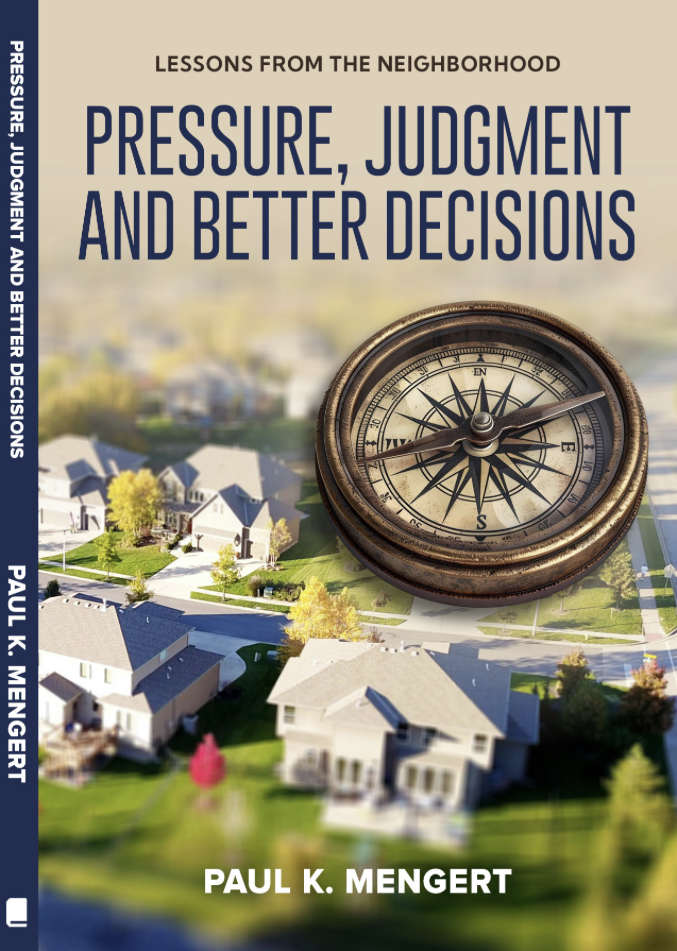
That’s exactly why Lessons from the Neighborhood was written.

Where This Series Came From

In many cases, community associations don’t struggle because people don’t care.

They struggle because people care… without having a clear framework for the decisions in front of them.

Over decades working with boards, managers, and communities across different markets, one pattern shows up again and again:

Problems rarely start with bad intent.

They start with hesitation.

A board delays a reserve increase to avoid pushback.

A maintenance issue gets “monitored” instead of addressed.

A rule is enforced inconsistently because no one wants conflict.

A budget is built around comfort instead of reality.

None of those decisions feel dramatic in the moment.

Over time, they compound.

That’s the gap this series is designed to fill. Not theory. Not legal language for the sake of it. Practical guidance rooted in how decisions actually get made in communities where people see each other at the mailbox.

What Makes Lessons from the Neighborhood Different

There are plenty of resources that explain what the rules are.

Fewer explain how those rules play out in real life.

Here’s the distinction. On paper, governance looks clean. Structured. Predictable.

In practice, it’s not.

It’s shaped by human behavior. By competing priorities. By financial pressure. By the natural tendency to avoid difficult conversations.

In my experience, governance failure doesn’t usually begin with misunderstanding the law.

It begins with avoiding reality.

This series is built around that truth.

Each pocketbook focuses on a core area of responsibility, but always through the same lens: how real boards make decisions under real pressure.

A Practical Roadmap for Community Leadership

The series is organized into five focused pocketbooks, each addressing a different dimension of community governance.

1. Governance and Legal Foundations

This is where everything begins.

Associations are not informal groups. They are corporate entities with defined authority, responsibilities, and limitations.

Understanding governing documents, fiduciary duties, and decision-making structure isn’t optional. It’s foundational.

Because here’s the rub:

Authority in a community does not come from personality.

It comes from documents and law.

Boards that understand that tend to make more consistent, defensible decisions. Those that don’t often find themselves navigating confusion and conflict.

2. Financial Stewardship and Long-Term Stability

This is where many communities quietly drift off course.

Financial issues in associations rarely begin with a crisis.

They begin with optimism.

A delayed increase.

An assumption that costs will stabilize.

A reserve study treated as a suggestion instead of a warning.

Over time, those decisions catch up.

Financial stewardship in a shared community is not just about balancing this year’s budget. It’s about aligning today’s decisions with obligations that may not fully show up for 10 or 20 years.

Handled well, it builds trust.

Handled poorly, it creates surprises. And surprises in community associations are rarely small.

3. Physical Asset Management and Infrastructure Planning

Buildings do not respond to optimism.

They respond to maintenance. Or the lack of it.

Roofs age. Roads deteriorate. Systems fail. Not maybe. Will. 

In many cases, the biggest risks facing a community are not the visible problems.

They are the quiet ones.

The deferred repair.

The delayed replacement.

The report that sits on the table a little too long.

I’ve seen this play out poorly more than once.

The issue usually isn’t that the board didn’t know. It’s that the timing felt inconvenient.

Until timing was no longer a choice.

4. Community Leadership, Communication, and Culture

This is the part no one talks about enough.

Documents define authority. Leadership defines outcomes.

Two boards can face the same issue and create completely different results based on how they communicate, how they manage conflict, and how they set expectations.

In many cases, community tension isn’t caused by the decision itself.

It’s caused by how the decision is handled. Or avoided.

Or explained too late.

Healthy communities are not conflict-free.

They are well-led.

5. Tactical Smarts: Reducing Stress and Improving Decisions

This final piece brings everything together.

Because governance doesn’t happen in ideal conditions.

It happens with incomplete information. Competing priorities. Time pressure. And the reality that the people affected by your decisions are your neighbors.

This pocketbook focuses on judgment.

Not perfect decisions. Better decisions.

Earlier decisions.

Clearer thinking under pressure.

Because in community associations, the difference between manageable and expensive is often one thing:

Timing.

Why This Matters Right Now

Community associations are not getting simpler.

Costs are rising.

Regulatory environments continue to evolve.

Owners are more informed and, in many cases, more vocal.

Infrastructure across the country is aging at the same time boards are trying to keep assessments reasonable.

That combination creates pressure.

And pressure exposes gaps.

Some communities have found that when leadership is grounded in structure, discipline, and communication, those pressures can be managed.

Others discover those gaps the hard way. Through special assessments, deferred maintenance, or loss of trust.

This series exists to help boards land on the first path more often than the second.

A Quick Reality Check

Let me offer one simple observation.

Most board members do not sign up thinking they are about to oversee:

  • A multi-million dollar budget

  • Long-term capital planning

  • Contract negotiations

  • Risk management decisions

  • And a form of neighborhood-level governance

But that’s exactly what the role becomes.

One director said it best:

“I thought I joined a committee. I didn’t realize I was helping run a small corporation.”

That shift in understanding changes everything.

Who This Series Is For

This series was written for:

  • Volunteer board members trying to do the right thing

  • Community managers balancing multiple demands

  • Developers transitioning control to homeowners

  • Industry professionals supporting association governance

But more than anything, it was written for people making decisions that affect where others live.

That responsibility deserves clarity.

Final Thought

Governance done well rarely gets attention.

Governance done poorly almost always does.

Lessons from the Neighborhood is not about perfection. It’s about improving how decisions are made before small issues turn into expensive problems or strained communities.

Because in the end, this isn’t just about budgets, buildings, or bylaws.

It’s about people. Living next to each other. Sharing responsibility for something that matters.

Want a deeper look at the inspiration behind the series and what’s coming next?

www.lessonsfromtheneighborhood.com

And in the spirit of World Book Day, I’ll ask you the same question we’re asking our community:

What are you reading or listening to right now?

About the author:

Paul K. Mengert is a nationally recognized educator in community association management and the Founder and CEO of Association Management Group, Inc., with more than 30 years of experience advising boards and leadership teams across the United States and internationally.

A thought leader within the Community Associations Institute (CAI), he was named CAI Educator of the Year, holds the prestigious PCAM® designation, and teaches governance and decision-making at Wake Forest Law School and in a Harvard Business School alumni program.

He has been named a Most Admired CEO by the Triad Business Journal, served as a housing advisor to the United States Department of State, and chaired the Piedmont Triad International Airport Authority.

His work focuses on helping community leaders make better decisions under pressure, where governance, finance, and human dynamics intersect, and where the consequences are real.

Rising HOA Fees Aren’t a Surprise. But They Are a Signal.

I have spent most of my career walking communities through financial decisions that nobody enjoys making. Fee increases. Reserve funding. Special assessments. These are not popular conversations, and they never have been. What feels different right now is the pace and the scale.

A recent Wall Street Journal article, “Surging HOA Fees Are Pushing Homeowners to the Brink,” highlights what many of us are seeing on the ground. You can read it here:

https://www.wsj.com (search the article title for full access)

Across North and South Carolina, I am seeing budgets move in ways that would have seemed aggressive just a few years ago. Condo assessments pushing up 20 to 30 percent over a few cycles. Single-family HOA dues climbing in tandem. Homeowners are asking if something is broken. Board members are asking if they missed something. The honest answer is simpler and more uncomfortable. This is inflation working its way through a system that depends heavily on labor, materials, and energy.

The Reality Behind the Numbers

It is easy to look at a line item called “landscaping” or “repairs and maintenance” and assume those costs should be stable. In practice, they are some of the most variable parts of any association budget.

Take landscaping. It is one of the most energy-intensive services an HOA purchases. Crews run trucks, trailers, mowers, blowers, trimmers. Most of that equipment still runs on fossil fuels. When fuel costs rise, landscaping contracts tend to follow. Not always immediately, but over time.

Roofing and paving tell a similar story. Asphalt is tied directly to petroleum. Roofing materials rely on energy-heavy manufacturing and transportation. When energy prices move, these categories often move with them. Even a well-maintained community can see notable increases in contract pricing without any change in scope.

Labor is the other piece that cannot be ignored. The Carolinas have grown rapidly. Demand for skilled trades has outpaced supply in many markets. Vendors are paying more to retain workers, and those costs are reflected in pricing. It is not necessarily opportunistic. It is often the cost of keeping crews staffed and projects completed.

A Story I See Too Often

A few years ago, I sat with a board that had kept dues low for a long time. They were proud of it. Homeowners appreciated it. On paper, everything looked fine.

But the reserve study told a different story. Roofing was underfunded. Pavement was aging. The irrigation system was failing in sections. For years, the board had deferred increases to avoid pushback.

Then inflation accelerated. The cost to replace those roofs was no longer what it had been when the reserve study was first done. It was significantly higher. The same was true for paving and mechanical systems.

The result was a special assessment that caught many homeowners off guard. Not because the board was careless, but because the timing collided with a broader economic shift.

I have seen variations of that story across both states. It is not unique. It is what can happen when long-term planning meets short-term hesitation during a period of rising costs.

Why Energy Costs Matter More Than People Think

When homeowners hear “energy costs,” they often think about their power bill. In community management, energy shows up in less obvious ways.

It is in the diesel for landscaping fleets.

It is in the production of asphalt and roofing materials.

It is in the transportation of supplies across increasingly complex logistics networks.

Associations are not buying a single product. They are buying a chain of services, many of which are energy dependent. When that chain becomes more expensive, assessments tend to reflect it over time.

The Pressure on Boards

Board members are volunteers. They are also neighbors. Raising dues means asking fellow homeowners to pay more each month. That is never easy, especially when household budgets are already tight.

But avoiding increases does not eliminate the cost. It often delays it. And delay, in this environment, can make things more difficult later.

This is where structure matters. Communities that rely on Proactive Maintenance Planning and consistent reserve studies are generally better positioned. They can adjust gradually instead of reacting suddenly. They can communicate clearly because they have data behind their decisions.

It is also where Transparent Financial Reporting becomes important. Homeowners are more likely to understand increases when they can see where the money is going and why. Tools that support Board Empowerment and ongoing Board Training & Education can make those conversations more productive.

The Role of a Management Partner

A management company cannot control inflation. What it can do is help boards navigate it in a more organized and informed way.

That often starts with Budget Optimization. Not cutting corners, but reviewing contracts, timing projects carefully, and helping ensure associations are using resources efficiently.

It continues with Vendor Oversight & Accountability. In a rising cost environment, the difference between a well-managed vendor relationship and a loose one can be meaningful. Scope clarity, performance standards, and competitive bidding all play a role.

It also includes Insurance & Risk Coordination, which has become one of the fastest-growing cost pressures. Premiums are rising across many markets, particularly in coastal and storm-exposed areas of the Carolinas. Associations often benefit from working closely with qualified insurance professionals to evaluate options.

And just as important, consistency matters. Communities tend to benefit from Manager Longevity, where relationships, historical knowledge, and vendor networks are not constantly resetting. Combined with CAI-Accredited Management (AAMC®, PCAM®) standards, this can provide a more steady and informed approach to decision-making over time.

A More Personal Reflection

I have owned and operated a community management company for a long time. I have seen cycles come and go. This one feels different not because it is unprecedented, but because it is layered. Inflation, labor pressures, insurance trends, and energy costs are all moving at once.

There is no single lever that resolves it.

What I often share with boards is this. The goal is not simply to keep fees low. The goal is to maintain the community’s long-term financial health and physical condition. Those two things are not always aligned in the short term.

Homeowners, for their part, are right to ask questions. They should expect clarity, discipline, and fairness. They should also understand that many of these increases are influenced by broader economic conditions affecting multiple industries.

Where This Goes Next

Costs may stabilize over time, but the baseline has likely shifted. Communities that adapt earlier tend to be in a stronger position than those that wait.

That means regular reserve studies. It means realistic budgeting. It means open communication between boards, managers, and homeowners.

It also helps to work with teams that bring Local Carolina Expertise, particularly in markets that continue to grow and change quickly.

At the end of the day, rising HOA fees are not just a burden. They are also a signal. A signal that the cost of maintaining shared property has changed. Communities that recognize that and plan accordingly are often better positioned over time, even if the path is uncomfortable.

For those in the middle of it right now, these conversations are happening everywhere. And while the numbers may be higher than anyone would like, the fundamentals of community management remain steady. Plan ahead. Communicate clearly. Stay disciplined.

FROM WALL STREET TO MAIN STREET: THE POWER OF DISCIPLINED GOVERNANCE

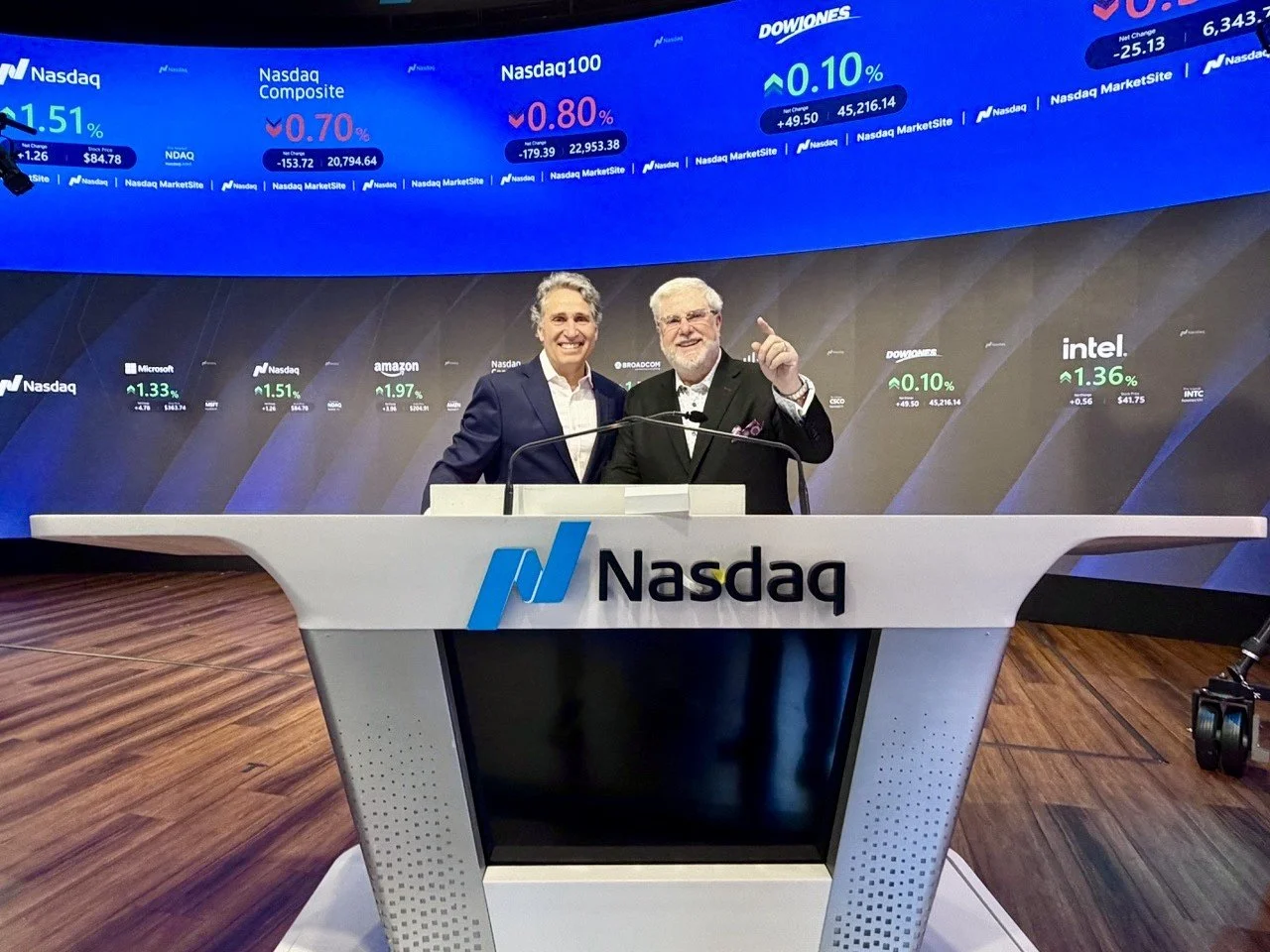
Byron Loflin (left) and Paul Mengert: Bridging the gap between corporate and community board governance.

March 31, 2026

New York — Standing on the floor of Nasdaq this morning for the Opening Bell carried a certain clarity, the kind that sharpens your thinking about decisions, leadership, and accountability. Sharing that moment with my Harvard Business School classmate Byron Loflin made it even more meaningful. Byron’s work as Global Head of Board Advisory at Nasdaq Governance Solutions sits at the intersection of structure and judgment, exactly where leadership either holds steady or begins to drift.

As Apple marked its 50th anniversary with Tim Cook ringing the bell, the symbolism was unmistakable: enduring organizations are built not on singular moments, but on disciplined decisions made consistently over time. Byron’s work reflects that reality. He helps boards slow down, evaluate themselves, and operate with intention rather than reacting to pressure or personalities.

Apple marks its 50th anniversary with Tim Cook ringing the Nasdaq Opening Bell.

Over the years, Byron has guided boards through assessments that reveal a consistent theme: governance challenges are rarely about intelligence or experience; they are about judgment under pressure. Are we aligned? Are we asking the right questions? Are we making decisions that will hold up over time? a theme I explore more deeply in my upcoming series, Lessons from the Neighborhood.

While Byron’s work is often on Wall Street and in global boardrooms, mine is on Main Street, in the neighborhood, specifically within community associations where governance becomes far more personal and immediate. The scale may be different, but the pressure is no less real. In these neighborhoods, decisions impact not just balance sheets, but daily life: the condition of shared property, the tone of communication, and the trust residents place in their elected boards.

I’ve seen firsthand how easily boards can be pulled off course, not from a lack of care, but from the cumulative effect of small pressures. A delayed reserve contribution here. A difficult enforcement decision avoided there. A vendor issue handled reactively instead of systematically. These are not dramatic failures; they are gradual shifts away from disciplined governance, and over time, they compound.

That’s exactly what Lessons from the Neighborhood addresses across governance, financial planning, maintenance, and leadership. It provides a framework for making consistent, defensible decisions rooted in authority and long-term thinking. In parallel, Pressure, Judgment & Better Decisions focuses on the human side of leadership, how professionals and board members can maintain clarity when demands, expectations, and decisions begin to stack up.

Byron’s emphasis on structured evaluation mirrors this approach. His work reinforces that strong boards don’t just act, they examine how they think, how they decide, and how they perform over time. Whether in a corporate boardroom or a neighborhood association, the responsibility is fundamentally the same: to lead with discipline, not just intention.

This morning at Nasdaq was more than a ceremony. It was a reminder that good governance, at any level, is quiet, consistent, and often unseen. Byron’s work operates at a global scale, while mine is rooted in the everyday realities of community associations across middle America. But the principle we share is simple: better outcomes come from better thinking, especially when it matters most.

To learn more about Mengert’s Lessons from the Neighborhood series and join the mailing list, visit: www.LessonsFromtheNeighborhood.com

To explore Byron Loflin’s published work, visit: CEO Ready: What You Need to Know to Earn the Job--and Keep the Job

About the Author

Paul Mengert is Founder and CEO of Association Management Group (AMG), a community association management firm serving communities throughout the Carolinas. With more than four decades of experience, Paul has worked alongside volunteer boards, developers, and homeowners to strengthen financial stability, operational performance, and long-term planning.

Under his leadership, AMG has built a reputation for responsiveness, manager longevity, and customized HOA and condo solutions tailored to each community’s needs. The firm emphasizes CAI-accredited management practices, dedicated board support, proactive maintenance planning, and transparent financial reporting designed to protect property values and reduce financial surprises.

Paul believes strong communities are built on collaboration, education, and responsible financial stewardship—principles that continue to guide AMG’s work with associations across the region.

To learn more, visit amgworld.com.

Spotting Financial Scams Before It’s Too Late

Almost every week every week we hear about a financial scam. The following may be useful. Always look for tell tale signs, such as:

  • Urgency

  • Secrecy

  • Fantasy

Spot a scam before it costs you

Many scams don't look like scams—they masquerade as relationships. So how can you tell when something may not be what you think it is?

Watch for these tell-tale behaviors:

  • Urgency that feels like pressure.

  • Secrecy that insists on silence.

  • Fantasy that seems too good to be true.

Once you know the pattern, it's easier to pause before it costs you. Romance scams may feel like love. Investment scams may feel like a partnership—but taking a moment to slow down can make all the difference. It should never feel rushed, hidden or too good to be true.

Thanks to our friends at UBS Financial Advisor for the above helpful information. For more information contact your financial advisor or attorney.

Japan Bets Big on U.S. Housing Market

Japanese homebuilders are investing heavily in the U.S. housing market, acquiring American builders in multibillion-dollar deals as growth slows in Japan due to its aging population. These companies have significantly increased their presence since 2020 and are expected to control a growing share of the U.S. market. Despite higher interest rates, they are pursuing long-term expansion strategies in a more stable housing environment. Their entry is also bringing new construction approaches, including more factory-built housing methods.

Read More: WallStreetJournal

Condo Owners Fight for Flood Protection

Residents of the River Island Condominium Association in Woonsocket are facing ongoing flood risks after an appeal for federal funding to build flood protection measures was denied. The proposed project would have helped protect the historic mill building condos along the Blackstone River, which have faced repeated flooding since the Bernon Street Dam was removed in the 1960s. Association president Evan Starr said the denial leaves many residents, including working-class families and retirees, vulnerable to future flooding and financial hardship. The association is now exploring next steps, including filing another appeal to secure the protection the property urgently needs.

Read More: TheValleyBreeze

Disputed Condo Vote Sparks Arrest

A dispute over a condominium owners association election at the St. Tropez complex in Sunny Isles Beach led to a police response after tensions escalated between residents. One condo owner, Jacob Gold, was arrested after tearing up ballots, claiming the election was illegal due to concerns about improper notice and the cancellation of the original vote. Despite his objections and desire to resolve the matter in court first, the election proceeded with police on site while property owners cast their votes. Gold says he plans to continue challenging the election through the courts.

Read More: Local10

Managing Rising HOA Costs: A Guide for Board Members in North Carolina

Managing rising costs is one of the biggest challenges facing HOA board members today. From increasing vendor expenses to higher insurance premiums, communities throughout North Carolina and the Carolinas are feeling the pressure. For many boards, the challenge isn’t just balancing the budget—it’s doing so while maintaining homeowner trust and satisfaction.

So how can HOA boards manage rising costs without upsetting homeowners?

Understanding the Reality: Costs Are Rising Everywhere

Rising costs aren’t unique to your community—they’re impacting homeowner associations nationwide.

Inflation, labor shortages, supply chain challenges, and increased service demands are all contributing to higher expenses. Vendors are adjusting pricing, insurance premiums continue to climb, and routine maintenance costs are higher than they were just a few years ago.

For HOA boards, this creates pressure from both sides:

  • Financial obligations are increasing

  • Homeowner expectations remain high

That tension is where strong, proactive leadership becomes essential.

The Risk of Avoiding Necessary Increases

It may feel easier in the short term to delay raising assessments or work within an unchanged budget. However, postponing necessary adjustments often leads to more significant challenges over time.

These can include:

  • Deferred maintenance that results in more costly repairs

  • Underfunded reserves that increase the likelihood of special assessments

  • Declining service quality that impacts homeowner satisfaction

  • Strain on the long-term financial stability of the association

In many cases, small, well-planned increases are far less disruptive than sudden, larger financial corrections.

Communication Builds Trust

One of the most common sources of homeowner frustration isn’t the increase itself—it’s the lack of clear communication around it.

HOA boards that communicate early and consistently often experience less resistance and greater understanding from homeowners.

This includes:

  • Explaining why costs are increasing

  • Outlining which expenses are impacted

  • Sharing how financial decisions are made

  • Reinforcing the board’s responsibility to protect the long-term financial health of the community

Transparency helps reduce confusion, minimize pushback, and build trust across the community.

Focus on Value and Accountability

Homeowners want to feel confident that their assessments are being used responsibly.

Shifting the conversation from “cost increases” to “value and accountability” can make a meaningful difference.

This can include:

  • Reviewing vendor options to help identify competitive pricing

  • Prioritizing projects based on necessity and long-term impact

  • Maintaining common areas to support property values

  • Investing in preventive maintenance to help reduce the likelihood of larger expenses later

When boards take a proactive, organized, and financially responsible approach, communities often experience fewer surprises and stronger homeowner confidence.

The Importance of Long-Term Financial Planning

Rising costs are much easier to manage when they’re anticipated—not reacted to.

Tools such as reserve studies, multi-year budgeting, and regular financial reviews support boards in:

  • Planning for future expenses

  • Reducing the likelihood of special assessments

  • Spreading costs more evenly over time

  • Making informed, data-driven decisions

This type of planning helps create stability and predictability for both the board and homeowners.

How AMG Supports HOA Boards

At Association Management Group (AMG), we understand that managing rising costs requires both structure and clear communication.

We support HOA boards throughout North Carolina and the Carolinas by helping organize and streamline key processes, including:

  • Providing detailed financial reports and supporting the board through the budget preparation process

  • Coordinating reserve studies and long-term planning efforts

  • Assisting the board in reviewing vendor contracts and comparing options to identify potential cost savings

  • Supporting consistent and transparent communication with homeowners

  • Helping ensure board decisions are well-documented and aligned with industry best practices

Our role is to support—not replace—the board’s authority, providing the tools and organization needed to make informed decisions with confidence.

Finding the Right Balance

There’s no perfect way to implement cost increases without concern—but there is a more effective approach.

It comes down to three key principles:

  • Be proactive, not reactive

  • Communicate clearly and consistently

  • Focus on long-term financial stability

Boards that follow these principles are better positioned to navigate financial challenges while maintaining homeowner trust.

The Bottom Line

Managing rising HOA costs isn’t just about numbers—it’s about leadership, communication, and planning.

Homeowners may not always welcome increases, but they are more likely to support decisions when they understand the reasoning behind them and see that their board is acting responsibly.

With the right structure and support, boards can approach these challenges with greater clarity and confidence.

Ready for Support?

Looking for support in managing your community’s budget and planning for the future?

Association Management Group (AMG) partners with HOA boards across North Carolina and the Carolinas to simplify financial planning, improve communication, and support long-term success.

Visit www.amgworld.com to learn more about how we can support your community.

What New HOA Board Members Need to Know in Their First 90 Days

Serving on a homeowners association board often begins the same way: a homeowner volunteers because they care about their community. Then the first board meeting or packet arrives.

Budgets. Contracts. Rules. Insurance policies. Vendor proposals. Meeting minutes, if they are available, going back years.

For many new board members, the learning curve is steeper than expected.

The reality is that HOA board members are volunteers stepping into a role that carries real financial, legal, and operational responsibilities. The first 90 days are less about making sweeping changes and more about learning how the community operates and why certain decisions were made in the past.

The most effective board members approach this period with curiosity, patience, and a willingness to learn from others.

Month One: Understand the Rules That Govern Your Community

Every decision an HOA board makes is shaped by its governing documents and applicable state statutes. These documents form the legal framework of the association.

New board members should start by reviewing:

  • Declaration of Covenants, Conditions & Restrictions (CC&Rs)

  • Bylaws

  • Rules and regulations

  • Architectural guidelines

  • Applicable state statutes

These documents define what the board can and cannot do. They also establish limitations that may not always be obvious at first glance.

For example, a new board member might assume the board can quickly change parking rules, modify amenities, or adjust certain policies. In reality, governing documents often set strict procedures or voting requirements before changes can occur.

Because these documents can be complex, boards should always consult qualified attorneys familiar with community association law before interpreting or changing them. Governing documents and statutes vary widely by state and community.

Resources from organizations like Community Associations Institute can also help new directors better understand the structure of community governance.

Learn the History Before Changing the Future

One of the most important things a new board member can do is review recent meeting minutes, past decisions and talk to long term or former board members. 

At first glance, some policies may seem outdated or overly cautious. But there is often history behind them.

A board member might wonder why parking rules are structured a certain way—until they learn that a previous attempt to assign parking spaces dramatically reduced visitor parking and created tension among residents.

Another board might consider hiring a cheaper contractor to save money, only to discover later that the lower bid included reduced scope and lacked proper insurance coverage.

In many communities, decisions were made to address problems that newer residents may not have experienced.

Understanding that history helps boards avoid repeating mistakes.

Month Two: Get Comfortable with the Financial Picture

For many new board members, the financial side of HOA governance feels intimidating at first. Yet understanding the community’s financial health is essential.

Key documents to review include:

  • The annual budget

  • Monthly financial statements

  • Reserve fund balances

  • Delinquency reports

  • The reserve study

A reserve study is particularly important. It helps the board plan for long-term repairs and replacements such as roofs, pavement, pools, and major building systems.

Without proper planning, communities may be forced to rely on large special assessments or emergency borrowing when infrastructure fails.

Sound financial practices—like regular reserve studies and transparent financial reporting—help protect the long-term health of the association and maintain property values.

Month Three: Understand the Risks of “Quick Fixes”

New board members often join with great ideas and a desire to improve their community. That energy is valuable.

But acting too quickly without fully understanding the situation can sometimes create unintended consequences.

Consider a few examples that boards commonly encounter:

A board may decide not to spend money on an engineering evaluation before repairing a structural issue. The repair appears less expensive initially, but the underlying problem isn’t addressed and the fix fails.

Another board may attempt to avoid legal fees by bypassing attorney review when changing policies. Later they discover the action violated the governing documents or applicable statutes.

In other cases, boards may attempt to lower dues to please homeowners, only to realize later that insurance premiums, utilities, and maintenance obligations leave the community unable to cover its basic operating costs.

The lesson is simple: good intentions should always be paired with careful analysis and professional guidance.

Talk With the People Who Know the Community Best

One of the most valuable steps new board members can take is simply having conversations.

Speaking with prior board members, committee volunteers, and community managers can provide context that doesn’t always appear in written reports.

Some associations encourage new board members to schedule an informal “coffee with the manager” meeting early in their term. These conversations can help answer questions about:

  • Ongoing projects

  • Vendor relationships

  • Past challenges

  • Upcoming financial considerations

  • Owner concerns within the community

Association Management Group, Inc. (AMG), for example, provides educational resources. For example, community leaders can explore educational materials and videos through programs like AMG’s Community Leaders Series, which provides practical guidance on governance, finances, and board responsibilities.

Education helps volunteers feel more confident and better prepared to serve their communities. 

Board Service Is a Collaborative Process

Another important lesson for new board members is that HOA governance works best as a collaborative effort.

New directors may occasionally feel that previous boards made mistakes or overlooked opportunities. That perspective is natural. But successful boards focus on learning before judging.

The most productive approach usually includes:

  • Listening first

  • Asking questions about past decisions

  • Understanding legal and financial limitations

  • Working toward consensus with fellow directors

Every board member brings different experiences and viewpoints. Strong boards respect those perspectives and work together toward solutions that benefit the entire community.

Safety, Legal, and Insurance Considerations

HOA boards also need to understand the boundaries of their responsibilities.

Community associations are typically not security providers and should never guarantee resident safety. Any criminal activity or safety concerns should always be directed to local law enforcement.

Likewise, legal questions should be handled by qualified attorneys who specialize in community association law.

Insurance coverage is another critical area where professional guidance matters. Boards should work with qualified insurance professionals to ensure the community maintains appropriate coverage for property, liability, and other risks.

The Role of Professional Management

Volunteer boards often rely on professional management partners to help navigate the complexities of running a community.

A strong management company can assist the board members with:

  • Board training and education

  • Vendor coordination and oversight

  • Financial reporting and budgeting support

  • Maintenance planning

  • Legal and insurance coordination

  • Emergency response and operational oversight

(Limitations may apply to all of the above. )

These services allow volunteer directors to focus on governance and long-term planning rather than daily operational challenges.

Experienced management teams with Local Carolina Expertise, CAI-Accredited Management (AAMC®, PCAM®) leadership, and a Reputation for Responsiveness often become trusted resources for boards as they navigate decisions that affect the entire community.

The Most Important Lesson: Be Patient

The most successful board members understand one simple truth:

Your first job isn’t to change everything. It’s to understand the community.

The first 90 days should focus on learning:

  • How the association operates

  • Why past decisions were made

  • What challenges the community faces

  • Which professionals help guide the board

By approaching the role with patience, curiosity, and a willingness to consult experts, new board members place themselves—and their communities—on a path toward thoughtful, responsible leadership.

Serving on an HOA board is a meaningful way to support the place people call home. And when volunteers take the time to learn before acting, the entire community benefits.

My HOA bans pets over 40 pounds Is that legal?

HOA pet size restrictions generally must be waived when a resident has a legitimate service or assistance animal under the Fair Housing Act, which requires housing providers to make reasonable accommodations for people with disabilities. Courts have consistently ruled that allowing assistance animals—even in communities with strict pet rules or bans—is a reasonable accommodation if the animal is necessary for the resident’s use and enjoyment of their home. Because of this, weight or breed limits in HOA documents are often overridden when the animal is related to a disability. Although federal guidance on these issues was withdrawn in 2025, legal experts believe courts would likely still favor allowing assistance animals even if they exceed size restrictions.

Read More: Packerswire

Horry County tops annual statewide HOA complaints

Horry County recorded the highest number of homeowner association (HOA) complaints in South Carolina in 2025, with 140 filed, according to the South Carolina Department of Consumer Affairs. Statewide, HOA complaints have risen 176% since 2019, with 586 complaints reported across 23 counties in 2025. Many concerns involved issues such as enforcement of bylaws, access to records, disputes over fees and assessments, maintenance problems, and board transparency. Several communities received multiple complaints, with River Oaks Golf Villas HOA reporting the highest total in the county.

Read More: TheSunNews

Building shuttered after massive fire scorches condo complex

A fire at Shallowbag Bay in Manteo early Wednesday morning caused major damage to a six-unit building, leaving 10 people without homes. Five of the six units were occupied at the time, but all residents were able to evacuate safely, thanks in part to working smoke alarms. Three units were heavily damaged by flames while the others suffered smoke and water damage, and the building has been declared uninhabitable. Local first responders quickly contained the fire, and organizations like the Red Cross and community members are now helping displaced families as the cause of the fire remains under investigation.

Read More: WTKR

Editors Note: AMG recommends Boards meet annually with their insurance professionals and attorneys to review community’s insurance. 

Dream Condo Turned Nightmare: Buyers Left Waiting After Project Halts

Two buyers who paid deposits for units at the stalled Prosperity Luxury Condominiums project in Charlotte are now demanding their money back after construction halted and questions about completion went unanswered. Leshawn Tilman and Edward Hill paid roughly $15,000 and $28,000 respectively, hoping to secure housing for their families, but the development has remained unfinished for more than two years. A WBTV investigation found multiple liens filed by subcontractors who claim they were not paid, along with a 2023 lawsuit involving the developer, Wagener Properties Charlotte. The developer has not responded to requests for comment, leaving the buyers frustrated and seeking refunds for their deposits.

Read More: WBTV

Are Your HOA Fees Hiding a Tax Break?

Most homeowners cannot deduct HOA fees on their taxes if the property is their primary residence. However, deductions may be possible if the home is used for business purposes—such as a dedicated home office for self-employed individuals—or if the property is rented out, where HOA dues can be treated as a rental expense. In cases where only part of the home is used for business or rental purposes, the deduction must be prorated based on square footage or time rented. Additionally, special HOA assessments for repairs may be deductible, while those used for improvements may increase the home’s cost basis and potentially reduce capital gains taxes when the property is sold.

Read More: Realtor.com

Celebrating 40 Years of Excellence: What Our Triad Business Journal Feature Says About the Future of Community Management

For four decades, Association Management Group (AMG) has had the privilege of serving homeowner and condominium associations throughout the Carolinas. Recently, we were honored to be featured in the Triad Business Journal’s “Biz Spotlight,” recognizing our 40+ years of service and leadership in the industry.

Milestones are meaningful—but what matters most to us isn’t the spotlight. It’s the communities behind the story.

Since 1985, AMG has focused on one mission: empowering volunteer board members with the tools, guidance, and partnership they need to lead thriving communities. That commitment has shaped not just our history—but our future


What 40 Years in HOA & Condo Management Really Means

Experience in community association management isn’t just about longevity. It’s about perspective.

Over the years, we’ve worked alongside:

  • First-time board members navigating governing documents for the first time

  • Long-time homeowners concerned about maintenance and property values

  • Developers transitioning communities from declarant control

  • Real estate professionals seeking stability and professionalism for their clients

Each perspective matters. And each requires Customized HOA & Condo Solutions, grounded in Local Carolina Expertise and guided by proven best practices from organizations like the Community Associations Institute (CAI).

As the area’s first firm to earn CAI-Accredited Management (AAMC®) status—and with leaders who hold PCAM® credentials—our team understands that strong communities are built on structure, not shortcuts.


What Industry Leaders Are Saying

The true measure of a management company isn’t what it says about itself—but what respected industry voices say about it.

In the Triad Business Journal feature, two leaders offered thoughtful reflections:

“AMG is an excellent example of what it means to partner with boards by empowering volunteer leaders and delivering world-class management services. This kind of collaboration creates communities people are proud to call home.”

— Dawn Bauman, CEO, Community Associations Institute

“When AMG manages a community, I believe it enhances property values… AMG brings the professionalism, stability, and service that give owners, buyers, and sellers peace of mind.”

— Kelly Marks, Veteran Realtor and former president of NC Realtors

These endorsements reflect principles we’ve prioritized for 40 years: Board Empowerment Tools, Transparent Financial Reporting, Proactive Maintenance Planning, and Vendor Oversight & Accountability.


The Foundations That Sustain Strong Communities

1. Transparency Builds Trust

One of the most common frustrations homeowners express is uncertainty around finances.

A board treasurer once shared that before professional guidance, meetings felt tense. Financials were confusing, reserve planning was reactive, and communication left room for doubt. Once structured financial reporting and clear budget forecasting were implemented, confidence returned—not just at the board table, but across the community.

Sound financial stewardship includes:

  • Budget Optimization

  • Reserve study planning (in consultation with qualified professionals)

  • Clear monthly reporting

  • Responsible assessment collection processes

Financial decisions should always align with governing documents and state statutes, and boards are encouraged to consult qualified legal and accounting professionals when necessary.


2. Proactive Planning Prevents Crisis Management

After 40+ years, one truth stands out: deferred maintenance is expensive.

Communities that thrive over decades commit to:

  • Routine inspections

  • Long-term capital planning

  • Vendor Oversight & Accountability

  • 24/7 Emergency Response protocols

When a major storm impacts a neighborhood, preparation matters. Having Insurance & Risk Coordination processes in place—alongside qualified insurance advisors—can significantly reduce confusion during recovery. While management companies coordinate logistics, all safety emergencies and criminal matters should always be directed to law enforcement and appropriate authorities.


3. Manager Longevity Creates Stability

Turnover in community management disrupts momentum. Institutional knowledge disappears. Relationships reset.

Manager Longevity and a Dedicated Board Liaison model allow boards to build continuity over time. Stability fosters a Reputation for Responsiveness—something that cannot be rushed or manufactured.

A seasoned manager understands not just the bylaws, but the culture of the community. That insight is invaluable during conflict resolution, policy changes, or major projects.


4. Education Empowers Volunteer Leaders

Most board members never expected to serve. They step up because they care.

Board Training & Education—grounded in CAI resources (see caionline.org)—helps volunteers understand:

  • Fiduciary responsibilities

  • The importance of governing documents

  • Proper meeting procedures

  • The limits of board authority

We always remind boards: legal interpretation should come from qualified association attorneys. Management provides guidance and coordination—but not legal advice.

Empowered boards make better decisions. Better decisions create healthier communities.

Why Recognition Matters

Being featured in the Triad Business Journal gave us an opportunity to reflect on what “Proven Results for 40+ Years” truly represents.

It represents:

  • A Seamless Transition Process for communities changing management

  • Collaborative Process models that reduce friction

  • Conflict Resolution Support rooted in fairness and consistency

  • Community Engagement Programs that strengthen neighbor-to-neighbor relationships

  • Highest Google Ratings earned through consistent service—not marketing

Recognition is appreciated. But trust is earned daily.


Built to Last: The Next 40 Years

A strong HOA or condominium association doesn’t happen by accident. It requires:

  • Transparent Financial Reporting

  • Proactive Maintenance Planning

  • Legal Liaison Services when boards need coordination with counsel

  • Insurance & Risk Coordination

  • Budget discipline

  • And steady, experienced leadership

Communities across the Carolinas deserve a partner who understands the local landscape, state statutes, and evolving homeowner expectations.

That’s the responsibility we’ve embraced since 1985—and the commitment that continues forward.

Thank You to the Communities We Serve

To the volunteer board members who dedicate their evenings to meetings.

To the homeowners who care deeply about their neighborhoods.

To the real estate professionals and developers who trust in stable management.

And to the industry leaders who recognized our journey in the Triad Business Journal—thank you.

The spotlight is an honor. The real work happens quietly, every day, in communities that people are proud to call home.

For more about our services and approach to community association management across the Carolinas, visit amgworld.com.

Let’s Focus on the “Community” in Community Associations in 2026

This article was originally published on January 5, 2026 by Adam Marshall for the Law Firm Carolinas Blog.

It is no surprise to anyone that we are living in polarized times. We are increasingly isolating ourselves in bubbles catering to our already held beliefs. We are getting news and information from “news” outlets designed to cater to specific audiences. Getting objective information from objective sources is becoming harder by the day. And with the rise of social media, the rules and norms of decorum seem to have eroded. The concept of “if you don’t have anything nice to say, don’t say it at all” that was taught by most of our mothers, seems to be a thing of the past. As someone who recently completed a successful run for public office, I know this as well as anyone.

So, how can we change the narrative in community associations? Community associations have (and sometimes rightfully so) received a bad rap over the last decade. However, that reputation is not supported by the data, as reported by my law partner Jim Slaughter in his recent blog post entitled Community Associations in 2025: Bigger, Busier, and Still Strongly Supported. His blog references the fact that 86% of owners rate their community association experience as very good, good, or neutral. So, how should associations work to foster community and change the perception?

This is a tough industry. Sometimes there is tension, emotions can run high, and managers and board members can experience burnout. This can have a negative effect on mental health and wellness, which can lead to more negativity among all parts of the community association. As Melissa Ramsey wrote when she began her 2025 term as President of the Community Associations Institute (CAI), “[w]hat if we focused efforts around the good? Imagine spending time and energy promoting the positive aspects of managing a community. We take time to highlight the wins and promote the accomplishments of volunteers, managers, and business partners.”

Associations should focus on community building through several methods. First, approach communication with respect. This communication style should come from the top. Meaning, the Board of Directors should (even when they don’t want to) be respectful to their members, management, and business partners. Management should always act professionally as they are often the communication arm of the Board. And, members should equally show the same level of respect to the Board, management, and their neighbors. Even when there is a valid dispute, resolutions are more feasible when there is respectful dialogue.

Second, be transparent. That is not always possible, especially when the Board is discussing confidential or privileged matters. However, the Board should have open communications with the membership about initiatives, concerns, and community maintenance projects.

Third, the association can support community building through social events, community beautification days, cookouts, or other volunteer opportunities. These types of activities can allow owners to get to know their neighbors in situations outside of an organized community meeting. Knowing your neighbors can build trust, camaraderie, and can support community safety.

In the new year let’s work as Boards, managers, business partners, and homeowners to change the narrative. Let’s focus on the positive, let’s respect each other, and let’s do all we can to put the “community” back in community associations!

Read More: LawFirmCarolinas

Fewer Than 1% of South Carolina HOA Homeowners Filed Complaints — Most Communities Are Working

A recent article draws attention to complaints filed against homeowners associations in South Carolina, suggesting a trend of dissatisfaction. But when we look closer at the numbers, a very different picture emerges.

According to the South Carolina Department of Consumer Affairs, 434 HOA-related complaints were filed in 2024. Meanwhile, more than 1.4 million South Carolinians live in HOA, condominium, and planned communities across the state. That means less than 0.03% of HOA residents filed a formal complaint—fewer than 1 in every 3,000 homeowners.

At Association Management Group (AMG), we take every complaint seriously. We understand that for the individuals involved, these are real concerns that deserve empathy and respectful attention. But we also believe association leaders—and readers—deserve the full picture.

Most associations are, in fact, doing a good job. National data from the Community Associations Institute (CAI) confirms this: 86% of homeowners in associations rate their experience as positive or neutral. A strong majority say their board members are serving the community’s best interests and that their management companies are helpful.

A Call for Balanced Leadership

Just because the numbers are small doesn’t mean boards should dismiss them. Quite the opposite: effective association leadership means applying empathy, discretion, and proportionality—especially when homeowners express concerns.

AMG encourages boards to maintain a structured, transparent approach to enforcement. We also recommend consulting legal counsel experienced in community association law, especially when fines or legal action are being considered. Attorneys can help ensure that the response is not only legally sound but appropriately scaled to the issue at hand.

The Bottom Line

Yes, some HOA residents face challenges—and those should be addressed thoughtfully. But the numbers show that the vast majority of homeowners are not reporting major issues. With strong leadership and a focus on fairness, boards can continue building communities where residents feel heard, protected, and at home.

Read More: Realtor

When $100 Turns Dangerous: The HOA Fine That Nearly Took a Home

A $100 HOA fine over an alleged “commercial vehicle” parking violation escalated into a yearslong legal battle for Charlotte homeowner Jeffrey Baldwin, including an attempted foreclosure on his home. The case ended when the HOA withdrew its foreclosure petition, prompting Baldwin to call for greater accountability and reform, noting that many homeowners lack the resources to fight similar actions. The situation has drawn attention from state lawmakers, who previously proposed legislation to cap HOA fines and require due process before foreclosure, though the bill stalled in the House. Baldwin’s case highlights growing concerns over HOA enforcement power and the need for clearer protections for homeowners in North Carolina.

Read More: WBTV

Editor’s Note from Association Management Group (AMG):

This case is a timely reminder for community leaders: courts and legislatures are increasingly scrutinizing how associations enforce collections and compliance. While every association has a duty to uphold its governing documents, the methods used—especially in pursuing fines or assessments—matter greatly.

At AMG, we advocate for common-sense restraint and thoughtful decision-making. Before taking legal action, boards should consider a formal review process that weighs not only the amount owed but also the proportionality and potential community impact of the enforcement action.

Associations are strongly encouraged to consult with legal counsel experienced in HOA and condominium law. Legal advisors can help ensure that any action taken is appropriate under current statutes, consistent with the association’s governing documents, and reasonably aligned with the scale of the issue.

When boards act without this kind of deliberate evaluation, they may inadvertently invite legislative reforms that impose inflexible, one-size-fits-all mandates—limiting future discretion in nuanced cases.

AMG remains committed to helping communities navigate these complexities with integrity, fairness, and a long-term view of effective governance.